Tokyo
Tokyo Bangkok
 Seoul
Seoul Singapore
Khao Soi: Origins, Variations, and Where to Eat It
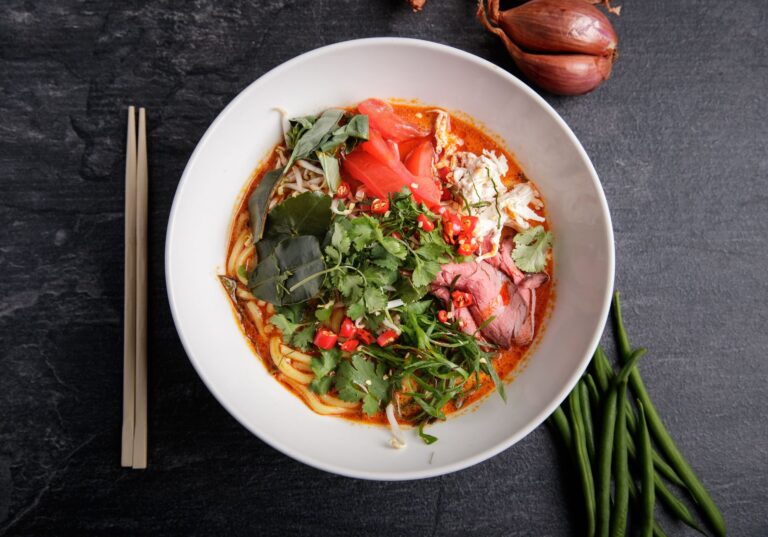
Khao soi isn’t just another noodle soup—it’s northern Thailand on a plate. This turmeric-stained coconut curry broth with wheat noodles (some crispy, some soft) comes topped with pickled mustard greens, shallots, and lime. Most Bangkok residents have never tasted the real deal. The magic happens when rich broth clings to noodles without drowning them, and that crispy-soft texture combo stays perfect to the last bite. In Chiang Mai, people eat it all day long.
Origins and History
The dish popped up in Chiang Mai around the late 1800s, though nobody agrees exactly how. Food nerds argue it likely came from Myanmar’s Shan State, where similar noodle dishes existed forever. When trade picked up along old Silk Road routes through Chiang Mai, the recipe crossed borders and became part of northern Thai culture.
Locals tweaked it using what they had: coconut milk from southern traders, turmeric from spice routes, wheat noodles from nearby mills. By the 1950s, khao soi was Chiang Mai’s signature dish—you can’t walk five feet without smelling it. Strangely, the rest of Thailand barely knew it existed until tourists started flocking to Chiang Mai in the 90s. Even now, good luck finding proper khao soi in Bangkok.
Regional Variations
Every northern Thai city puts its own spin on khao soi.
Chiang Mai does the classic: mildly sweet curry broth with coconut milk and turmeric. The broth walks that perfect line between thin soup and thick curry. Half the noodles get crispy (fried right before serving), the other half stay soft (cooked in the broth). Chicken’s the standard, though some places use beef.
Chiang Rai turns up the heat. Being closer to Myanmar, their version packs more chili punch in the paste. Some shops splash in fish sauce for extra saltiness. Beef shows up more often here than in Chiang Mai.
Pai gets creative. This artsy mountain town sometimes goes heavy on the turmeric (hello, yellow broth) or throws in wild cards like cinnamon. Not traditional, but interesting.
What Makes a Great Khao Soi
Not all khao soi is created equal. Here’s what separates the good from the legendary.
The broth needs fresh curry paste—dried chilis, shallots, garlic, turmeric, galangal, shrimp paste—fried until your whole kitchen smells amazing. Then it simmers with stock and coconut milk all day. The best versions have just enough spice to wake up your taste buds, not knock them out. Look for that thin layer of coconut oil floating on top.
The noodles have to nail both textures. Crispy ones should stay crunchy even after hitting the broth. Soft noodles need to hold their shape without turning to glue. Bad khao soi messes this up—you get either all mush or all crunch.
Toppings aren’t just decoration. Pickled greens cut through the richness. Fried shallots add crunch. Lime is mandatory. Some places add peanuts or cilantro, but those are bonuses—the soup should taste complete without them.
Meat matters. Chicken thighs that simmer in the broth for hours beat dry breast meat every time. Cheap versions use pre-cooked chicken tossed in at the last minute. Your teeth will know the difference.
Where to Try Khao Soi: City by City Guide
Chiang Mai is khao soi ground zero. Khao Soi Onnuch near Wat Chedi Luang has been doing it right since 1984—their coconut-heavy broth with fall-off-the-bone chicken tastes like it’s been cooking since dawn (because it has). Over in Nimmanhaemin, Somphet Khao Soi adds a sneaky hint of cinnamon that regulars swear by. For early birds, the street stalls around Chiang Mai Gate serve killer versions before most tourists wake up.
Chiang Rai plays second fiddle, but has gems. The Night Bazaar’s red umbrella stall (run by Khun Som since ’97) does a beefier, spicier take worth trying if you’re in town. Not worth a special trip, but nice if you’re already there.
Pai struggles with consistency—too many places dumb it down for tourists. Your best bet is Khao Soi Pai near the market, where they keep it real for locals.
Price Guide
Good news: khao soi won’t break the bank. Chiang Mai street stalls charge 40-60 THB (about $1.15-$1.75), while proper restaurants run 60-80 THB. Tourist spots in the Old City might hit 80-120 THB. Chiang Rai prices match Chiang Mai. Pai costs a bit more (60-100 THB) because, well, Pai. Drinks cost extra: water’s 10 THB, iced tea or coffee 15-20 THB.
Khao soi shows how Thai food keeps its regional roots strong—this dish belongs to the north, and it’s not giving that up anytime soon.