Tokyo
Tokyo Bangkok
 Seoul
Seoul Singapore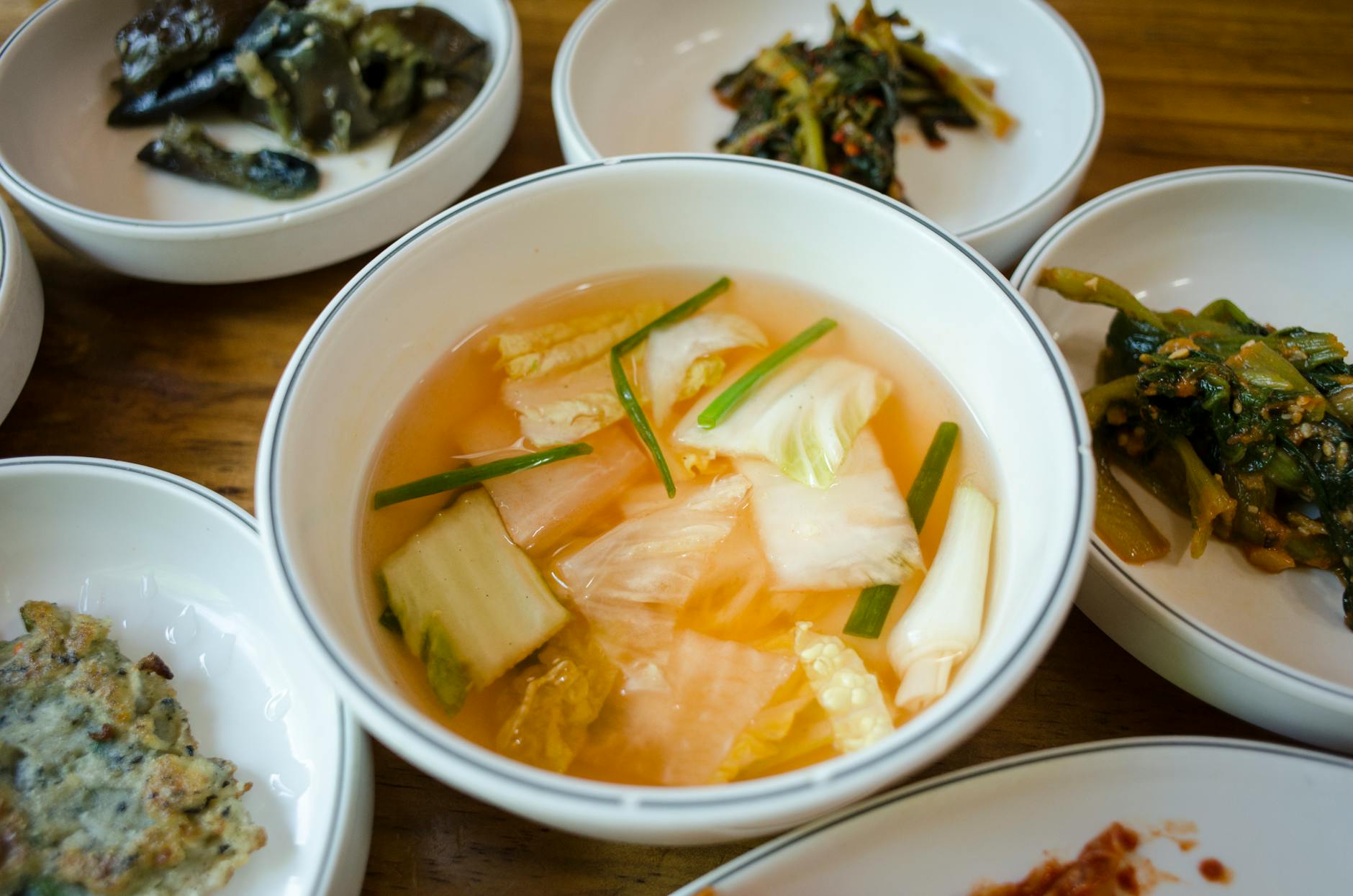
Sesame Oil Guide: Toasted vs Regular in Korean & Chinese Food
At a Seoul market just past dawn, an elderly vendor pours steaming broth over naengmyeon noodles. She pauses, grabs a small bottle of dark oil, and lets exactly one drop fall. The aroma hits you first—nutty, smoky, impossible to ignore. That tiny splash turns food into something deeper. It’s sesame oil, and the type changes everything.
Toasted Sesame Oil Is Not the Same as Regular—and That’s the Whole Point
Home cooks often grab whatever sesame oil they have, then wonder why their dishes taste flat. Here’s the thing: regular and toasted sesame oils aren’t interchangeable. They play completely different roles.
Regular sesame oil comes from raw seeds. Mild flavor, high smoke point (around 410°F)—perfect for frying or sautéing. Toasted sesame oil? Made from roasted seeds. Intensely nutty, lower smoke point (350°F). You wouldn’t cook with it any more than you’d cook with olive oil meant for drizzling. This one’s for finishing.
The good stuff smells like roasted sesame seeds cranked up to eleven. Dark brown color, almost syrupy. If it’s light yellow or smells faint, toss it. Korean and Japanese brands tend to be most consistent; Chinese versions can be hit-or-miss.
Where Toasted Oil Finishes Korean Food; Where Regular Oil Cooks Chinese Dishes
In Korean kitchens, toasted sesame oil makes its move at the end. A drizzle over bibimbap right before mixing. A brush on gyeran-mari eggs. Banchan sides often get just this oil and salt—no fancy dressings needed. It’s not background noise; it’s the star.
Chinese cooking plays both sides. Regular sesame oil might go in the wok for stir-fries, while toasted oil adds final punch. Mapo tofu gets a glug at plating. Cantonese cooks sometimes use both: regular for cooking, toasted for aroma. Most recipes don’t explain this, which leads to that sad, burnt-oil taste.
The Thing No One Tells You: Toasted Oil Oxidizes Fast, and That’s Why Restaurants Taste Better
Toasted sesame oil doesn’t age gracefully. Once opened, those complex flavors start fading fast. Your six-month-old bottle tastes nothing like the fresh oil restaurants use daily.
Buy small bottles. Keep them away from light and heat—fridge works too. Check dates if possible. Supermarket bottles baking under fluorescent lights? Hard pass. This isn’t pantry stock; it’s buy-as-you-need.
Here’s another secret: restaurants use way more than you’d guess. That tablespoon in your noodles isn’t overkill—it’s baseline. Home cooks often skimp, then wonder why their food lacks depth. Be generous.
Get a fresh bottle from Korea or Japan. Try it on plain rice with an egg and soy sauce. Suddenly, you’ll get why this oil outshines everything else in your kitchen.