Tokyo
Tokyo Bangkok
 Seoul
Seoul Singapore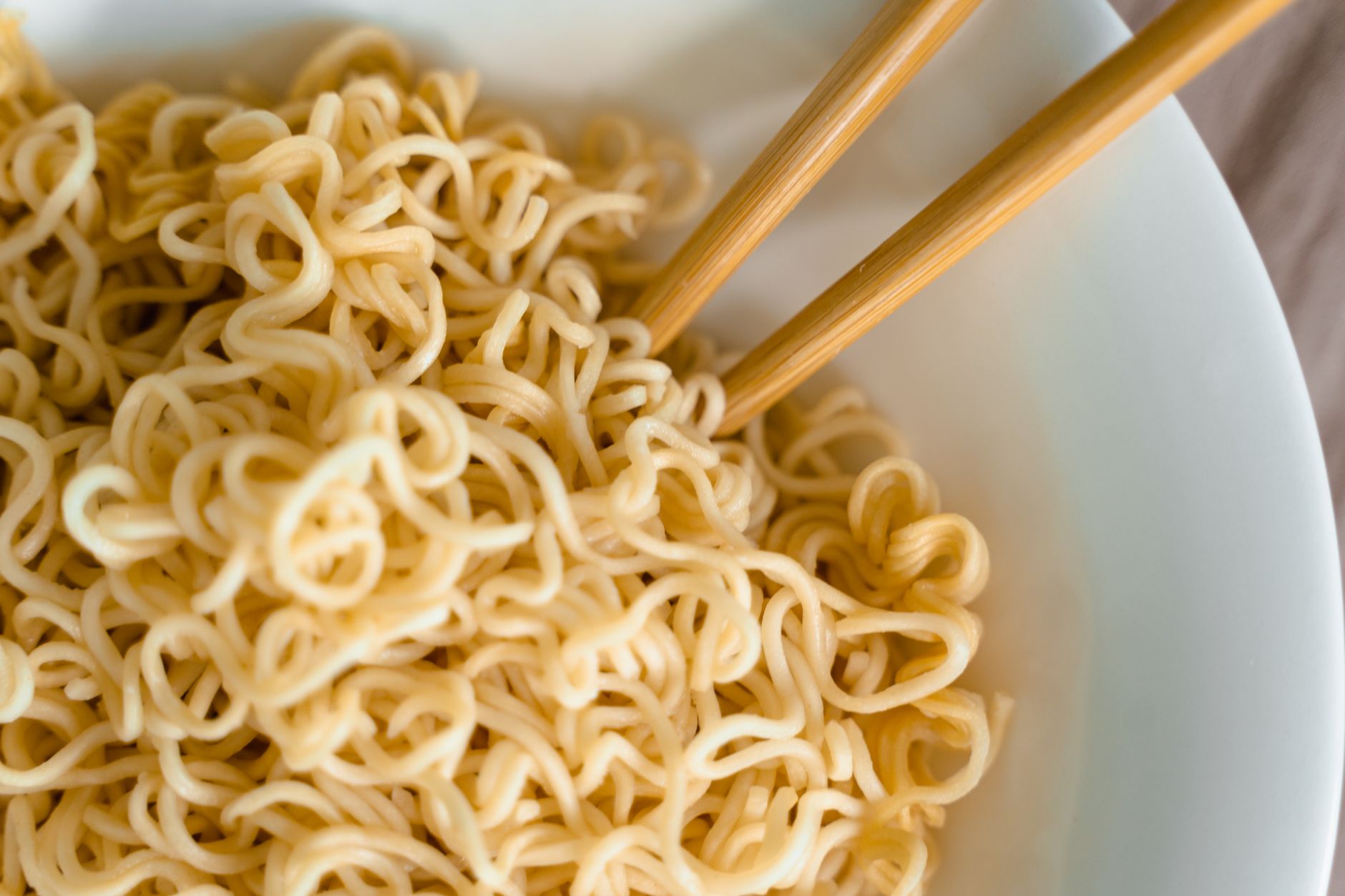
Boat Noodles: The Thai Dish That Shouldn’t Work But Does
At 6 a.m. on the Chao Phraya River, a vendor ties her wooden boat to a dock, fires up a two-burner stove, and starts dishing out bowls of broth before Bangkok wakes up. She’s done this daily for thirty years. By 8 a.m., she’ll be sold out. This is boat noodles—a dish shaped by necessity, refined through repetition, and essential if you want to understand real Thai eating.
A Dish Built on Efficiency, Not Accident
Boat noodles began on Bangkok’s canals when vendors cooked from actual boats, serving dock workers and commuters who needed breakfast fast. The rules were simple: one bowl, cooked quick, eaten standing. These constraints created something beautifully straightforward.
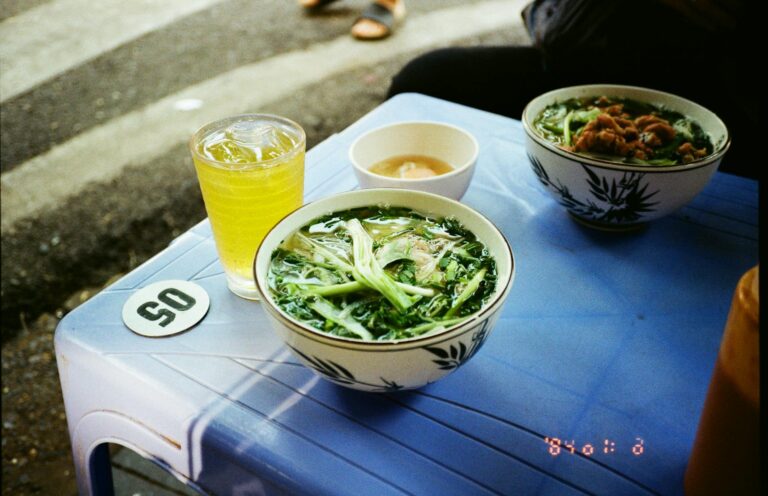
A proper bowl has thin rice or egg noodles, pork or beef broth (sometimes both), and protein—usually ground pork, offal, or meatballs. The broth can’t be faked. It should taste deeply of meat and garlic, with soy and fish sauce adding subtle sweetness. No weak versions allowed. The good stuff tastes like someone labored over it for hours. Because they did.
Toppings exist but don’t overwhelm: some cilantro, maybe crispy pork skin, a few chili slices. You customize it at the table with the standard condiments—extra chili, vinegar, sugar, fish sauce. This isn’t an oversight. It’s trusting you to know your own taste.
Where to Actually Eat Boat Noodles (And What to Order)
In Bangkok, some original floating vendors still work Khlong Saen Saep, though they’re disappearing. For guaranteed results, hit Victory Monument’s boat noodle alley—a tight street packed with stalls keeping the old speed and precision. Get the pork version (moo); ask for blood and offal if you’re adventurous. Your bowl arrives before you can check your phone.
Outside Thailand, boat noodles moved into restaurants, which changes the vibe but not the essentials. In London, Sydney, or US cities, look for places where the broth tastes fresh, not reheated. Peek at the kitchen. If someone’s tasting and adjusting the broth, stay put.
Why Boat Noodles Reveal How Thai Food Actually Works
Western food writing loves talking about Thai cuisine’s “balance”—that perfect mix of salty, sour, sweet, spicy. Boat noodles don’t play that game. They’re bold. The broth is unapologetically meaty. Condiments let you dial up heat or sweetness as you like. This isn’t missing the point. It is the point.
Thai food isn’t about pre-set harmony. It’s about handing you the tools to eat exactly how you want. Taste the noodles plain first. Then add chili. Then vinegar. Then sugar. Each bite shifts slightly. You’re not just eating—you’re collaborating.
That’s why boat noodles endure despite their simplicity. They don’t need fancy photos or explanations. Just good broth, fresh noodles, and someone who cares enough to make them right every morning. Everything you need to know about eating well fits in that bowl.
Find a boat noodle spot near you. Order a bowl. Tweak it yourself. Notice how the flavors change with each adjustment. This is how millions of Thais start their day. No secrets—just food that works.