Tokyo
Tokyo Bangkok
 Seoul
Seoul Singapore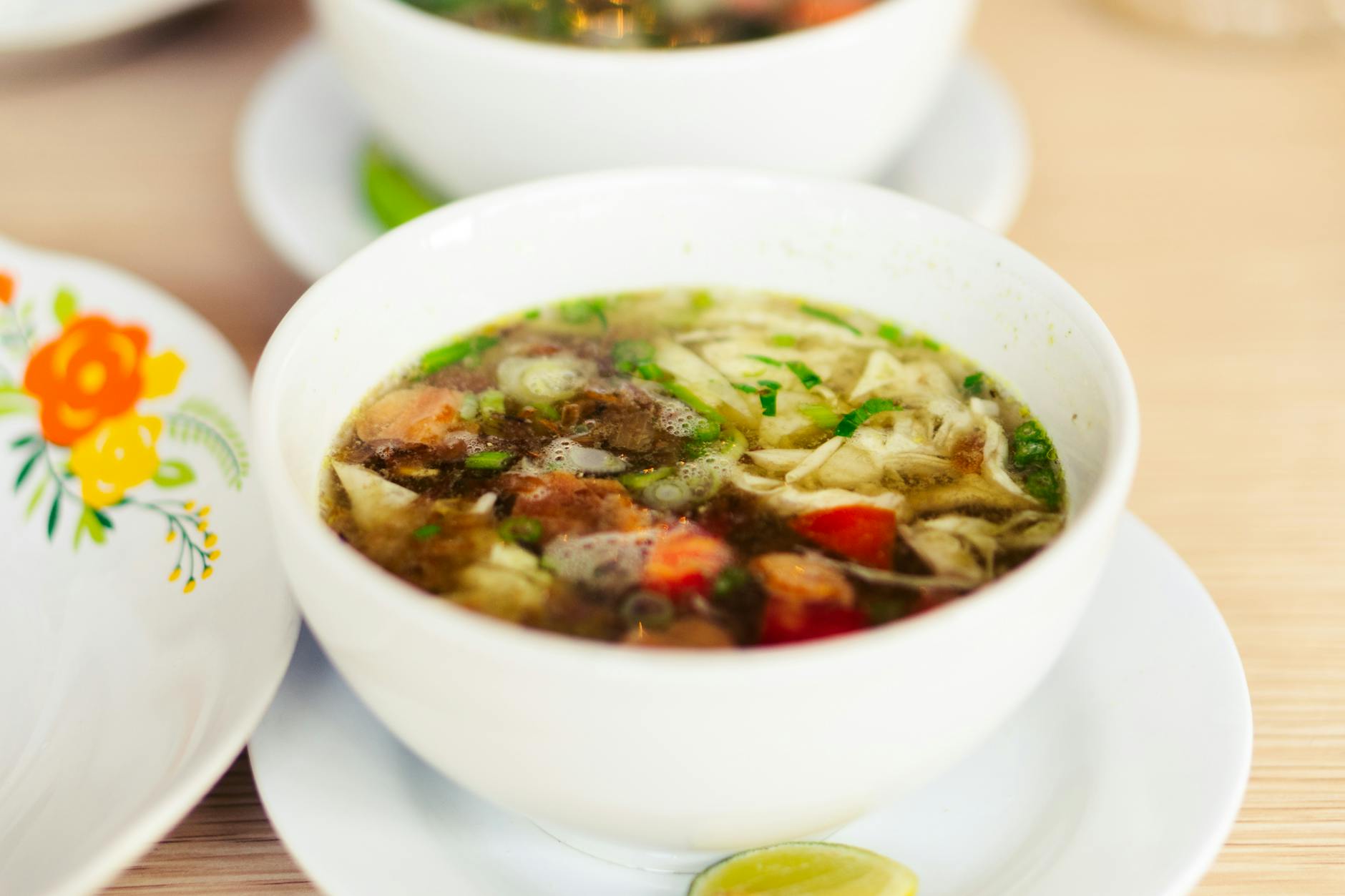
Bun Bo Hue: Vietnam’s Spicy Noodle Soup You’re Missing

Pho Gets All the Attention, But There’s a Better Option
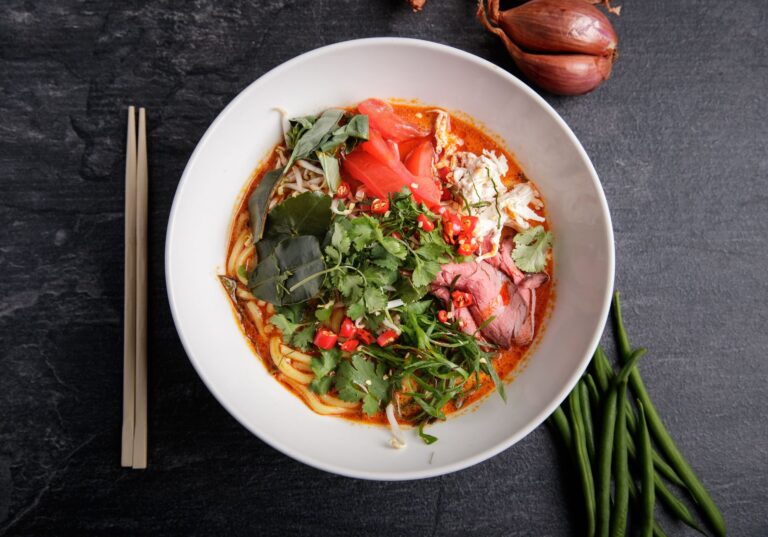
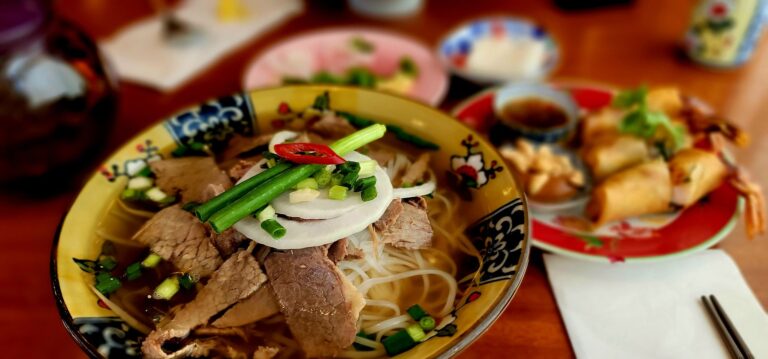
Walk into any Vietnamese restaurant abroad, and pho dominates the menu. Meanwhile, bun bo hue—the richer, spicier, more complex noodle soup from central Vietnam—gets overlooked. That’s a mistake. Born in Hue, Vietnam’s former imperial capital, this dish carries centuries of culinary ambition in every bowl.
First thing you’ll notice: the heat. Lemongrass, chile, and pungent shrimp paste create a broth that grabs your attention and doesn’t let go. The noodles have substance—thick, chewy, nothing like pho’s delicate strands. Then there’s the meat: beef knuckle, oxtail, pork knuckle, occasionally even pig’s blood cake, all simmered until they melt into the liquid. This isn’t subtle. It’s flavor turned up to eleven.
Bad versions taste like generic spicy soup with random toppings. The real deal takes half a day to make—slow-simmered bones, precise spice balance, textures that keep you engaged bite after bite. Most places outside Vietnam cut corners. Pho is easier.
Where to Find the Good Stuff (And How to Order It)
Head where the Vietnamese community goes. In Orange County’s Little Saigon, spots like Pho Y #1 serve legit bun bo hue. Get it with all the proteins—oxtail, beef knuckle, the works. Don’t shy away from pig’s blood cake if offered; it adds depth.
London’s Pho Co in Soho tones down the spice for local palates—ask for extra chile oil to fix that. Sydney’s Thanh Huong in Cabramatta nails the broth’s complexity.
Pro tip: those herb plates aren’t decoration. Thai basil, mint, lime—they’re essential for cutting through the richness. Use them.
Let’s Be Real: This Soup Isn’t for Everyone
Bun bo hue challenges you. The shrimp paste aroma is intense. The heat lingers. Pig’s blood cake freaks out newcomers. Most diners want approachable, photogenic Vietnamese food. This isn’t that.
Which is exactly why it’s worth trying. Restaurants don’t serve it to be trendy—they make it because their Vietnamese customers demand authenticity. When you find a good version, you’re eating something made for people who actually know the difference.
Bonus: it’s shockingly affordable. $8-12 gets you a bowl with more labor and care than most $20 restaurant dishes.
Your move: Find a no-frills Vietnamese spot that’s been around awhile. Call ahead to check if they have bun bo hue. Bring a friend who likes adventure. Take your time with it. You’ll see why Hue’s culinary pride has traveled so far.