Tokyo
Tokyo Bangkok
 Seoul
Seoul Singapore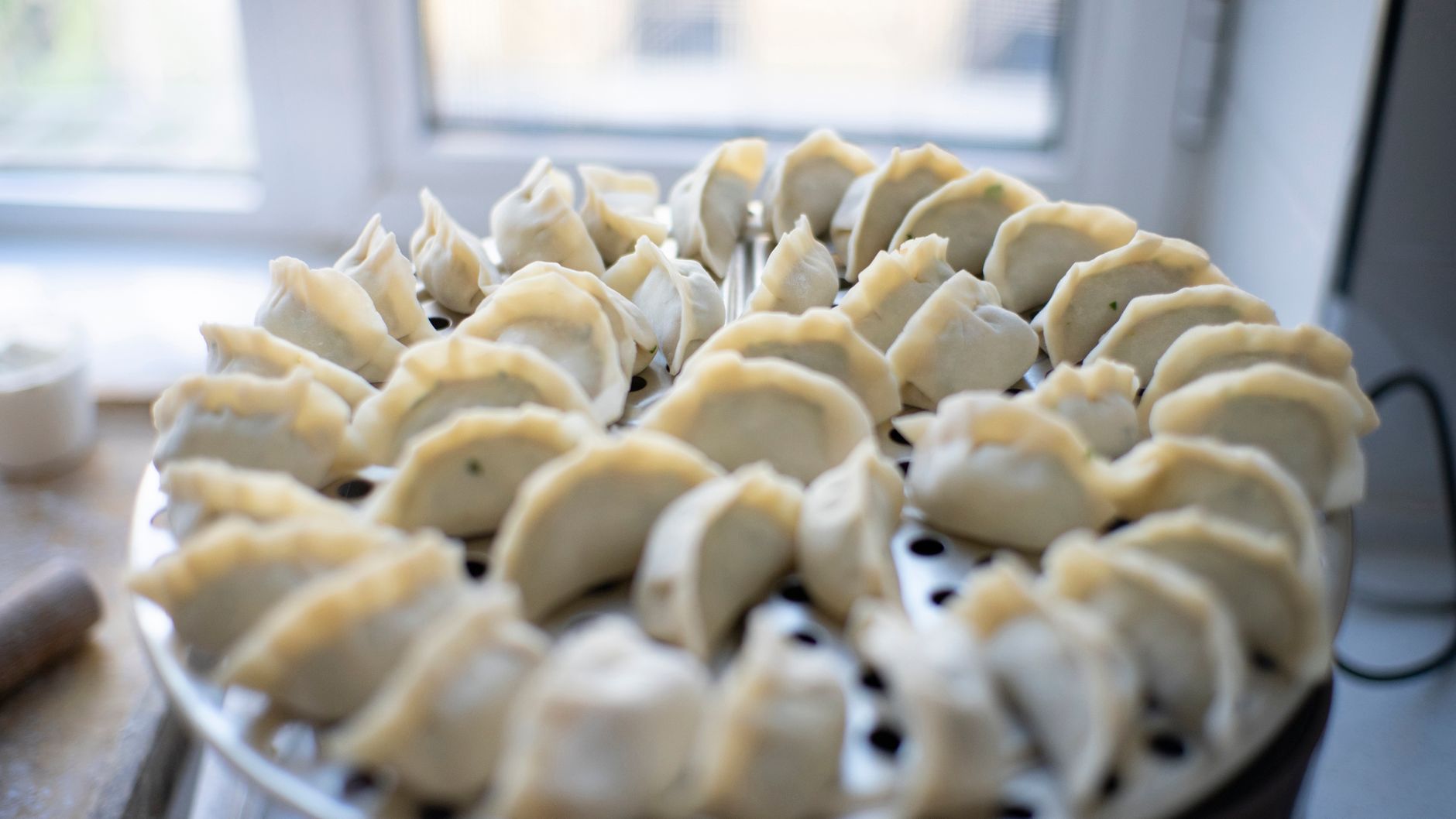
How to Eat Xiaolongbao: The Ultimate Soup Dumpling Guide

Shanghai goes crazy for xiaolongbao—those little soup dumplings that burst with hot broth when you bite in. But if you’re new to them, it’s easy to end up with a scalded tongue or stained clothes. Here’s how to eat them right.
Xiaolongbao, meaning “small bamboo basket buns,” started as a street snack in 1870s Shanghai. A smart vendor stuffed pork dumplings with meat aspic (gelatin from boiled bones) that turned to broth when steamed. The method hasn’t changed since, making these dumplings a marvel of food engineering.
What Makes a Great Soup Dumpling
Here’s the trick: there’s no liquid broth inside at first. The magic happens when chilled aspic melts during steaming. A good xiaolongbao has about equal parts meat and broth, with a wrapper thin enough to see through but sturdy enough to hold. High-end spots sometimes go heavier on the broth.
How to Eat Them Without Burning Yourself
Shanghai locals have this down to a science. Follow their lead:
Step 1: Grab the top. Use chopsticks to pinch the pleated crown—it’s the strongest part. Squeezing the sides is a recipe for disaster.
Step 2: Spoon first. Drop it on a Chinese soup spoon immediately. This catches the broth when you bite.
Step 3: Poke a hole. Nibble a tiny opening to let steam escape slowly. No rushing—hot broth waits for no one.
Step 4: Drink the broth. Sip it straight from the dumpling while it sits on the spoon. A dash of black vinegar and ginger makes it even better.
Step 5: Eat the rest. Now you can safely enjoy the wrapper and filling without emergency room visits.
Finding Good Xiaolongbao
Shanghai spots like Din Tai Fung set the standard, but you can find great versions wherever Chinese communities thrive. Look for places where you can watch the kitchen—each dumpling should take under 30 seconds to fold. The best have 18-24 pleats and arrive piping hot.
From London to Los Angeles, creative twists now exist with crab roe or truffle. But classic pork remains the ultimate test of skill.
More Than Just Food
In Shanghai, these dumplings are breakfast and lunch staples, often paired with jasmine tea. They show the city’s genius for packing big flavor into small packages.
The real experience happens in busy dim sum halls or neighborhood joints where the air smells of bamboo steamers. It’s about shared tables and generations of know-how.
Next time you see xiaolongbao on a menu, give it a try. With these tips, you’ll enjoy them properly—no burns, no mess, just pure dumpling joy.