Tokyo
Tokyo Bangkok
 Seoul
Seoul Singapore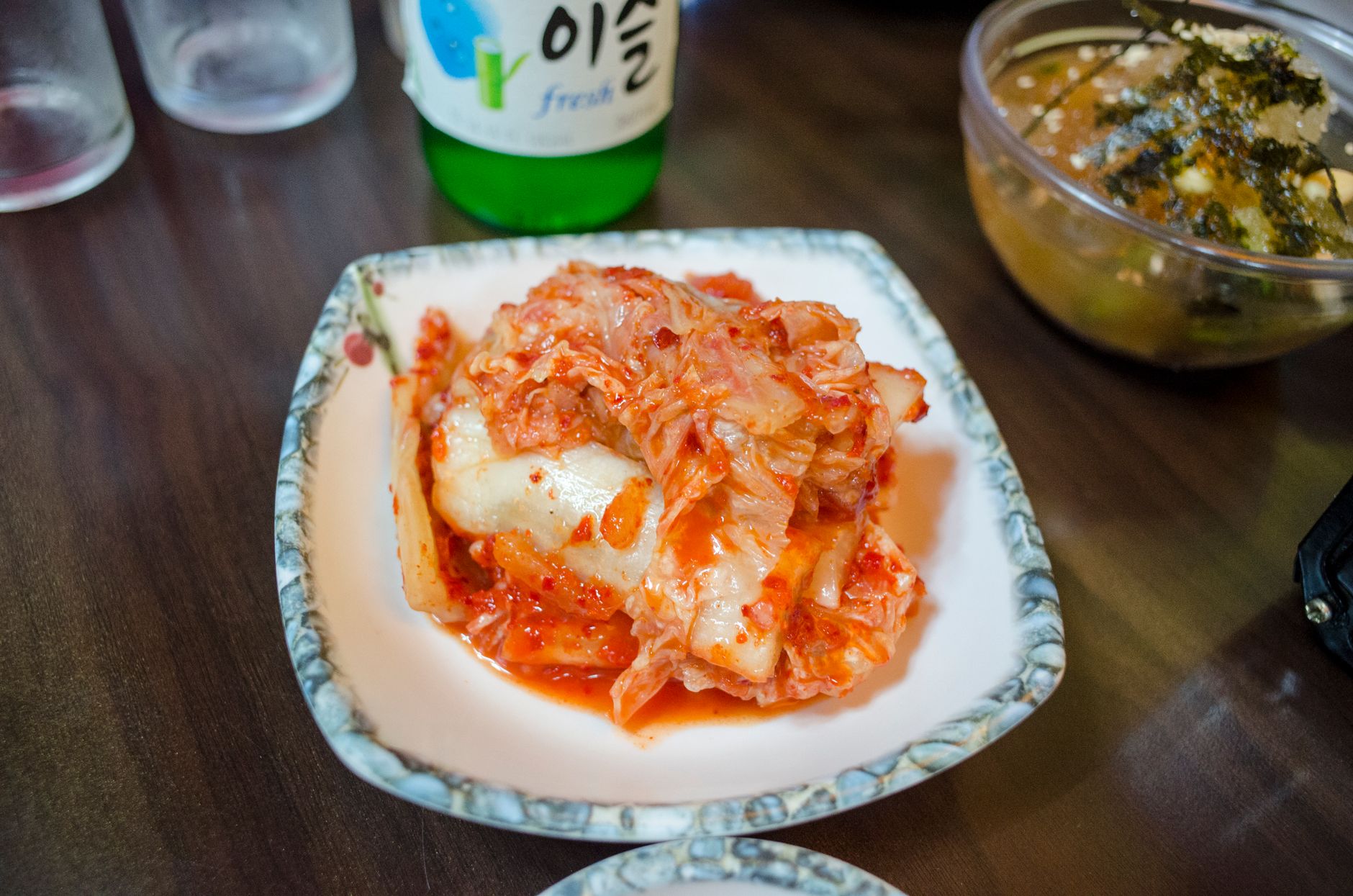
Kimchi Jjigae: The Korean Stew That Demands Respect
Kimchi jjigae isn’t just comfort food. It’s survival food that turned into something better. If your bowl tastes like sweet tomato soup with random kimchi chunks, you’re being robbed.
This is what Koreans cook when the fridge is almost empty and cash is low. Funky old kimchi—the older the better—plus pork belly or spam, tofu, and broth so simple it’s almost rude. Yet it’s one of the most satisfying meals out there. Why? Because Koreans didn’t make this to show off. They made it to live.
Kimchi Jjigae Is Funk Meeting Umami, and Bad Versions Taste Like Regret
Kimchi jjigae works because Korean cooks figured something out: old kimchi improves. Fermentation adds depth. The sharpness softens into something rich. Toss that aged kimchi with pork fat, tofu, and anchovy broth, and you get a stew that tastes slow-cooked in under half an hour.
A proper bowl needs these things: kimchi fermented at least two weeks (not the bright supermarket stuff), pork fat that coats your tongue, broth with ocean depth, and tofu that soaks up flavor without crumbling. The spice should creep up on you. Not punch you in the face. Good jjigae makes you keep eating even when you’re full.
Bad versions—and there are plenty—use fresh kimchi, watery broth, and skip the pork. They taste like desperation. You’ll find these in Gangnam tourist spots and Korean restaurants watering things down for foreigners. Steer clear.
Regional Variations Exist, But Seoul and Jeolla Province Own This Dish
Seoul’s take is classic: pork-heavy, no nonsense. It’s what you eat at street tents after midnight when you’re tipsy and starving. No frills needed.
Jeolla Province goes fancier—more seafood (dried squid, shrimp), extra veggies like perilla leaves. Hard to find outside Korea. Worth tracking down in Seoul’s Jongno-gu if you want the upgrade.
Busan’s version throws in fish and mackerel. It’s bolder. Like the city itself.
Where to eat it: In the US, Brooklyn’s Olmsted or LA’s Republique do it right. London’s Kpot in Soho nails it. Sydney’s Kimchi Princess at Darling Harbour delivers. But honestly? The best bowl costs five bucks at a Seoul street stall at 2 AM.
The Truth Nobody Tells You: Spam Is Not a Compromise, It’s Tradition
Some food writers act like spam in kimchi jjigae is embarrassing. Wrong. After the Korean War, American military leftovers became part of Korean cooking. Koreans made it their own. Now spam in jjigae is legit. The fat it renders? Magic. Adds something pork alone can’t.
Eat it guilt-free. With rice. With a fried egg if you’re home. Koreans do. They know.
Pro tip: Order jjigae and ask for extra broth. When you finish the solids, mix that broth with rice right in the bowl. Called jjigae-bap. Best part.
The One Thing You Should Actually Do
Stop reading. Eat jjigae made by someone’s grandma or at a tiny Korean joint with plastic chairs and a handwritten menu. Taste the broth. If it feels like it’s got history, you’re golden. If it tastes like tomato soup, walk out.