Tokyo
Tokyo Bangkok
 Seoul
Seoul Singapore
Seoul’s Best Korean Street Food: Where Locals Actually Eat
Seoul’s Street Food Scene: Where Every Bite Tells a Tale
Seoul isn’t just Korea’s capital—it’s where street food becomes an art form. Wander through Hongdae or Yeonnam and you’ll see the difference. These aren’t slapdash snacks. Generations have perfected these recipes, served from tiny shops with near-perfect ratings. The vendors? They take pride in every dish like it’s their life’s work. Because often, it is.
5 Can’t-Miss Street Food Spots
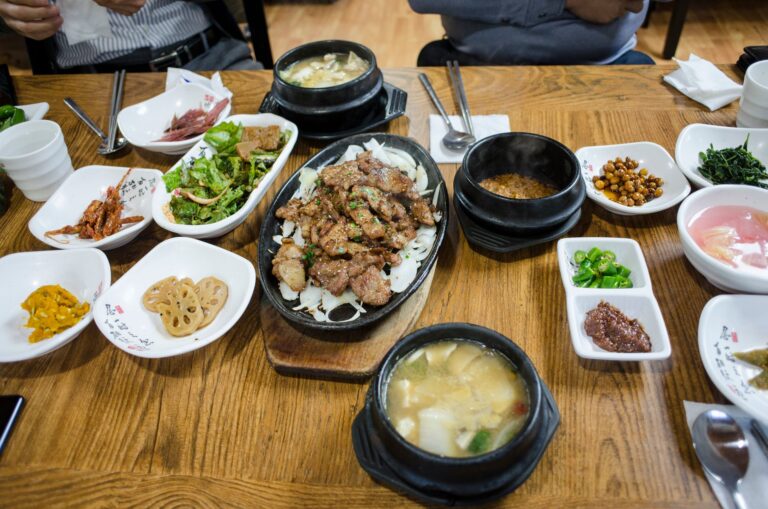
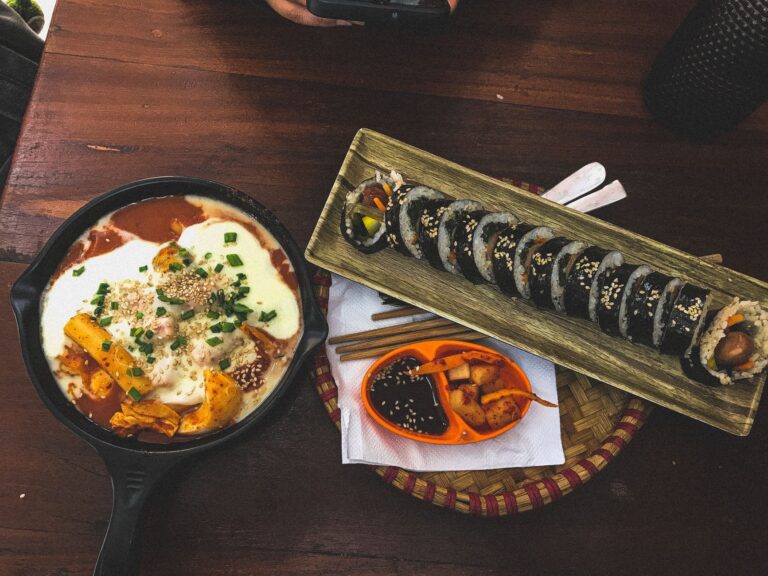
- 수수연남 SUSU Yeonnam (5⭐, 321 reviews) — At 22 Donggyo-ro 38an-gil in Mapo-gu, this place makes critics pause. Three hundred perfect ratings don’t lie. Their comfort food bridges street eats and home cooking. Trendy Yeonnam location, timeless flavors.
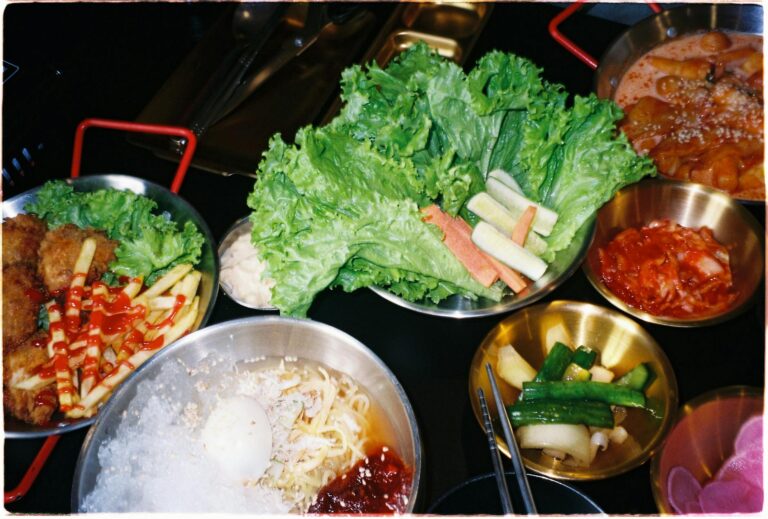
- 홍대 교도리 (5⭐, 278 reviews) — This Hongdae spot at 77 Wausan-ro nails the basics. Fried chicken so crisp it crackles. Tteokbokki with just the right kick. Two hundred seventy-eight people can’t be wrong.
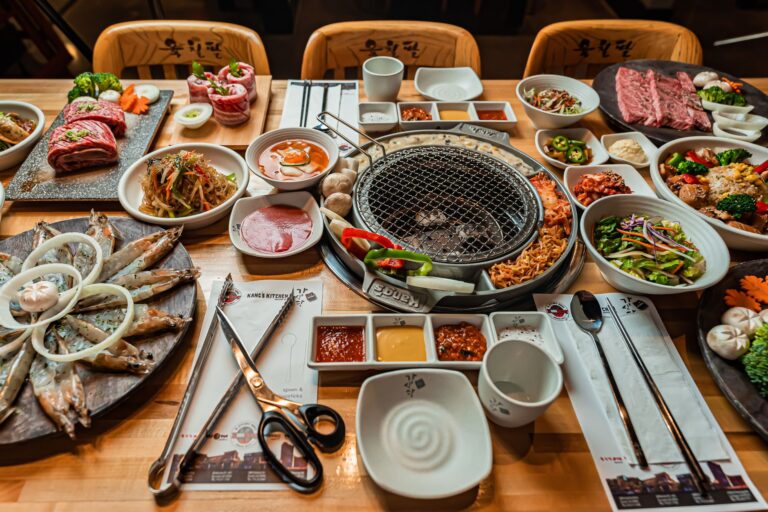
- 강남 돼지상회 무한리필 홍대점 (4.9⭐, 4,723 reviews) — Nearly 5,000 reviews for all-you-can-eat pork belly at 28 Hongik-ro. The numbers say it all: this Hongdae BBQ joint runs like clockwork. Meat sweats guaranteed.
- 역전할머니맥주오류점 (4.9⭐, 32 reviews) — Guro District’s best-kept secret. Frozen beers meet crispy snacks. Where salarymen unwind after hours. Fewer reviews, zero pretense.
- Hyunsunine (4.8⭐, 686 reviews) — At 10 Gukjegeumyung-ro in Yeouido-dong, this chain defies expectations. Six hundred eighty-six office workers can’t be wrong about their lunch break spot.
What Sets Seoul’s Street Food Apart
Forget flavor bombs or rare ingredients. Seoul’s magic lies in perfecting the basics. Vendors work miracles with rice, gochujang, and humble proteins. That tteokbokki sauce? Someone spent years getting the thickness just right. The spice balance? Calculated.
Location is key. Hongdae and Yeonnam thrive because young, hungry locals demand quality. Mediocrity dies fast here. Five shops might sell the same dish—only the best survive.
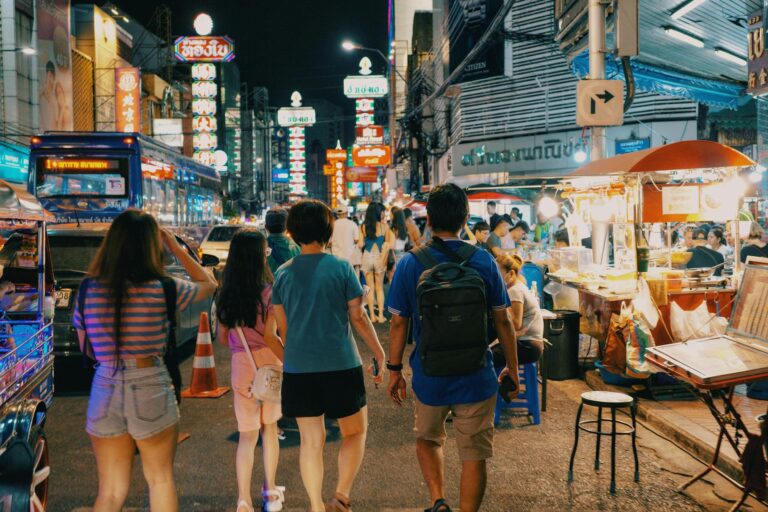
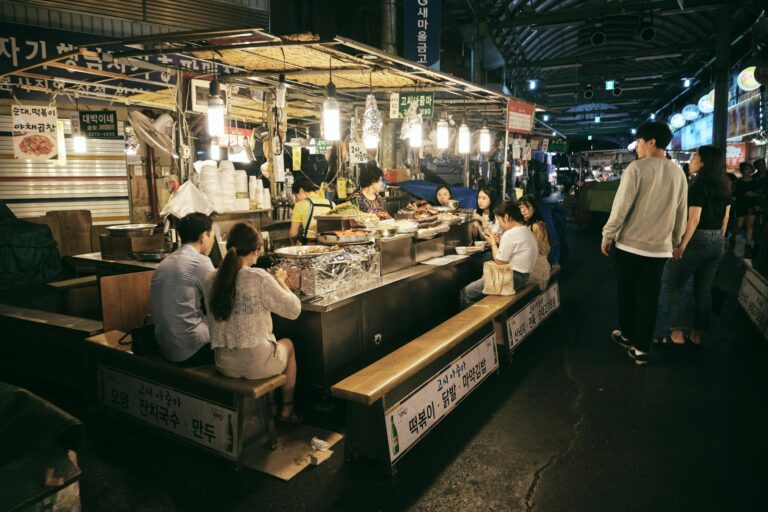
Unlike chaotic night markets elsewhere, Seoul’s street food has structure. Proper counters. Real seating. Organized chaos that somehow makes everything taste better.
Street Food Like a Local
Watch the clock. Hit 강남 돼지상회 at 5pm or risk the dinner rush. Late-night spots like 역전할머니 come alive after 9pm.
Bring cash. Cards work most places, but some old-school spots still prefer bills.
Order boldly. Point at pictures. Ask for less spice if needed. Vendors respect decisiveness.
Stand or sit? Standing’s traditional for quick bites. Sitting means you’re settling in—perfect for SUSU’s homestyle plates.
Pick your turf. Hongdae packs the most options into a few blocks. Yeonnam’s slightly fancier but just as real. Skip Myeong-dong’s tourist traps.
Why Seoul’s Street Food Matters
This isn’t food polished for Instagram. It’s where Seoul actually eats. Those sky-high ratings? Earned daily, one satisfied customer at a time.
Places like SUSU or 교도리 aren’t checklist items. They’re windows into how a city feeds itself when nobody’s watching. That’s where you taste the real Seoul.