Tokyo
Tokyo Bangkok
 Seoul
Seoul Singapore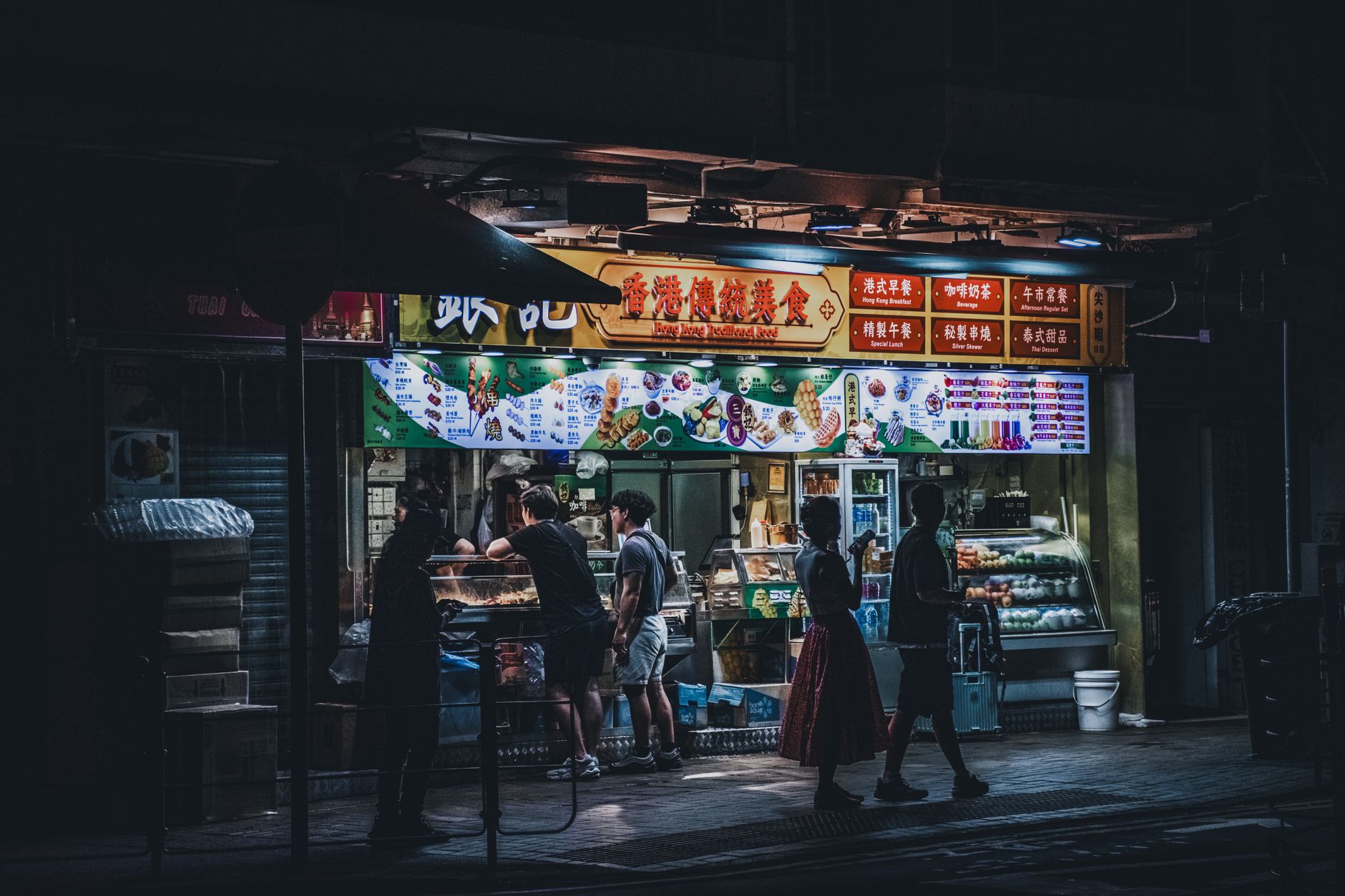
Skip These Hong Kong Food ‘Classics’ — Here’s Where to Actually Eat

Tourists keep making the same mistakes in Hong Kong—shelling out for soggy egg tarts near Star Ferry or waiting forever at overrated dim sum spots. After years of watching visitors fall for mediocre hype, here’s the truth: most “must-eat” places recommended online are either overpriced or past their prime.
The Hong Kong Tourist Food Traps
1. Nathan Road Dim Sum Palaces
These aren’t real dim sum joints—they’re tourist factories. You’ll drop HK$120-180 to sit under harsh lights while carts of lukewarm dumplings circle like sad parade floats. The har gow tastes like chewy plastic, the char siu bao is stale, and everything’s been reheated multiple times. Pro tip: if there’s a line of tourists snapping photos outside, locals stopped eating there years ago.
2. Overpriced Egg Tarts Near Star Ferry Terminal
Good Portuguese tarts exist. These aren’t them. The HK$15 versions near the ferry are made from frozen bases, baked in bulk, and served by staff who couldn’t care less about quality. You’re paying triple for half the flavor just because you’re close to a landmark.
3. Hotel Dim Sum Buffets Claiming “Authenticity”
Any hotel promising “authentic Cantonese dim sum” is stretching the truth. You’re getting frozen dumplings warmed up and plated fancy for HK$400+. Meanwhile, local spots serve better versions fresh for HK$40. The only authentic part? The regret when the bill comes.
4. Tourist-Trap Seafood Restaurants in Causeway Bay
Neon signs? Pushy doormen? Picture menus? You’re about to get scammed. That HK$200 crab dish magically becomes HK$800 once they “upgrade” your order. The seafood might be fresh, but the prices belong at a luxury resort.
What the Locals Actually Eat
Tim Ho Wan (Original Location, Mong Kok)
The Michelin-starred original still delivers. Show up by 7 a.m. and you’ll find locals crammed into tiny tables, not tourists. Har gow with perfect snap, char siu bao oozing flavor—all for HK$60-80. Address: G/F, 9-11 Kui In Street, Mong Kok. Come early, eat fast.
Sham Shui Po Yum Cha (Family Dim Sum Spots)
Weekend dim sum with grandmas beats tourist spots any day. Kam Ho or Lin Heung Tea House charge HK$3-6 per basket, make everything fresh, and keep carts moving. Zero English menus, zero patience for clueless tourists—just great food.
Dai Pai Dong (Central Market & Nearby Streets)
Hong Kong’s real lunch scene. Wellington Street’s open-air stalls serve claypot rice, noodles, stir-fries for HK$30-50. You’ll elbow bankers and laborers at communal tables while eating food that puts fancy restaurants to shame.
Yaumatei Wholesaler Markets at 5 a.m.
Dawn in Yaumatei means workers slurping typhoon shelter crab noodles (HK$35-50) at tiny dai pai dong. Better than anything on Google Maps. Loud, messy, perfect.
The Reddit Consensus on Hong Kong Food (What Repeat Visitors Say)
Seasoned visitors agree: skip long lines, avoid TikTok-famous spots, eat breakfast like locals. The hard lesson? Hong Kong’s best meals are cheap, and tourist marketing usually means worse food. Pro tip: dim sum at breakfast beats lunch—fresher, cheaper, fewer crowds.
Your Hong Kong Food Game Plan
1. Eat Dim Sum Before 10 a.m., Never at Lunch
Breakfast means fresh baskets and locals. Lunch means tired leftovers and tour groups.
2. Skip Anything With a Line Visible From 50 Meters Away
Good Hong Kong food doesn’t need Disneyland queues.
3. Eat in Sham Shui Po, Not Central
Same quality, quarter the price. Save your splurges for elsewhere.
4. Order Things You Can’t Read
No English menu? That’s where the good stuff hides. Point, nod, enjoy.
5. Eat Street Food Without Guilt
HK$20-60 gets you legendary meals on paper plates from grizzled pros.
The One Tourist Thing Actually Worth Your Time
Lin Heung Tea House at 6 a.m. lives up to the hype. Yes, it’s famous. Yes, there’s a queue. But the har gow is flawless, the chaos is real, and showing up early makes you feel like part of the city.
Stop chasing Instagram food and eat like you live here. Hong Kong’s best meals happen at dawn in Sham Shui Po, served gruffly by cooks who care more about your noodles than your compliments. That’s where you want to be.