Tokyo
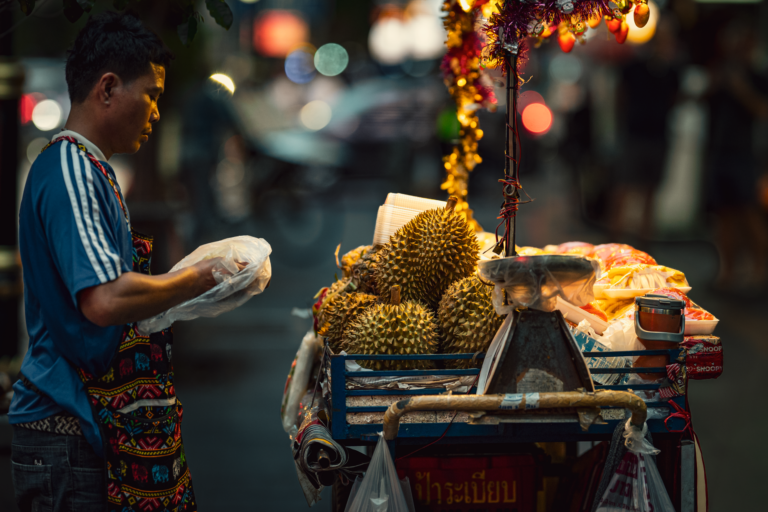
Tokyo Bangkok
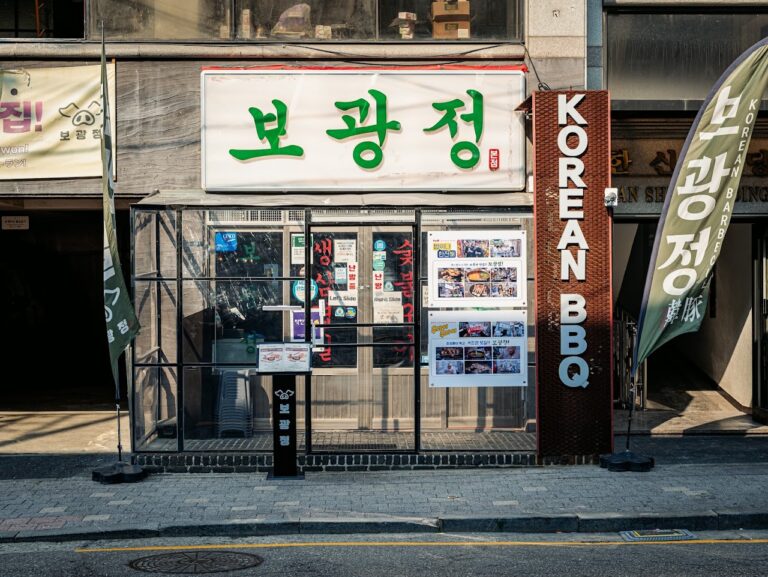
 Seoul
Seoul Singapore
Cendol: Malaysia’s Street Food Essential Beyond the Tourist Trail
On sticky afternoons in Kuala Lumpur, Penang, or Johor Bahru, cendol stalls draw crowds—not for Instagram, but because this stuff actually works when you’re sweating through your shirt. It’s not fancy. Just a quick fix between bus rides, the thing your aunt whips up when cousins drop by, the reliable treat from that guy who’s parked his cart by the pharmacy since you were a kid. Cendol doesn’t put on airs. It exists to do one job well.
Why Cendol Fits Malaysian Life
This dish was born from necessity. When humidity hits 90% and shade doesn’t help, you need food that cools you down while filling you up. Pandan jelly cuts through the heat. Coconut milk sticks to your ribs. Palm sugar gives a quick boost. Every part has a purpose beyond flavor. No lab-made colors here—just plants, milk, and sugar working together so you can function in 35-degree heat.
Its origins mix Javanese and Malay traditions, but Malaysians made it their own through trial and error. Penang versions go heavy on coconut cream. Johor adds ginger to the syrup. These tweaks weren’t for tourists—they came from generations of street vendors adjusting to local tastes and what grew nearby.
Where to Get the Real Deal
Skip the fancy cafes. Proper cendol lives at lunch rush hawker stalls, night market carts, and those corner spots where the same family has poured syrup for 30 years. Georgetown’s Lebuh Chulia has veterans who’ve served through four prime ministers. KL’s Jalan Alor spots sell out by dusk. Melaka’s Jonker Street stalls? They survive on regulars, not sightseers.
Here’s how to spot quality: if there’s a line at 2:30pm on a Wednesday, that’s your stall. Watch how they build each bowl—fresh jelly, syrup measured just right, coconut milk that didn’t come from yesterday’s batch. The good places treat bowl #200 with the same care as #1. Ask a taxi driver or convenience store clerk where they go. Their answer beats any food blog.
What Defines Malaysian Cendol
It’s all about balance. Pandan jelly should taste like actual pandan—earthy, lightly sweet, naturally green. Palm sugar syrup needs depth, preferably from slow-melted gula melaka with maybe a ginger kick. Coconut milk must be rich but not gloppy. Get it wrong and you end up with sugar soup or bland slush.
The Malaysian touch? No frills. No fancy plating. Just a foam cup or chipped bowl, eaten fast before the ice melts. Costs less than parking. Made by someone who remembers your usual order. That’s the heart of it—food made right, day after day, for people who actually live here.
Want to try it? Don’t ask for “the best.” Ask where the mechanic down the street gets his afternoon fix. Go when office workers take their breaks. Sip slowly. You’ll get why this matters—not as a novelty, but as something ordinary that became extraordinary through sheer usefulness.