Tokyo
Tokyo Bangkok
 Seoul
Seoul Singapore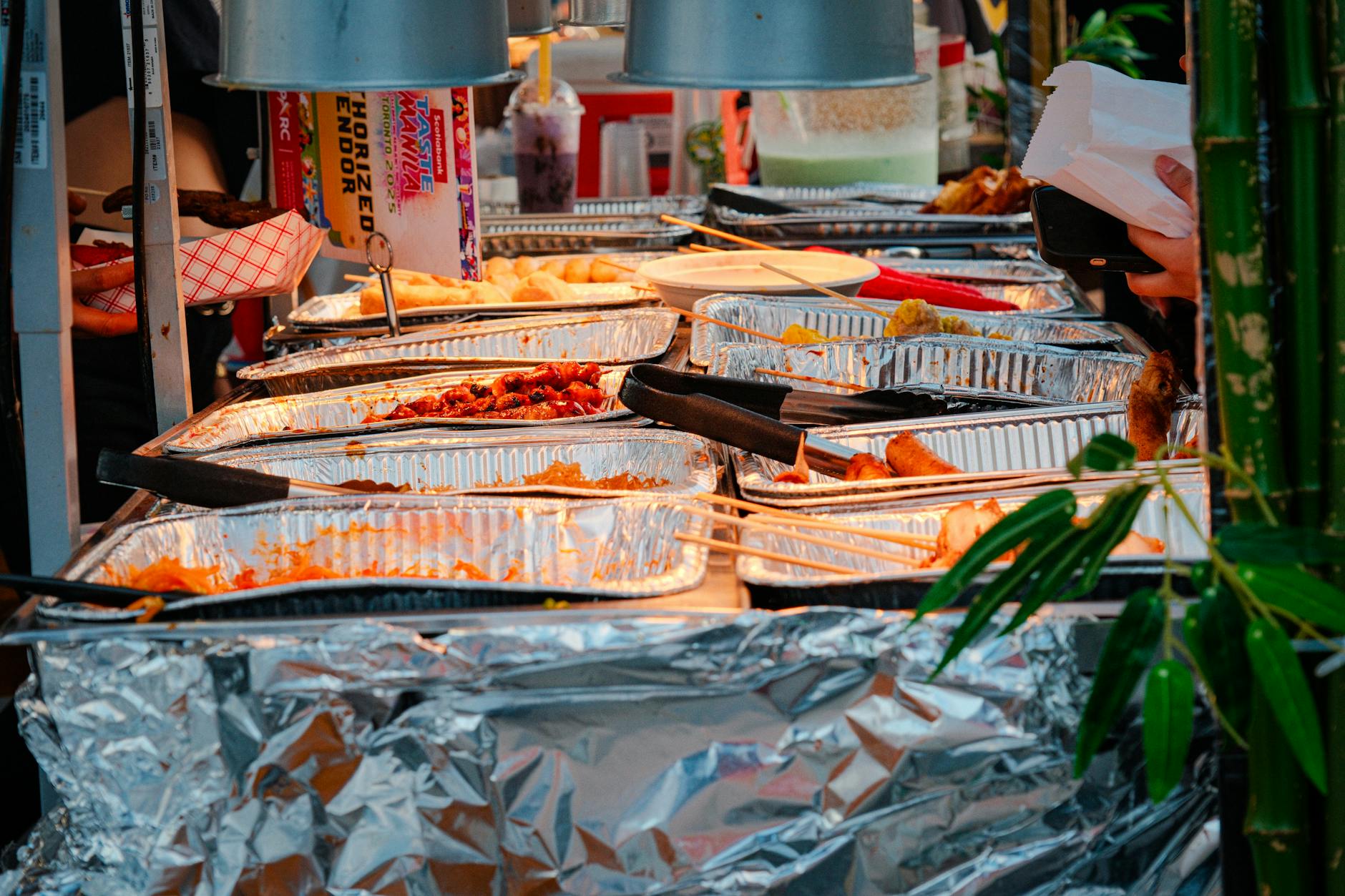
What Reddit Travelers Really Say About Food in Asia
Why Reddit Travelers Are Your Most Honest Food Source
Reddit travel communities are the internet’s rawest food guides. No filters, no sponsorships—just people typing at 2 AM about that sketchy street vendor who served the best dumplings of their life. Or got scammed. With posts hitting 20,000+ upvotes and hundreds of real traveler comments, you get truths no guidebook would print.
We dug through 46 Reddit threads from r/travel, r/JapanTravel, and r/koreatravel. The verdict? Asia’s food scene splits hard between mind-blowing local eats and tourist traps designed to drain your wallet.
What Travelers Actually Loved Eating
China blew first-timers away. One 21,726-upvote post from Beijing and Shanghai kept circling back to food—not as an afterthought, but as the key to understanding “such a rich civilization.” Commenters geeked out over regional dishes and night markets. When travelers find the real deal, they can’t stop talking about it.
Japan and Korea threads followed the same script: exact restaurant names, price breakdowns, whether reservations actually worked. A sushi debate (11,931 upvotes, 691 comments) got heated over portion sizes and value. Turns out travelers care deeply about getting what they pay for.
Noticeably absent? Hype for Instagram-bait spots. The love went to places packed with locals.
The Scam Pattern: Where Food Tourism Goes Wrong
Massive threads on Egypt (24,411 upvotes) and Tunisia (22,669 upvotes) exposed food scams. Though focused on North Africa, the tricks—fake fees, aggressive upselling, drivers taking you to commission joints—pop up across Asia too.
That Tunisia post detailed paying for experiences you never get. Sound familiar? Southeast Asia and parts of China pull the same moves, according to seasoned commenters.
Red flags travelers spotted:
- No menus or prices in sight
- “Special tourist pricing” (read: inflated)
- Overeager recommendations from hotel staff (they’re getting a cut)
- “Lost” reservations when you show up
- Waiters pushing expensive dishes
Practical Advice From Travelers Who’ve Learned It the Hard Way
A 15,175-upvote Oaxaca thread dropped this gem: “Watch the water situation.” Not glamorous, but crucial. Asia threads echoed this—food safety isn’t about drama, it’s knowing which vendors have fresh turnover or which areas have clean water.
Repeated advice from veterans:
- Shadow locals to lunch spots at noon
- Learn “how much?” and “thank you” in the local language
- Ditch restaurants by attractions—walk a few blocks
- Ask hotel staff “where do YOU eat?”
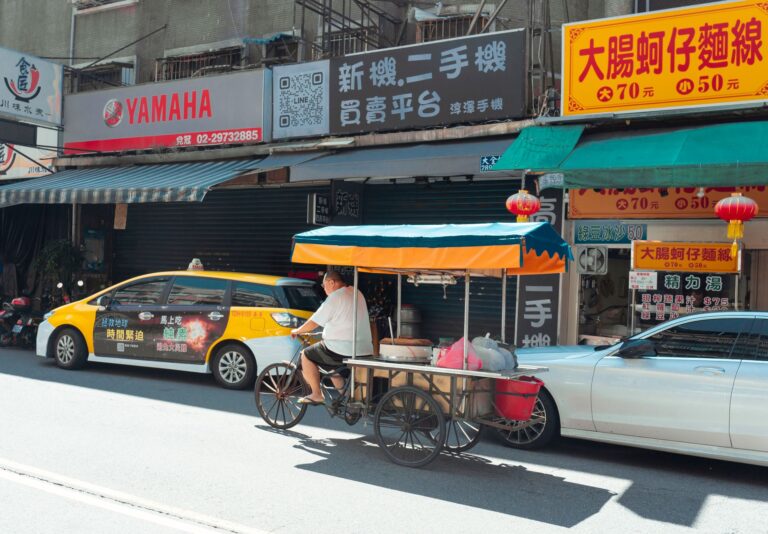
- Street food often beats restaurants—you can see it being made
- Photograph menus before ordering
- Try new foods with others—safety in numbers, shared memories
The Real Asia Food Experience Versus the Guidebook Version
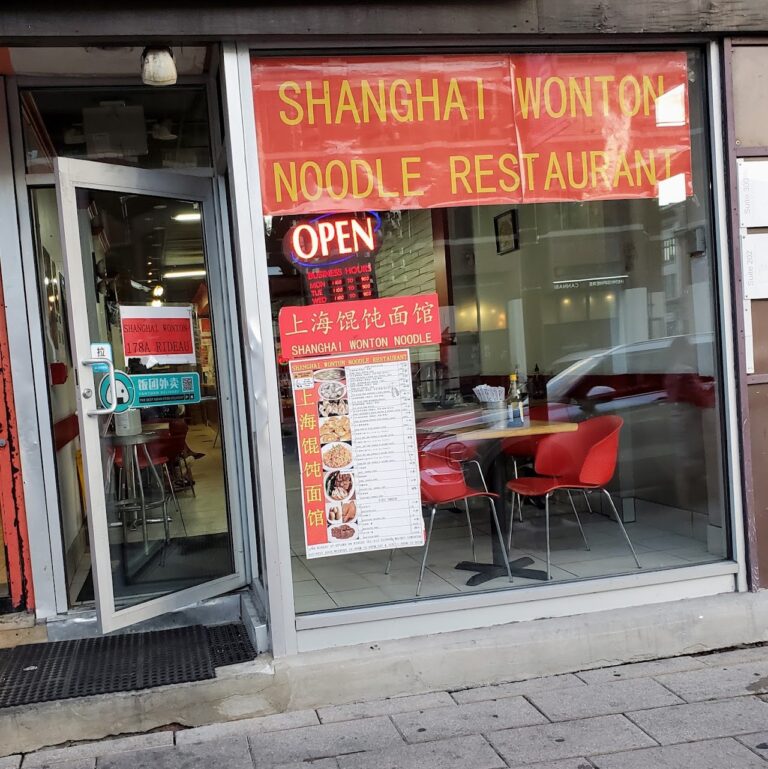
Guidebooks sell Asian food as exotic theater. Redditors describe it differently: the best meals aren’t performances, but daily life. The top threads weren’t about fancy places—they were about stumbling into some noodle joint, becoming a regular, and swapping stories with the owner.
Those 46 posts show a pattern. Travelers regret pricey “curated” meals and cherish the accidental finds. They remember exact costs, specific flavors, and whether they felt welcomed or ripped off. They come back to Reddit to warn others because they’ve been there.
Here’s the truth: Asia’s food shines because it’s real. The issue isn’t the cuisine—it’s the tourist traps hiding the good stuff. The happiest eaters weren’t checking off lists. They got lost, followed the crowd, and ate what the locals ate.
That’s the story Reddit tells.