|

Curry Laksa: Malaysia’s Street Food Icon Explained

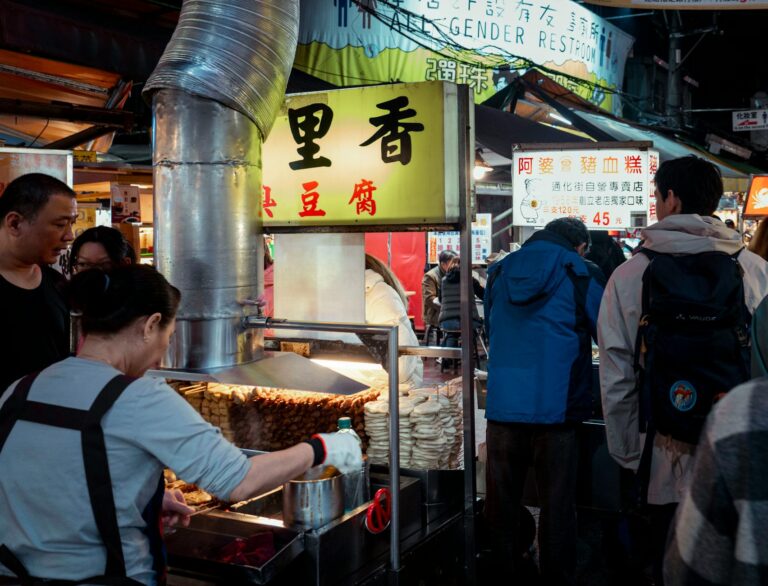
The first time I smelled curry laksa wafting through Penang’s Georgetown market at 6 AM, I knew I’d found something special. Vendors were already ladling thick, golden-orange broth into bowls while the smell of galangal, turmeric, and toasted spices cut through the humid morning air. A woman next to me was slurping so loudly that her noodles practically flew into her mouthโ€”and she didn’t care who was watching. That’s when I understood: curry laksa isn’t just food here. It’s how Malaysians start their day.

Where Curry Laksa Came From (And Why It Matters)

Curry laksa emerged from Malaysia’s multicultural crossroads, specifically in Penang and the Perak region, where Chinese, Malay, and Indian communities have lived alongside each other for centuries. The word “laksa” itself has debated originsโ€”some trace it to the Hokkien word for “spicy sandy” or to Sanskrit roots meaning “noodle.” What’s undeniable is that this dish represents a genuine fusion, not a forced one. Chinese egg noodles or rice noodles swim in a coconut-based curry broth that’s distinctly Malay-influenced, topped with Indian-style hard-boiled eggs and bean sprouts. The result feels inevitable, like these cultures were always meant to cook together. In Penang, locals will tell you their version is the authentic oneโ€”and they’re probably right, though Ipoh’s curry laksa has its own fiercer, less coconut-heavy identity. Both are legitimate. Both are worth eating.

The Stalls That Actually Matter

Skip the tourist-trap restaurants and head to Penang’s Lebuh Chulia at dawn. You’ll find Laksa Penang Lebuh Chulia, a stall run by the same family for three generations, where the broth simmers in massive pots and they make fresh noodles daily. The curry paste here is ground from scratch using a stone mortarโ€”turmeric root, dried chilies, shallots, garlic, galangal, and belacan (fermented shrimp paste) that smells like low tide but tastes like umami gold. In Ipoh, Laksa Kway Teow Ah Pui near the Ipoh Old Town has been operating since 1960, and their broth is noticeably spicier and less creamy, built on a foundation of dried chilies rather than coconut. The noodles here are thicker, chewier. Both stalls serve their laksa for under 5 ringgit (about $1 USD). You’ll eat standing up. You’ll burn your mouth. You’ll come back tomorrow.

What Actually Makes It Malaysian

The magic of curry laksa lies in its specificityโ€”it’s not trying to be Thai, Indian, or Chinese. It’s aggressively Malaysian. The coconut milk is essential but never overwhelming; it’s there to temper the heat and bind the spices, not to make the dish creamy like a curry. The broth should coat your mouth with a gentle warmth that builds as you eat. Toppings are non-negotiable: hard-boiled eggs (sometimes quail eggs), bean sprouts, cucumber slices, fried shallots, and a squeeze of lime. Some stalls add cockles or prawns. The noodles themselves are often a mixโ€”egg noodles for chewiness, rice noodles for delicacy. What separates good curry laksa from forgettable versions is restraint in the coconut and precision in the spice balance. Too much cream and it becomes a soup you’re drowning in. Too little and it’s just spicy water. The best bowls taste like someone spent hours getting the ratio exactly rightโ€”because they did.

If you’re planning a trip to Malaysia, arrive hungry and early. Curry laksa is a breakfast and lunch affairโ€”most stalls close by 3 PM. Bring cash, wear clothes you don’t mind staining, and don’t expect napkins. Your hands will get messy. Your face will sweat. That’s the whole point.

Maya Chen
About the Author
Maya Chen

Maya Chen is WokFeed's founding editor and lead food journalist. She has spent 8 years eating her way through 40+ Asian cities, from hawker centres in Singapore to izakayas in Osaka. Her work focuses on street food culture, culinary history, and making Asian food accessible to international readers.

๐Ÿ“Š Data Sources & Editorial Standards
๐Ÿ“ Google Maps

WokFeed's restaurant guides are compiled from real traveler data, on-the-ground research, and cross-verified across multiple platforms. Our editorial team fact-checks all recommendations before publication.

Similar Posts