Tokyo
Tokyo Bangkok
 Seoul
Seoul Singapore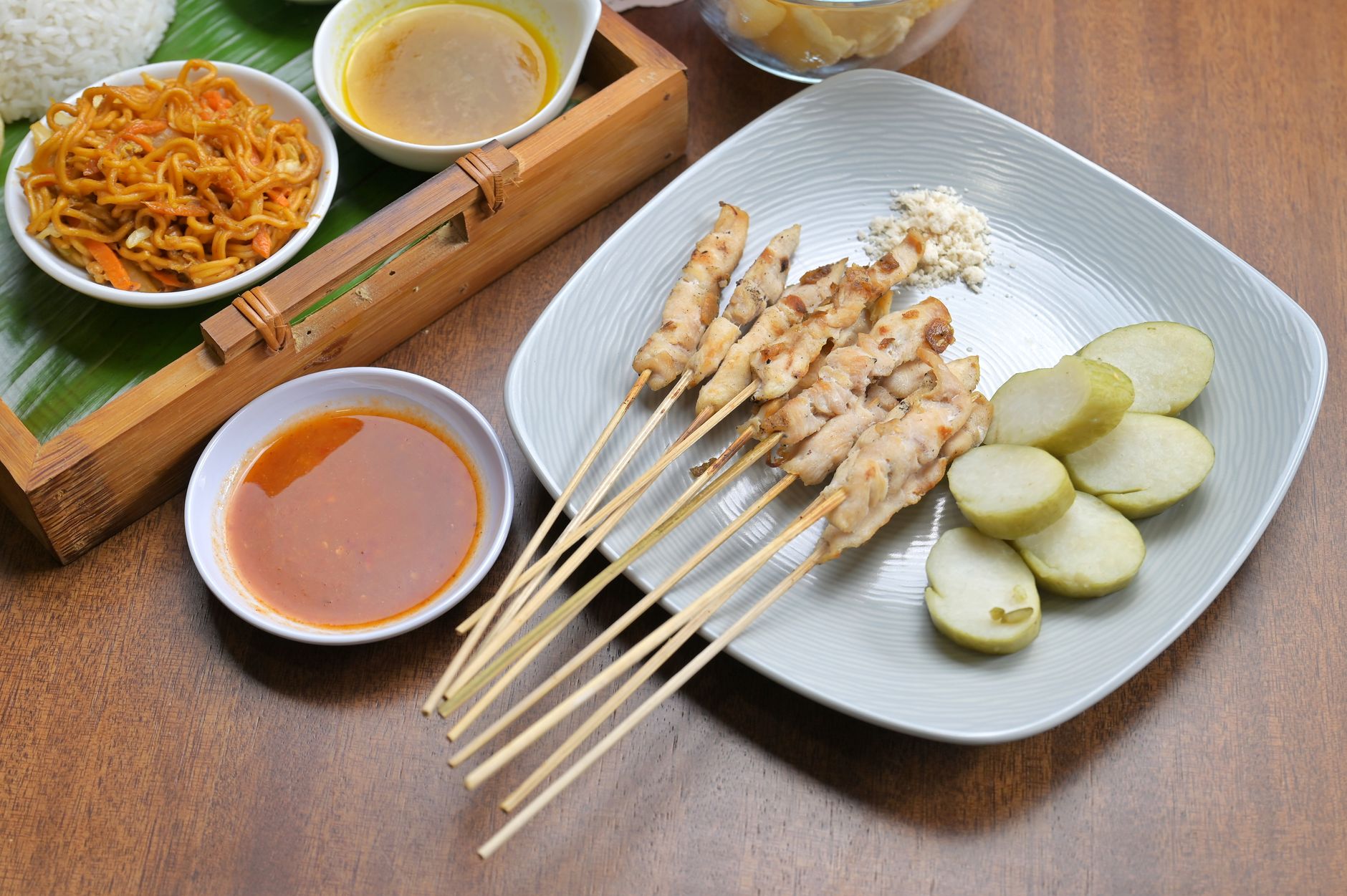
Best Satay in Southeast Asia: Malaysia vs Indonesia vs Thailand
Across Southeast Asia, charcoal grills crackle to life every evening. Generations have perfected the art of satay—those smoky, juicy skewers that spark fierce debates. In Kuala Lumpur’s night markets, Jakarta’s warungs, or Bangkok’s street corners, locals and travelers queue up for this street food royalty.
Here’s the twist: satay isn’t just one dish. It’s a culinary chameleon, changing flavors and techniques across three powerhouse regions.
The Meat, The Marinade, The Magic: What Makes Satay
First, the basics. What turns grilled meat into satay? A marinade with three essentials: coconut milk, spice paste, and patience. Coconut milk tenderizes, while turmeric, garlic, and chilies build depth.
Malaysian satay leans on beef or chicken, marinated 4-24 hours with earthy turmeric. Indonesian versions—especially from Madura—go bold with goat or chicken and aggressive spices. Thai satay? Curry powder and fish sauce add umami. Even peanut sauces differ: Malaysia’s is creamy, Indonesia’s packs heat, Thailand’s balances sweet and sour.
Malaysia’s Premium Approach: Satay Kajang and Urban Refinement
Kajang, just south of Kuala Lumpur, is Malaysia’s satay heartland. UNESCO noticed. Vendors treat recipes like heirlooms—peanut sauce secrets passed through families.
Malaysian satay is precise. Uniform meat chunks, spaced just right on bamboo. The peanut sauce? Silky from toasted nuts and coconut milk. At Petaling Jaya stalls or Kajang Night Market, expect 6-8 skewers with cucumber, onion, and rice cakes.
Grilling here is an art. Vendors fan charcoal meticulously—too fast, the meat dries; too slow, the marinade burns.
Indonesia’s Bold Intensity: The Warung Standard
Indonesia’s sate plays by different rules. Bigger portions. Spicier sauce. Meat marinated hard in galangal and chilies. Madura’s goat satay? Gamey, but the marinade tames it.
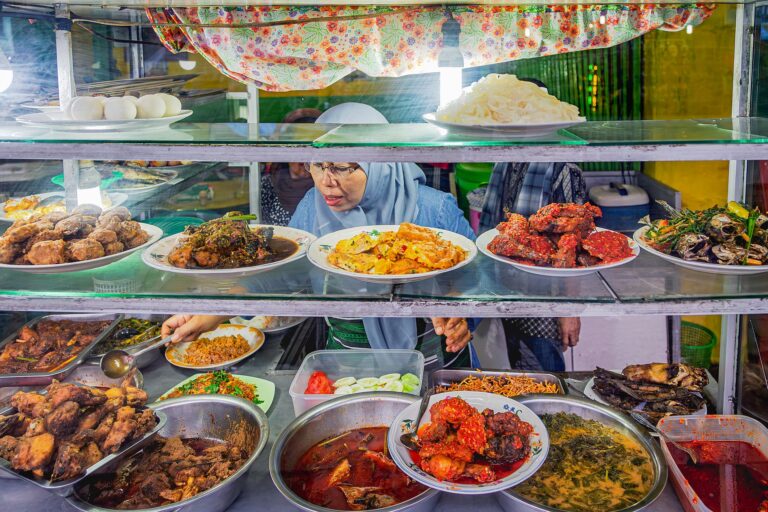
The peanut sauce means business—shrimp paste chili, lime juice, enough heat to make you sweat. In Jakarta’s Blok M or Surabaya’s markets, satay is communal. Ordering just a few skewers? Unthinkable.
Grills run hotter here. Charred edges, tender centers. No half measures.
Thailand’s Curry-Forward Creation: Simplicity with Complexity
Thai satay marches to its own drum. Curry powder stars in the marinade, chicken dominates. Peanut sauce gets fish sauce and tamarind—savory, tangy, unmistakably Thai.
Bangkok vendors serve skewers with cucumber relish and two sauces: peanut and chili-vinegar. Smaller portions, but top-quality meat. The grilling’s efficient—stand, eat, repeat.
Your DIY Satay Adventure
Try making it? Use good coconut milk, fresh turmeric, galangal. Marinate overnight. Toast your peanuts. Hardwood charcoal beats briquettes.
The takeaway? No single “best” satay. Malaysia’s precision, Indonesia’s fire, Thailand’s balance—all celebrate the same glorious idea: meat, fire, and tradition.
Next time you’re in Southeast Asia—or hunting authentic satay abroad—taste them all. Each style tells a story. The real win? Experiencing every version.