Tokyo
Tokyo Bangkok
 Seoul
Seoul Singapore
Chee Cheong Fun: Malaysia’s Street Food You Need to Know
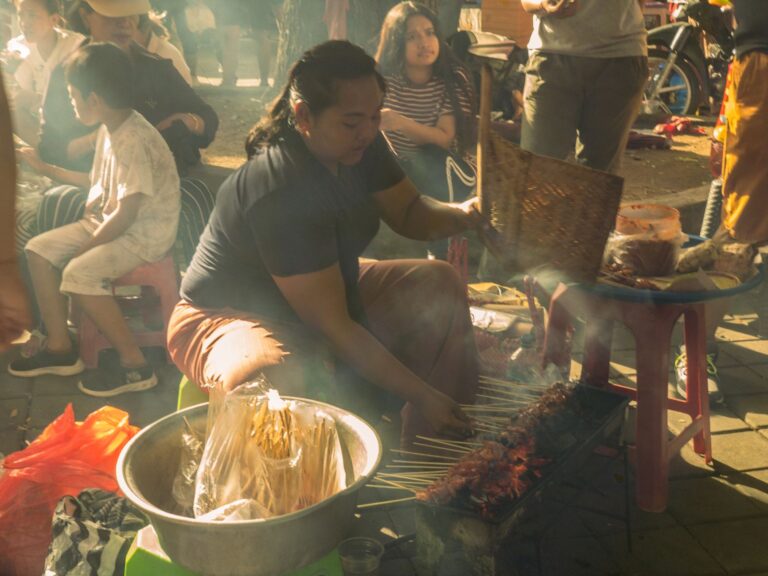
The metal cart clatters down Jalan Petaling before dawn, steam curling from bamboo baskets. A man in a worn Liverpool jersey takes his place behind the counter—within minutes, a queue forms. Construction crews, office workers, retirees. No one’s here for coffee. This is chee cheong fun territory, where rice noodle rolls taste nothing like those sad dim sum cart versions. The real deal.
How Chee Cheong Fun Became Malaysia’s Morning Ritual
Cantonese immigrants brought chee cheong fun to Malaysia in the 1900s, but locals rewrote the recipe. The original? Just soy sauce and maybe shrimp. Malaysian street vendors cranked it up: crispy shallots, cilantro, chilies, and that game-changing gravy—fermented bean paste, chilies, sometimes minced pork. The rolls still start fresh each morning: rice flour and water steamed on oiled metal, rolled while warm. Get it wrong and they’re either rubbery or fall apart.
Penang’s version goes dark with preserved turnip and dried shrimp gravy. Ipoh keeps the sauce light but piles on crunch. It’s now as common as roti canai at breakfast, just without the tourist crowds.
Where the Best Stalls Actually Are (Not the Obvious Places)
Forget mall food courts. Hit the morning markets. In KL, Uncle Tan at Jalan Silang Market starts at 5:30 AM—gone by 8. His nearly transparent rolls come with a three-chili gravy that unfolds slowly on your tongue. 4 ringgit (about 85 cents) a plate.
Georgetown’s Lorong Selamat food court has a red umbrella stall run by a woman who’s rolled these for 40 years. No social media, no expansion plans. Her near-black gravy uses aged fermented beans. Ipoh’s Restoran Thean Chow draws families with thicker, creamier rolls drizzled in sesame oil.
What Actually Makes the Malaysian Version Different
It’s all about the sauce—and the attitude. Malaysian vendors slather on fermented bean paste gravy (tau cheo) for umami depth, often spiked with sambal for layered heat. Toppings aren’t garnish; they’re essentials. Fried shallots for crunch, cilantro for freshness, sometimes preserved turnip for salty funk. Some rolls come stuffed with shrimp or char siu, but purists skip fillings to taste the rice’s subtle sweetness.
Hotel breakfasts can wait. Find a morning market, watch what locals order, eat standing up. That’s chee cheong fun done right.