Tokyo
Tokyo Bangkok
 Seoul
Seoul Singapore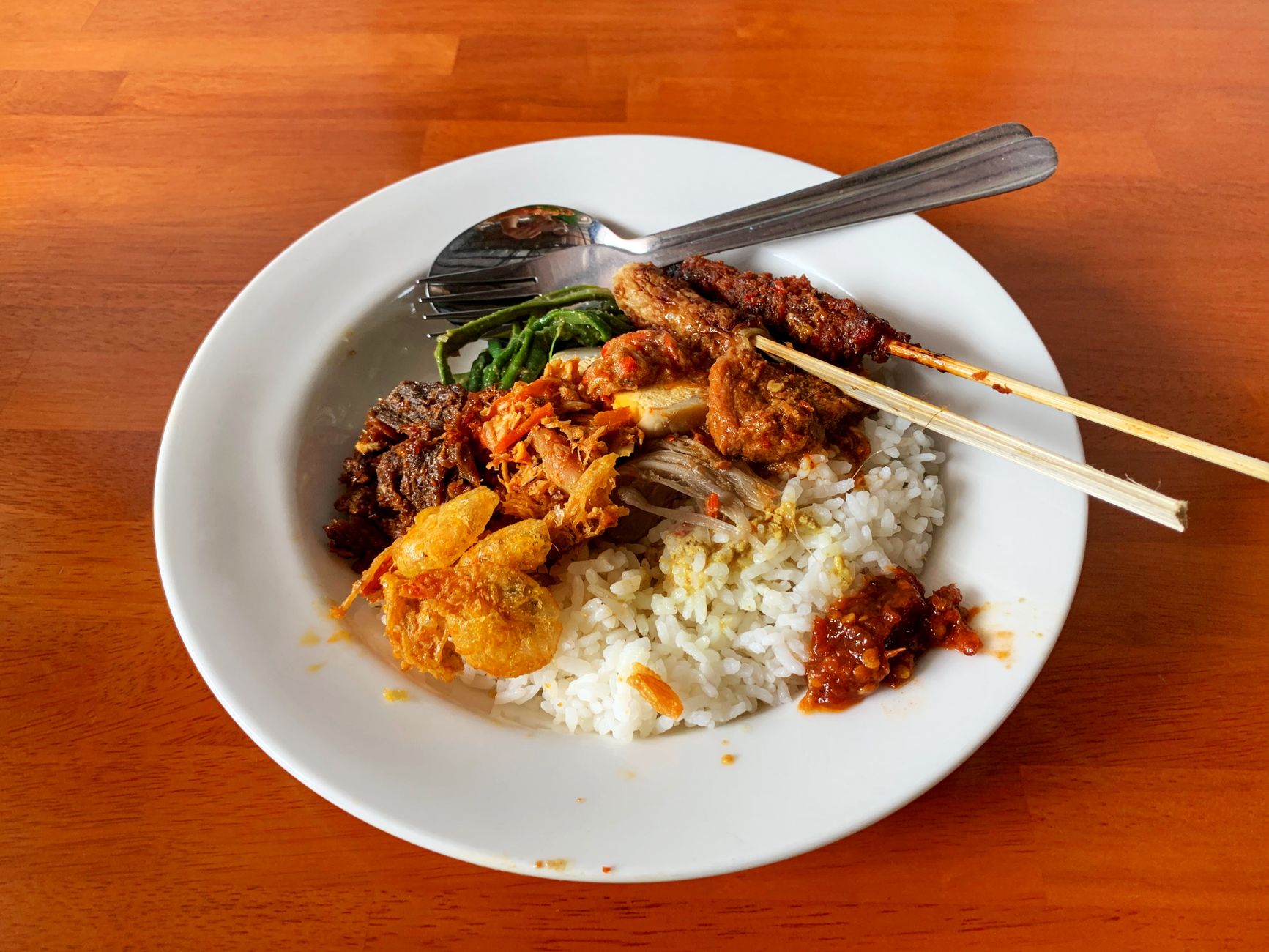
Bali Food Guide: Eat at Warungs, Not Resorts
The scent hits you first at Pasar Badung in Denpasar—charred pig skin, coconut smoke, and fermented shrimp paste mingling like competing street preachers. At 6 a.m., a woman in a faded sarong stands by a warung, turning a whole pig on a spit and basting it with turmeric and garlic paste. This is babi guling, and if you’ve only had it plated on ceramic at a resort, you’ve missed the real deal.
The Warung: Where Bali Actually Eats
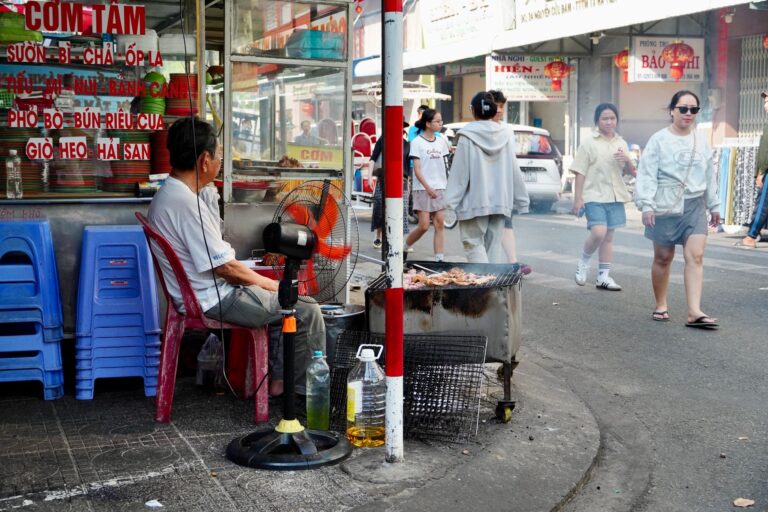
Skip the Instagram-friendly cafés in Seminyak. Bali eats at warungs—those tiny, open-fronted stalls with plastic stools and no written menu. Mornings are spent elbow-to-elbow with construction workers, nurses, and motorcycle taxi drivers at spots like Warung Pulau Kelapa in Ubud. A plate of gado-gado (blanched vegetables with peanut sauce) costs about 40,000 rupiah and tastes like it took someone’s grandmother hours to perfect.
Warung culture thrives on simplicity. You point, sit, and eat. The woman running the stall has been preparing the same five dishes since dawn. She knows them inside out. The sambal is always homemade—usually a fiery blend of bird’s eye chilies, garlic, and whatever proteins are on hand. At Warung Bodag Maliah near Canggu, the sambal matah (raw shallot and chili relish) is so sharp it’ll make your eyes water. That’s the point. It’s meant to wake you up.
Babi Guling: The Pig That Defines Bali
Babi guling isn’t just a dish—it’s a statement. The pig is stuffed with turmeric, garlic, ginger, galangal, and chili, then slow-roasted until the skin cracks into shards of fat and protein. You get crackling skin, tender meat, and organs that might make Western eaters hesitate. The liver is sweet and dense. The intestines have a mineral edge that surprises.
Head to Babi Guling Chandra in Gianyar, about 45 minutes from Ubud, and you’ll see why locals make the trip. It’s served with yellow rice cooked in turmeric and coconut milk, a small portion of pork blood cake (trust it), and a heap of sambal strong enough to strip paint. The owner, Chandra, has been at it for 30 years. He’ll tell you the quality hinges on the pig’s diet and roasting timing. Arrive too late, and you’re eating leftovers. The best time? Between 11 a.m. and 1 p.m., when the turnover is quickest.
Beyond the Obvious: Lawar, Satay, and Actual Depth
Lawar is the dish that separates casual eaters from those who truly get Bali. It’s a salad of finely chopped raw or lightly cooked vegetables, grated coconut, and minced meat (pork, chicken, or fish, depending on the warung). The dressing—a paste of shallots, garlic, turmeric, chilies, and trassi (fermented shrimp paste)—is pounded fresh each morning. At Warung Petanu in Ubud, their chicken lawar is minced so finely it’s almost creamy, with trassi adding an umami depth that reveals the essence of Balinese cooking.
Satay here isn’t the tourist version with peanut sauce on the side. Near Ubud Market, skewers are grilled over coconut husks, giving the meat a distinct char and smokiness. The peanut sauce is thinner, more of a dip, balanced with lime juice and chilies instead of being overly sweet.
Stop hesitating and dive into Bali’s street food. Warungs are where the magic happens. Arrive early, point at something, and eat it on a plastic stool as traffic rolls by. That’s the real Bali.