Tokyo
Tokyo Bangkok
 Seoul
Seoul Singapore
Chiang Mai Street Food Guide: Eat by Neighborhood
Chiang Mai’s street food isn’t just scattered randomly—it follows a rhythm. Where and when you eat matters more than most guides let on. Stick to the right spots at the right times, and you’ll avoid overpaying for forgettable khao soi.
The Old City Wakes Up Early—Then Shuts Down
Inside the moat, mornings rule. The best sai oua, khao soi, and naam prik ong disappear by early afternoon. These aren’t tourist traps. They’re family-run stalls where the same hands have perfected one dish for decades. Reputation keeps quality high—a bad meal here would be career suicide. Yes, prices creep up near temples, but the food itself stays legit.
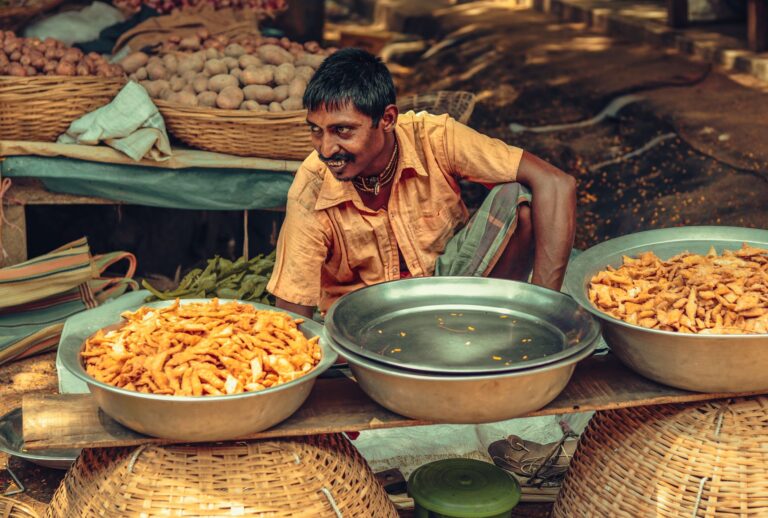
Warorot Market’s eastern edge has four khao soi stalls worth waking up for. Their broths start fresh at dawn. Near the north entrance, a sausage vendor draws lines for good reason: their sai oua packs more pork than filler. Dishes run 40-60 baht ($1.20-1.80). Come late? You’ll find locked shutters.
Nimmanhaemin Comes Alive After Dark
When the Old City sleeps, Nimman heats up. This strip north of downtown thrives on nighttime carts—no frills, just killer grilled chicken, papaya salad, and falling-apart pork legs. The action starts around 5 p.m.
At Nimmanhaemin and Soi 1, follow the smoke to the red-umbrella grill. Their chickens come from a single farm—tender meat, crispy skin. Three pieces with rice: 80-100 baht. Two stalls down, papaya gets shredded on the spot, not pre-bagged. Near Soi 5, a pork leg stall braises their meat for 14 hours until it nearly dissolves.
Riverside Markets: Mostly for Show (But Not Entirely)
Sunday Walking Street and the Saturday market jack up prices for tourists. Quality’s hit-or-miss, with exceptions. The mango sticky rice near the bridge? Worth the markup—real Nam Doc Mai fruit, coconut cream that tastes homemade. Otherwise, you’re paying for lights and crowds, not better food.
Here’s the deal: Chiang Mai’s best eats hide where locals actually eat, not where Instagrammers pose.
Do This: Old City AM, Nimman PM
Hit Warorot by 8 a.m. for khao soi and sausage. Nap. At dusk, taxi to Nimmanhaemin’s Soi 1. Attack the chicken, papaya salad, and pork leg in that order. One day, two neighborhoods, zero regrets.