Tokyo
Tokyo Bangkok
 Seoul
Seoul Singapore
Katsuobushi: The Smoky Fish Flake That Defines Japanese Umami
Katsuobushi—those dried, fermented bonito flakes shaved paper-thin—is the secret powerhouse behind Japanese flavors most Western kitchens miss. Not some fancy restaurant-only ingredient. This is what gives dashi its magic, the stock that makes miso soup and noodle broths taste like Japan. Skip katsuobushi, and you’re missing the point entirely.
Why Katsuobushi Isn’t Just Another Fish Product
This is preservation turned into art. They take a whole bonito, gut it, boil it for an hour, then smoke it over binchōtan charcoal for days until it’s rock-hard and dark as mahogany. What comes out is so dense that a single block—called a fushi—might weigh several pounds but barely yield a handful of flakes. That’s not waste. That’s the goal. The fermentation and smoking create layers of umami: inosinate compounds that keep intensifying over time.
Cheap bonito flakes versus real katsuobushi? Like comparing instant coffee to a perfectly pulled espresso shot. The grocery store stuff uses scraps, skimps on smoking, and tastes flat. The good stuff—especially from Tosashimizu in Kochi Prefecture—develops a surface mold during aging. That’s not spoilage. It’s the koji mold working its magic, concentrating flavors like noble rot does for wine.
Where Katsuobushi Becomes Indispensable: Dashi and Beyond
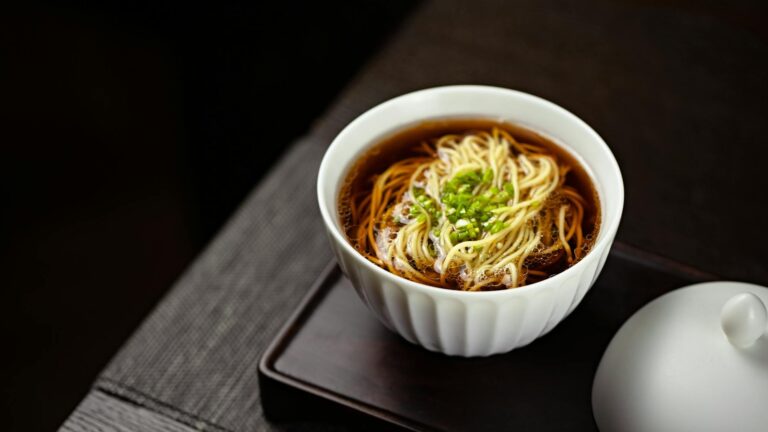
Dashi is where katsuobushi shines. Making it right takes fifteen minutes: cold water with kombu, heat it, pull the kombu, toss in katsuobushi flakes, let them sink, strain. Boom—you’ve got a clear, mineral-rich broth that puts murky fish stocks to shame. This is what lifts chawanmushi and udon broth from good to unforgettable.
But here’s where Western cooks usually mess up—katsuobushi isn’t just for broth. Sprinkle it over hot okonomiyaki and watch the flakes dance from the steam. That’s not just theater. The heat wakes up the umami, sending it straight to your nose before it hits your tongue. Same deal with takoyaki. These flakes aren’t garnish. They’re flavor bombs.
The Uncomfortable Truth About Bonito Flakes and Sustainability
Nobody likes talking about this, but bonito stocks aren’t what they used to be. Not endangered yet, but catches are unpredictable now. Prices show it—premium Tosashimizu blocks run $40 to $80 at specialty shops.
Know your grades. Ichiban-gushi (first-grade) gets heavy smoking and long aging—pricey but worth it for finishing dishes. Niban-gushi (second-grade) works fine for everyday dashi. Your call depends on budget and use. Want to taste the difference? Get a block and a microplane. Make one batch of real dashi. There’s no going back.