Tokyo
Tokyo Bangkok
 Seoul
Seoul Singapore
Gulai: Indonesia’s Comfort Food Decoded
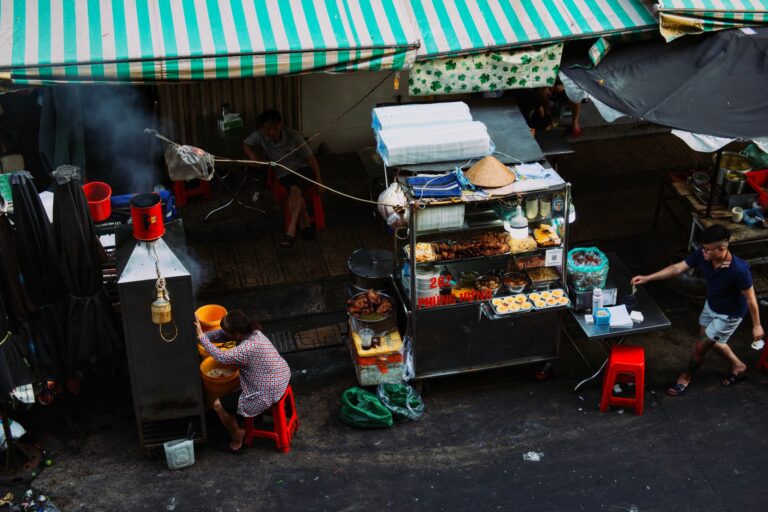
At 6 a.m. in a Jakarta food court, Ibu Siti scoops gulai into a takeout container for a construction worker glued to his phone. He doesn’t need to look. The golden turmeric broth, falling-apart meat, and creamy coconut base are familiar. This is gulai—not some fancy restaurant dish, but the fuel that keeps people moving.
Gulai answers a simple question: what do you cook when life demands warmth, when you’re feeding a crowd, when only something that tastes like home will do? It’s a sturdy, spiced coconut milk stew that gets better with time. To know gulai is to know how Indonesia really eats.
Gulai Is a Method, Not Just a Dish—That’s the Magic
Gulai isn’t a single recipe. It’s a way of cooking: meat or veggies simmered in a paste of turmeric, galangal, garlic, chilies, and shallots, then finished with coconut milk and a hit of sourness. The sauce should cling, not puddle.
Bad gulai tastes flat—all turmeric or watery coconut milk hiding tough meat. The good stuff? Layers. Fry the paste until it’s fragrant and caramelized. Braise the meat until the broth turns velvety. Add coconut milk late so it doesn’t break. The best gulai tastes like it cooked all day, even if it didn’t.
It works with anything: chicken, goat, jackfruit, fish. The spices stay familiar, but the main ingredient changes everything.
Sumatra Brings the Heat; West Java Keeps It Mellow
Gulai shifts across Indonesia. In Padang, Sumatra, it’s a chile-packed punch—thick sauce, fermented paste, no apologies. People eat it with rice and a fried egg, sweating happily.
In Bandung and West Java, gulai dials back the heat. More coconut milk, fewer chilies, maybe a whisper of palm sugar. The spices hum in the background. Comfort without the burn.
Aceh adds cardamom and cloves, nods to its trading past. Yogyakarta sometimes uses candlenuts for extra heft. Even within Java, recipes change block by block.
Here’s the thing: most gulai outside Indonesia blurs these lines. Restaurants in London or Sydney serve a safe, generic version. It’s tasty, but it’s not the full story.
Gulai Belongs to Homes, Not Chefs
You’ll find gulai in restaurants, but it thrives elsewhere. It’s Sunday meal prep. Sick-day food. The dish you make when money’s tight but mouths are many.
That means the best gulai usually comes from a home cook or a street vendor who’s perfected one recipe over decades. They don’t measure. They know when the paste is right, when the coconut milk should go in.
Want the real deal? Find a warung where locals crowd at breakfast. Order what the regulars do. That’s gulai in its natural habitat.
Try This
Hit a Padang spot near you. Get the gulai daging—beef gulai. Ask if they grind their own spices. If yes, eat it. If no, try another place. Pair it with rice and a fried egg. Don’t overcomplicate it. This is gulai at its core, and it’ll show you why people can’t quit it.