Tokyo
Tokyo Bangkok
 Seoul
Seoul Singapore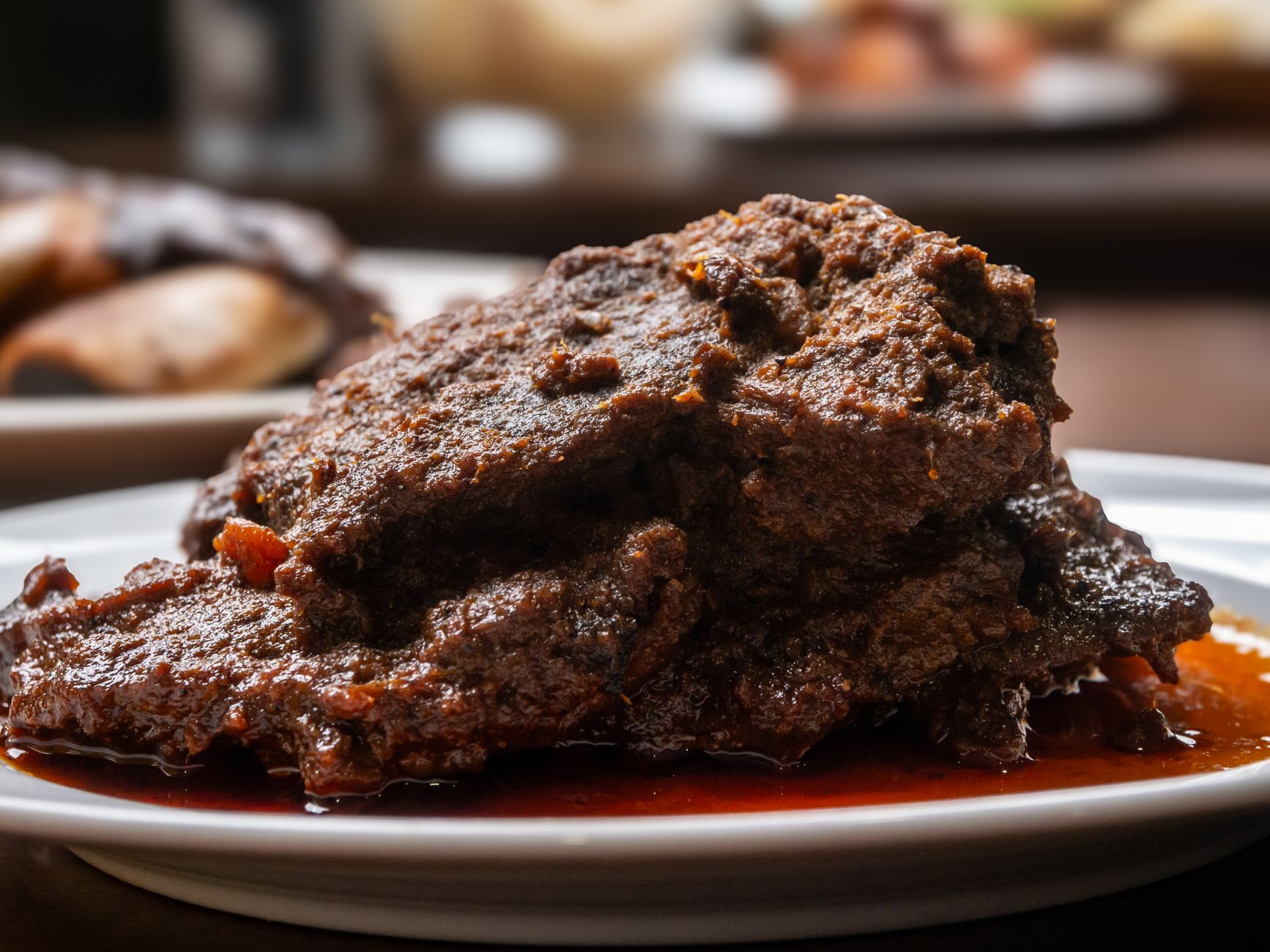
Rendang Recipe & Technique: BBC’s World’s Most Delicious Dish
In 2017, the BBC named rendang the world’s most delicious dish—and it’s easy to see why. This Indonesian and Malaysian slow-cooked curry isn’t just comfort food. It’s a lesson in patience, layering spices and textures over hours until something magical happens. What makes rendang special? Science meets tradition, with zero shortcuts.
How Southeast Asia’s Favorite Dish Came to Be
Rendang started with the Minangkabau people of West Sumatra, Indonesia. The name comes from “merendang,” which means cooking meat slowly in coconut milk and spices until everything thickens. Originally a way to preserve food without refrigeration, it’s now one of the most technically challenging curries out there.
Across Indonesia, Malaysia, and Brunei, rendang means celebration. Weddings, holidays, family meals—it’s a dish that says welcome. When the BBC called it the world’s best in 2017, no one in Southeast Asia was surprised. Just relieved the rest of the world finally caught on.
Why Rendang Can’t Be Rushed
Good rendang takes time. At least 2-3 hours, often more. Here’s what’s happening in that pot:
Coconut milk simmers until the fat separates. Meat soaks up flavor while getting impossibly tender. Spices toast gently, their sharp edges softening into something deeper. The sauce reduces to a sticky glaze that clings to every bite. Skip any step, and you lose the magic.
Science backs this up. The Maillard reaction works its slow magic, building umami you can’t fake. Spices hydrate fully, blending instead of fighting for attention. No instant version comes close.
Getting It Right: Spices, Coconut Milk, and Timing
It starts with the spice paste. Fresh chilies, garlic, ginger—no powdered substitutes. Pound them or blend smooth, but don’t cut corners.
Coconut milk makes or breaks the dish. Go for full-fat, preferably fresh or high-quality canned. Cheap versions water everything down.
The cooking unfolds in three acts: Fry the paste until it smells amazing. Add coconut milk and meat, then simmer gently. Finally, the long wait—stir occasionally as the sauce thickens to a glossy coat. Done right, oil pools on the surface, and the meat shines dark and sticky.
Key move: Don’t stir too much. Let the bottom caramelize between stirs.
The Texture Test
Perfect rendang walks a tightrope. The meat should fall apart, but the sauce needs texture—crispy bits where it hit the pan, toasted spice fragments. Too little time, and it’s soupy. Too much, and it turns to paste. The sweet spot? Sauce that barely drips off a spoon.
Rendang isn’t about fancy tricks. It’s about doing simple things exceptionally well, for as long as it takes. That’s why it travels—from Jakarta to Brooklyn, the rules stay the same.
Want to try? Grab good ingredients, block off an afternoon, and pay attention. Your first bite will explain everything.