Tokyo
Tokyo Bangkok
 Seoul
Seoul Singapore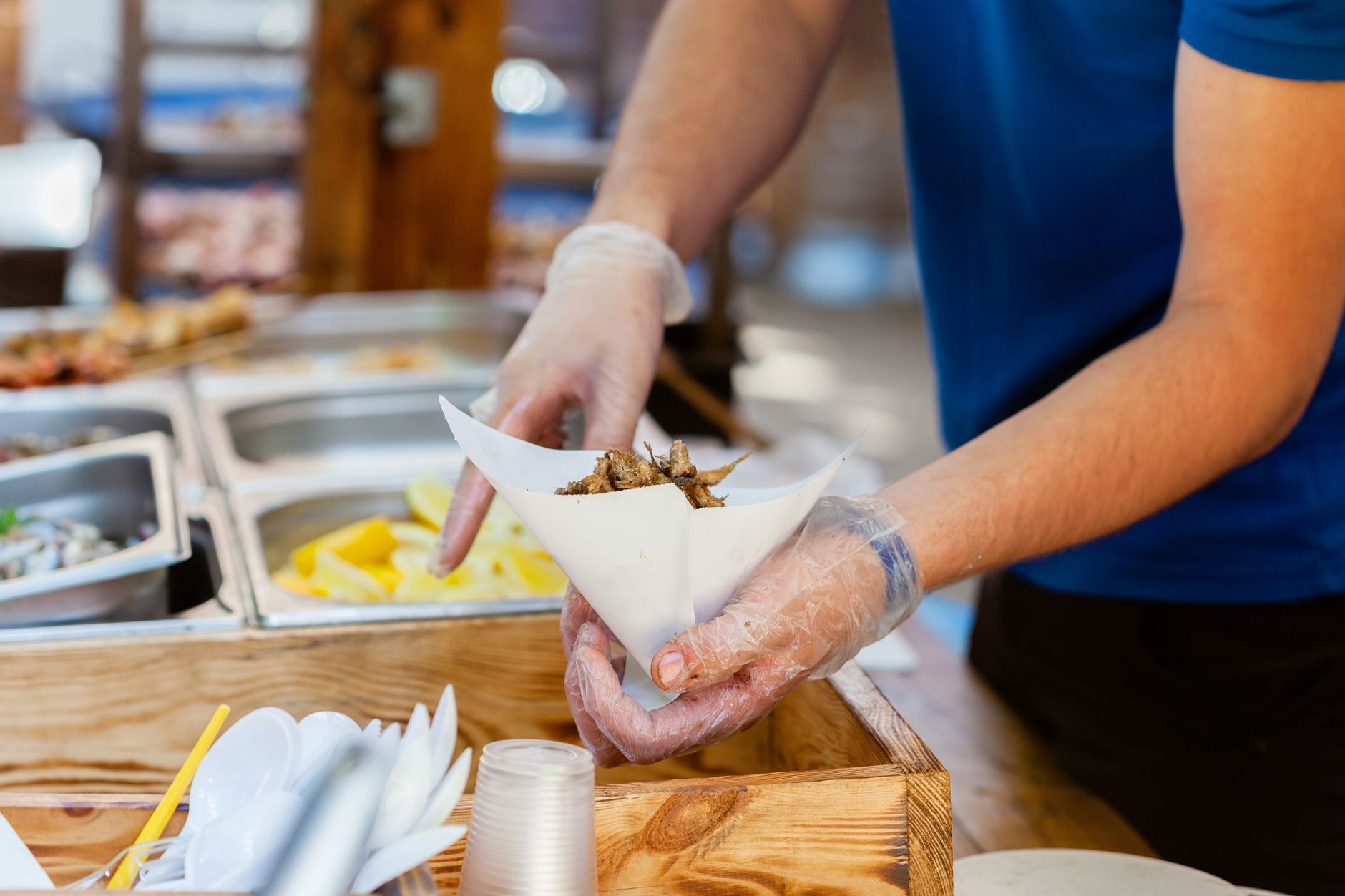
Penang Street Food Guide: Gurney Drive to Chulia Street
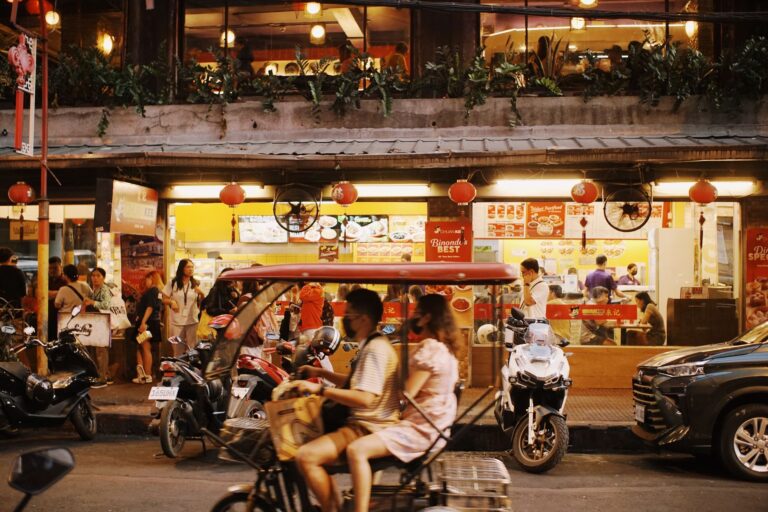
The moment you step onto Gurney Drive around dusk, the air hits you—smoky chili paste, sizzling oil, and a faint sweetness cutting through. It’s not just one aroma but a riot of smells from dozens of woks, somehow making perfect sense when you’re right in the middle of it. This is Penang’s street food at its most unapologetic. If you want the real deal, you need to go where the locals go.
Gurney Drive: Char Kway Teow That Means Business
Forget the bland versions you’ve had before. Here, char kway teow gets properly charred—dark, almost bitter bits of flat rice noodle balanced by salty soy sauce and fiery wok hei. The best stalls cluster near the hawker center entrance, where cooks work magic with one hand tossing noodles while cracking eggs with the other. Pro tip: order it with lard (not oil) and extra cockles. Skip the sprouts unless they’re tossed in fresh. Five ringgit buys you a plate. Eat it standing up, like everyone else.
Chulia Street: Assam Laksa That Packs a Punch
Chulia Street’s assam laksa is nothing like the creamy coconut version. This one’s all tangy fish broth, sharpened with tamarind and dried chilies, piled with rice noodles and toppings. First bite? Probably a shock. By the third spoonful, you’ll get why lines form before sunrise. The family-run stall near Lebuh Armenian hasn’t changed their recipe in 30 years—same morning-made broth, same tamarind supplier three blocks away. They’re done by noon. 4.50 ringgit. Drink every last drop.
The In-Between Stuff: Prawn Fritters and Oyster Omelettes
The zone between Gurney and Chulia hides the weird-but-wonderful. Prawn fritters (har cheong) from a Lebuh Chulia cart—shrimp paste hugging whole prawns, fried until they shatter. Hit them with lime. For oyster omelettes, the spot near Chulia and Kimberley does them right: thin egg sheets crisped at the edges, stuffed with briny oysters. Neither dish is subtle. Both cost under 6 ringgit. Eat them hot, standing up, with stained fingers.
Hit Gurney Drive at 7 p.m. when it’s busy but not insane. Char kway teow first, then wander toward Chulia. Next morning, be at the laksa stall by 8:30 a.m. Pick one stretch—morning or evening—for the smaller vendors. Cash only. Wear dark clothes. Napkins optional but strongly advised.