Tokyo
Tokyo Bangkok
 Seoul
Seoul Singapore
10 Asian Food Trends That Became Permanent Fixtures
Seoul doesn’t treat Korean fried chicken like some passing fad—it’s Friday night fuel, as basic as pizza in America. Taipei runs on bubble tea. Literally. The city has more boba shops than convenience stores, and no, that’s not an exaggeration. While some food trends vanish when the hype dies, these Asian staples crossed over from exotic to everyday. Here are ten that actually stuck.
From Trend to Routine
Bubble tea hit American shores around 2010, and everyone expected it to disappear like fro-yo. Instead, chains like Gong Cha and CoCo spread to every major city. The secret? It filled a gap. Americans craved something between coffee and soda, and boba nailed it. In Taiwan, it was already routine—students sipping between classes, office workers grabbing cups with lunch. When it migrated West, the diaspora kept ordering what they’d always known. Now regional differences emerge: LA boba shops favor different flavors than New York’s, mirroring Asia’s own variations.
Korean fried chicken took a similar route. Not some new invention—it’s been a Korean staple since the 1960s, when street vendors first fried chicken over charcoal. But when it blew up globally around 2015, chains like Bonchon and Kyochon expanded and stayed. The magic’s in the method: double-fried at different temps, then glazed with gochujang or soy. Crispier. Less greasy. Once Americans tasted the difference, they got why Koreans eat it weekly—not just for special occasions.
Ramen Stops Being a Novelty
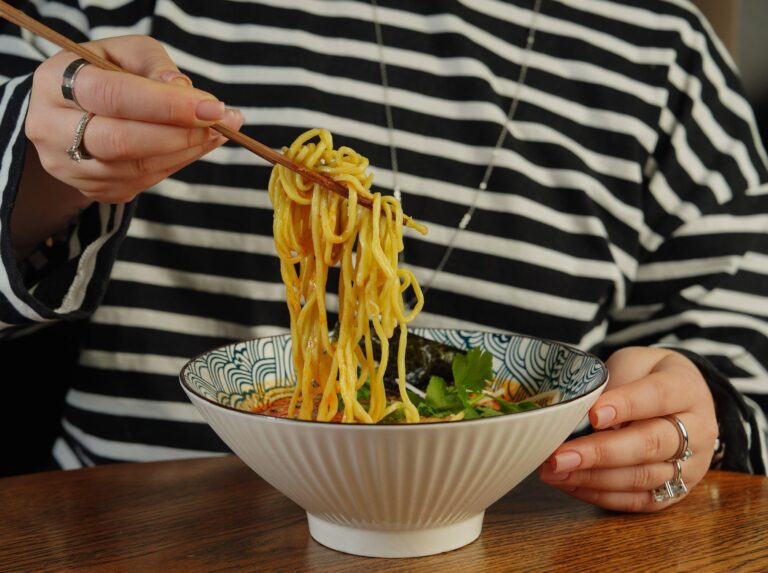
Remember when ramen shops were just tourist stops in New York? Now they’re local fixtures. Momofuku kicked things off in 2004, but longevity came from regional authenticity. Tokyo-style tonkotsu isn’t Fukuoka-style isn’t Sapporo-style. American shops realized they could specialize instead of serving generic “Asian noodles.” Just like in Japan—where people will cross town for their favorite regional bowl.
The game-changer was broth. Real tonkotsu takes 12-18 hours of pork bones simmering. Not exactly trend-friendly timing. But restaurants committed anyway, signaling this wasn’t some flash-in-the-pan craze. Once people tasted proper ramen—not the instant stuff—they were hooked. Now spots in Melbourne and London still have hour-long waits five years later.
The Foods That Were Always Here
Some dishes didn’t trend—they just stepped into the spotlight. Dumplings, mapo tofu, hand-pulled noodles were already staples in overseas Chinese communities. They didn’t go viral; they went mainstream. The shift? Accessibility. In the 1980s, dim sum carts only rolled through San Francisco’s Chinatown. Now they’re in Ohio strip malls.
The survivors share one trait: they refused to dumb down flavors. Real mapo tofu burns with Sichuan peppercorns and chili oil. Places that watered it down for Western tastes folded. The ones keeping the heat, the funk, the challenging textures? They built fanbases. People didn’t want fusion—they wanted the real deal.
Here’s the thing: the “trends” that lasted were never trends to begin with. They were just food. The ones that stuck stayed true—no compromises, no Instagram gimmicks, just quality and availability. That’s why your city now has legit ramen, proper Korean fried chicken, and real-deal boba. And they’re not leaving.