Tokyo
Tokyo Bangkok
 Seoul
Seoul Singapore
Sundubu Jjigae: Korean Soft Tofu Stew Guide
Watching someone make sundubu jjigae for the first time, you notice how carefully they crack the raw egg into the bubbling pot—no stirring, just letting it cook gently in the heat. That moment captures the dish perfectly. It’s not about rushing. It’s about timing and respecting soft tofu’s delicate nature.
Where Sundubu Jjigae Comes From and Why It Matters
This stew started in Korean home kitchens, not fancy restaurants. When soft tofu production expanded in the 1960s and 70s, it became everyday comfort food. The name says it all: sundubu means soft tofu, jjigae means stew.
What makes it special? Simplicity. While some Korean dishes take hours, sundubu jjigae cooks in 15 minutes flat. Koreans eat it on weeknights, at street food tents after work, or when feeling sick. The tofu melts away, while the broth—seafood or meat-based—packs the flavor. Every restaurant in Seoul, Busan or smaller towns claims theirs is best.
Regional Styles: How Different Areas Make It Their Own
Seoul’s version keeps it light, often using seafood stock with clams or shrimp. The ocean flavor comes through without overpowering the tofu.
Down in Busan or Jeju, they load it up—squid, mussels, anchovies make the broth richer and deeper. Busan locals often add extra gochugaru for serious heat.
Jeonju, Korea’s food capital, mixes things up. Their version might combine anchovy-kelp stock with pork for layered umami. The tofu still shines, but local ingredients change the game.
How to Eat Sundubu Jjigae Like Someone Who Grew Up With It
First rule: that stone pot (dolsot) stays dangerously hot. Let it cool slightly unless you enjoy burnt tongues.
Pair it with rice. Spoon stew over each bite. That raw egg? Mix it into your rice and broth—it’s meant to be eaten, not admired.
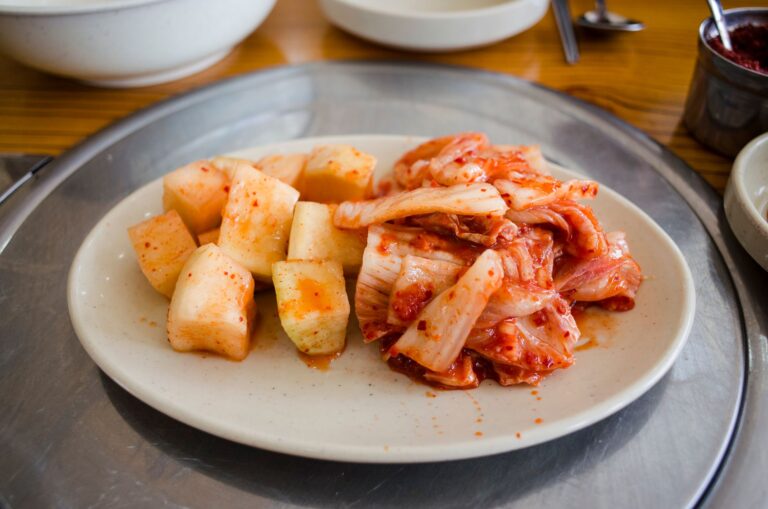
Banchan matter too. Kimchi, pickled veggies, maybe some spinach. They’re not just sides—they reset your palate between bites of stew.
Making it at home? Get real soft tofu from an Asian market (the regular kind won’t cut it), use decent stock, and keep it simple. Serve hot, crack the egg at the last second, and eat it like Koreans do—as honest, comforting food that doesn’t try too hard.