Tokyo
Tokyo Bangkok
 Seoul
Seoul Singapore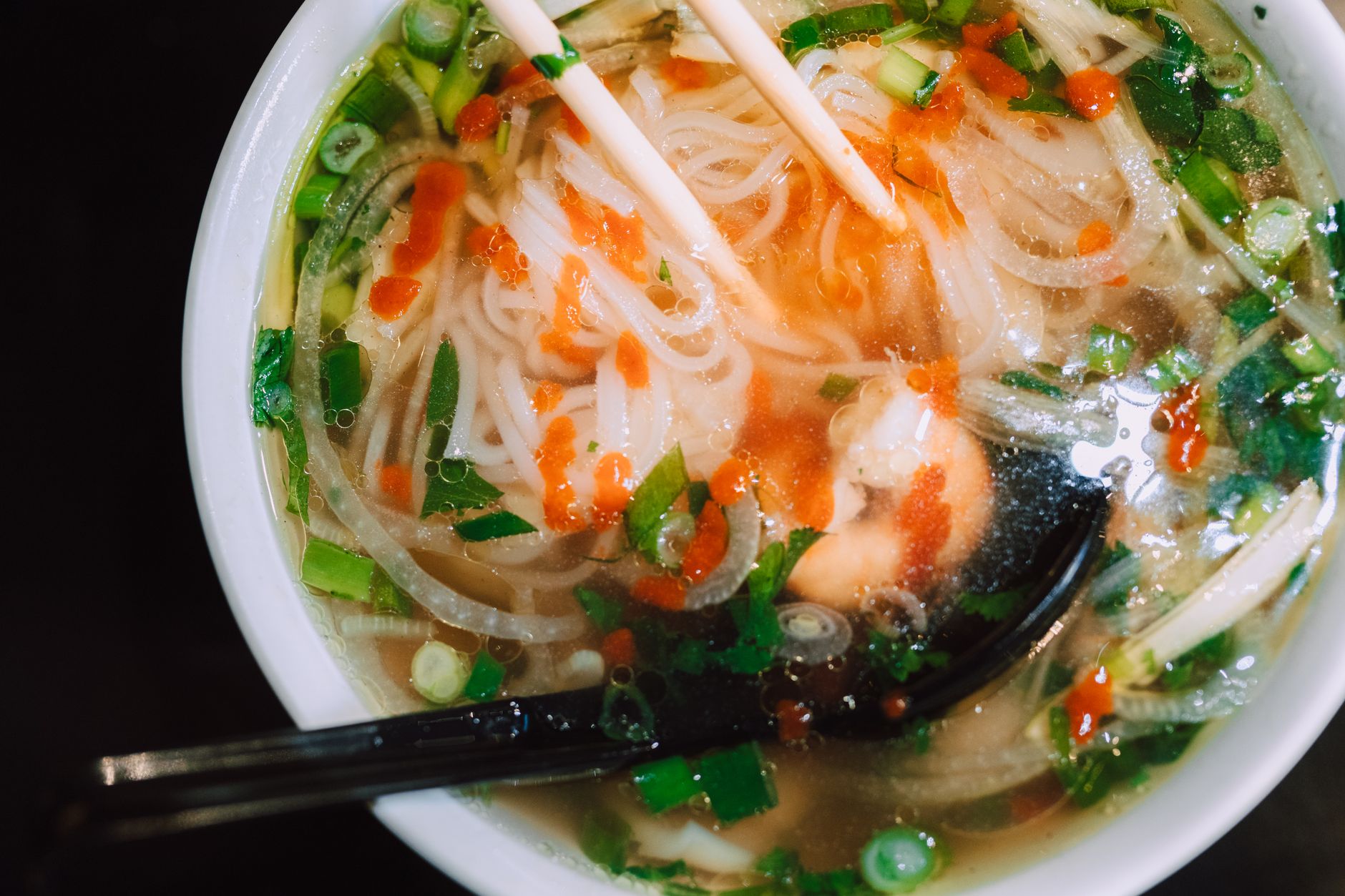
Make Authentic Sujebi at Home: Korean Hand-Torn Noodle Soup
Sujebi beats ramen any day. It costs less, cooks faster, and tastes like actual home cooking—not some corporate flavor lab experiment. If you haven’t tried it, you’re skipping one of Korea’s coziest meals. And guess what? It’s stupid easy to make.
Sujebi Is Humble Food That Shames Fancy Noodle Soups
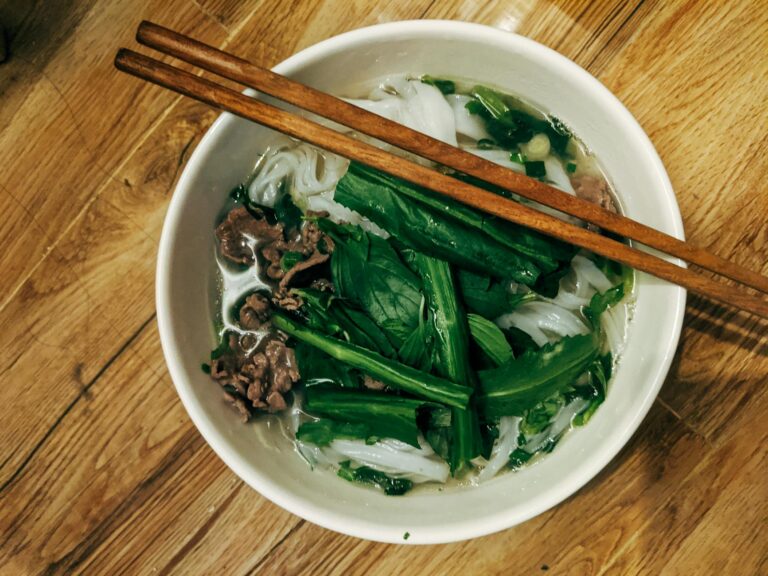
Sujebi means “hand-torn noodles.” That’s all it is: flour, water, salt, and whatever veggies were around. No machines. No fuss. You rip dough straight into simmering broth and it’s done in minutes. A legit bowl costs maybe $4 at a Korean street stall, and it should taste like a hug, not a photo op.
Good sujebi versus bad? Three things: broth, dough, and knowing when to stop. Too many places dump MSG and call it flavor. The real deal—like at Myeongdong Sujebi in Seoul or tiny LA Koreatown spots—uses anchovy-kelp stock simmered for hours. The dough should hold up without turning gummy. Veggies? They’re backup singers, not the main act.
Broth First, Everything Else Later
Dried anchovies and kelp. Don’t even think about skipping them. Soak 1 ounce of anchovies and a 3-inch kelp piece in 8 cups water for 30 minutes. Boil, fish them out after 5 minutes, then simmer 15 more. This broth is the soul of the dish. Use store-bought and you’re just making noodle soup.
For the dough: Mix 2 cups flour with ½ teaspoon salt. Slowly add ¾ cup water until it looks scraggly. Knead 2-3 minutes until smooth. Let it sit 15 minutes covered—this makes tearing easier.
Bring broth back to a boil. Toss in 1 cup total of diced potato, zucchini, and onion. Cook 5 minutes until potatoes soften. Rip dough into card-sized pieces and drop them in. They’ll sink, then float when done—about 3-4 minutes. Salt to taste. Optional: swirl in a beaten egg at the end. Top with sesame seeds and green onions.
Sujebi Isn’t Complicated, So Stop Overthinking It
Some writers treat Asian food like it needs decoding. Sujebi doesn’t. It’s cheap, fast, and tastes like childhood. Most restaurants screw it up because you can’t charge $16 for something that looks this simple. A proper bowl costs $4-6 and takes 20 minutes tops.
Here’s the thing: sujebi was survival food. Korean grandmothers made it during wars and recessions. It’s not about romanticizing struggle—it’s proof that great food needs care, not cash. Mess with that, and you miss the point entirely.
Make it this week. Good anchovies. Patient broth. Hand-torn dough. Big bowl, kimchi on the side. You’ll get why millions eat this on a random Tuesday without a second thought.