Tokyo
Tokyo Bangkok
 Seoul
Seoul Singapore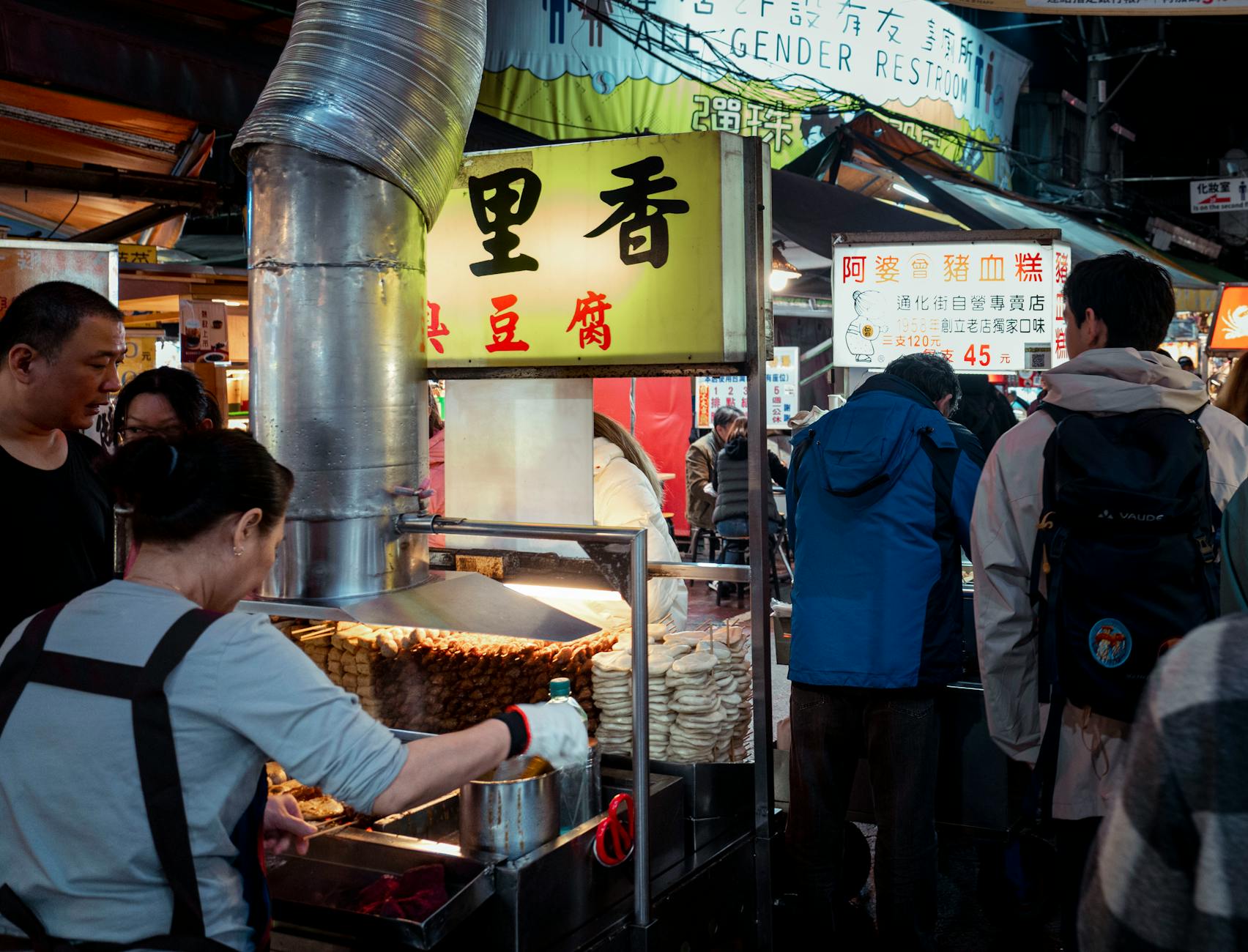
Taipei Night Markets: Essential Late-Night Eating Guide
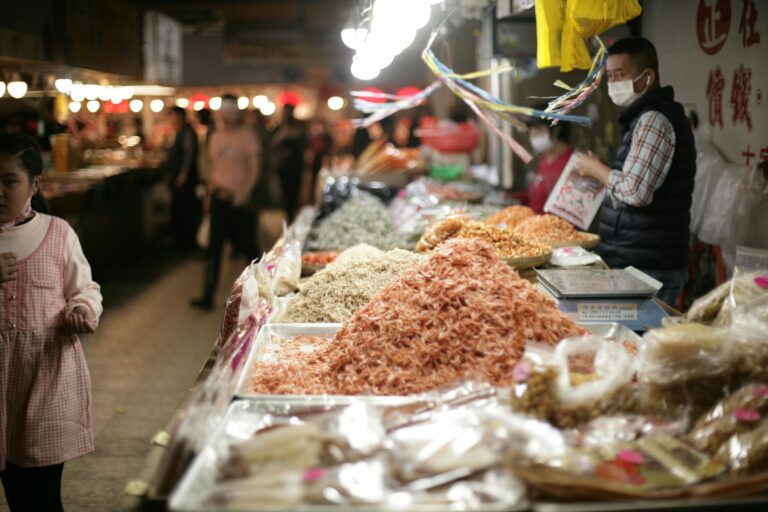
Taipei’s night markets didn’t start as some grand tradition. These food hubs emerged in the 1950s as street vendors, banned from daytime sales, moved operations after sunset just to survive. What began as a loophole became the city’s defining way to eat. While tourists flock to Shilin’s bright lights, the real night market scene runs much deeper – and far more interesting.
Shilin’s Actual Worth: Beyond the Hype
Shilin Night Market opens around 4 PM daily, packing in roughly 20,000 hungry visitors before closing at midnight. Sure, it’s tourist central. But skip it entirely and you’ll miss some legitimately great eats. Near the Wenlin Road entrance, one stall makes oyster omelettes (蚵仔煎) differently: whisking egg with cornstarch and sweet potato starch creates a custardy texture worlds apart from basic scrambles. Their oysters come from Penghu, 40 kilometers offshore. For stinky tofu (臭豆腐), follow your nose to corner stalls selling the fermented blocks – that distinctive funk comes from months-long brining with vegetables and meat. Pair it with pickled veggies and chili sauce to balance the punch. Shilin’s real win? You can try five different Taipei specialties in one go without trekking across town. The crowds aren’t just unavoidable – they’re part of the show.
Raohe Street: Where Locals Actually Gather
Raohe Street Night Market in Songshan District hums daily from 5 PM to midnight with neighborhood regulars. The tight alley layout naturally slows your pace, forcing snack breaks. Their pepper cakes (胡椒餅) stand out – vendors hand-wrap dough around pork, scallions and Sichuan pepper before baking in rotating drum ovens. That peppery tingle (麻) plays perfectly against the rich meat. Egg pancake (蛋餅) stalls flip crepes on flat griddles, customizing with cheese, ham or just scallions. Don’t skip coffin bread (棺材板) – a 1980s Taiwanese invention of crispy hollowed bread stuffed with creamed chicken or seafood. It sounds weird but works. Raohe’s magic lies in its cramped energy – you’re always stumbling on new stalls, and regulars get remembered.
Ningxia and Tainan Flavors: Regional Depth
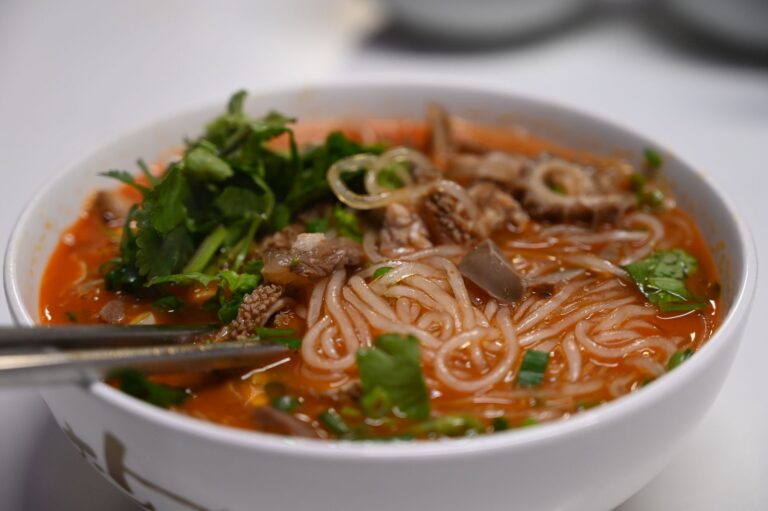
Ningxia Night Market in Datong District showcases Tainan-style eating – Taipei’s southern neighbor has its own food rules. Coffin bread started there, but so did danzai noodles (擔仔麵), a small noodle soup traditionally sold from shoulder-carried poles. The broth simmers shrimp and pork bones for hours, finished with spicy bean paste. At Ningxia, they serve it right – noodles stay separate from broth until eating to keep texture perfect. Their lu rou fan (滷肉飯) matters too – pork belly braised until the fat dissolves into soy, rock sugar and spices coats every rice grain. Simple? Yes. Easy to screw up? Absolutely. Ningxia strikes a rare balance – less tourist-packed than Shilin but livelier than small local markets.
Plan Taipei night eats by neighborhood, not just big names. Hit Shilin for variety, return to Raohe for favorites, then branch out to Ningxia or smaller markets when you’re ready. The best night market moments happen when you slow down enough to notice why these vendors still hustle after dark.