Tokyo
Tokyo Bangkok
 Seoul
Seoul Singapore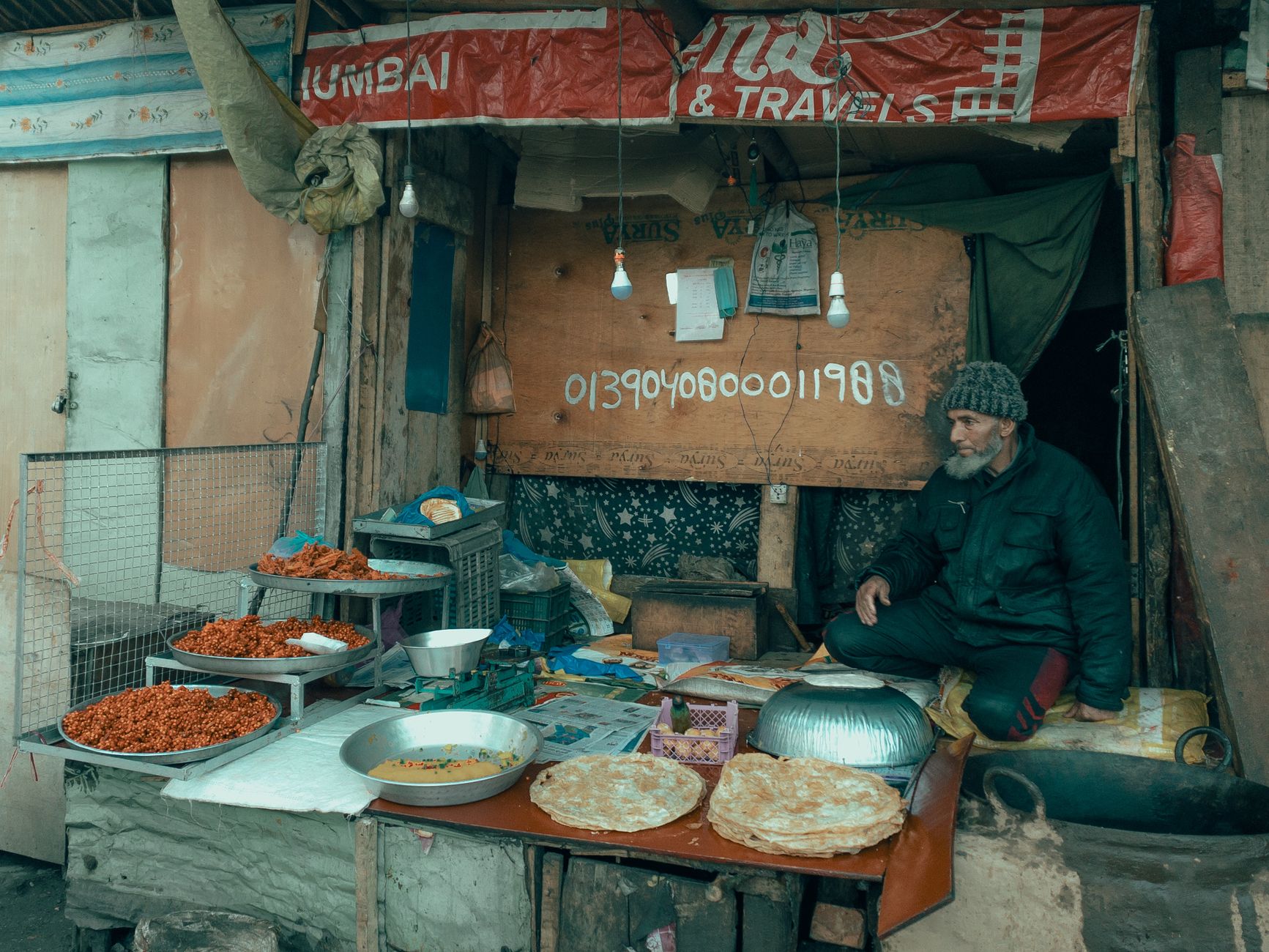
Chee Cheong Fun: Malaysia’s Street Food Essential
Chee Cheong Fun isn’t just breakfast in Malaysia—it’s a cultural checkpoint. Skip it, and you’ve missed the essence of Malaysian street food. These steamed rice noodle rolls, stuffed with char siu pork, shrimp, or chives, aren’t mere snacks. They’re the ultimate test for any Malaysian food vendor.
Why Chee Cheong Fun Hits Different Here
Chinese immigrants from Guangdong brought chee cheong fun (or cheung fun) to Malaysia centuries ago. The technique stayed the same, but the meaning changed. In Kuala Lumpur, Penang, and Selangor, it became the go-to breakfast for factory workers, taxi drivers, and schoolkids across all ethnic groups. Three things separate the real deal from imposters: the noodle sheet must be silky but never gummy, fillings balanced just right, and that soy-based gravy clinging perfectly—never pooling.
What makes some versions extraordinary? Water-to-rice ratios and steaming skill. Bad ones turn out thick and bouncy like erasers. The best? So thin you can almost see through them, tearing at the slightest touch. Timing’s crucial too—steam should rise when served, but that heat lamp aftertaste ruins everything.
Where to Eat It Like a Local
Old Town White Coffee chains serve decent versions, but they’re fast food compared to the real thing. Restoran Chee Cheong Fun in Petaling Jaya? That’s the stuff. Same owner for 28 years, same razor-thin rolls with precisely measured fillings, same gravy that tastes like muscle memory.
Penang’s Komtar stall opens at dawn and sells out by 11. Their twist: extra radish and shrimp in the filling. Near Klang’s train station, wet market vendors serve rolls so good people line up in work uniforms. No fancy decor here—just plastic stools and perfection.
Every major hawker center has at least one specialist. Pro tip: if there’s no queue by 7:30am, keep walking.
The Real Story Behind This Humble Dish
Chee cheong fun is disappearing from Malaysian mornings. Fancy cafes and photogenic brunch spots are pushing it out, which erases something vital. This dish became truly Malaysian when everyone—Malay, Chinese, Indian—started eating it from the same stalls during the country’s early years.
Here’s the kicker: most restaurant versions outside hawker centers are terrible. The noodles turn gluey if not made fresh daily, and reheating ruins the texture. That’s why the best stays where it belongs—on street corners at sunrise.
Fewer young Malaysians want to wake at 3am to steam noodles for a living. The masters are aging out. What you’re tasting now might not exist in a decade.
Eat it standing up before 9am. Pay less than 6 ringgit. That five-minute meal tells you more about Malaysia than any gourmet tour.