Tokyo
Tokyo Bangkok
 Seoul
Seoul Singapore
Semur: Indonesia’s Comfort Stew Beyond the Tourist Trail
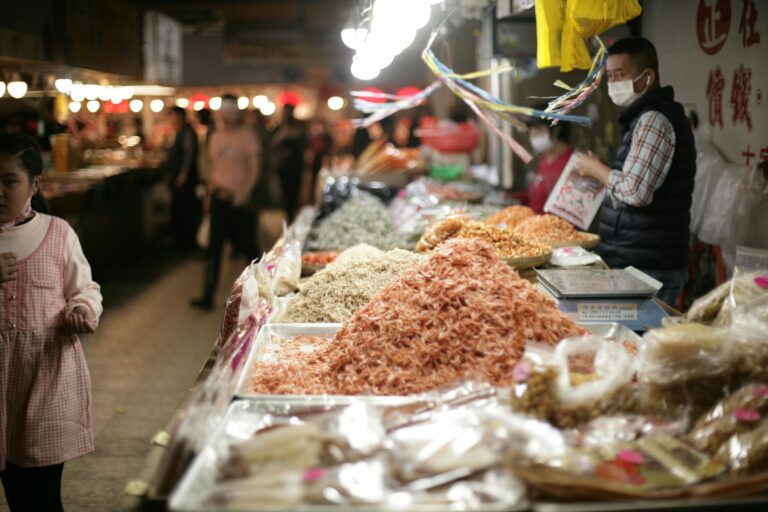
The scent hits you first at Pasar Baru in Jakarta—thick waves of clove and nutmeg swirling around a corner stall. An elderly woman stirs a blackened pot, steam rising with soy sauce and something deeper, almost earthy. Watch as she ladles glossy brown sauce over beef that’s been simmering for hours. This is semur, and it’s worlds away from the tame versions served downtown.
Semur is Indonesia’s ultimate comfort food, but that label doesn’t quite capture it. Think Dutch braising meets Indonesian spice alchemy. The result? Something entirely its own—not European, not quite traditional Indonesian, but unmistakably home.
The Spice Architecture That Makes Semur Work
What sets semur apart is its spice backbone. Across Java, cooks use clove and nutmeg differently than anywhere else in Southeast Asia—not just as accents, but cooked down until they become the sauce itself. In Surabaya, one vendor toasts whole cloves precisely three minutes before crushing them. “Any less and it’s sharp. Any more and it’s gone,” she says.
Kecap manis gives the sauce its color and molasses depth. But here’s the trick: the best versions caramelize onions and garlic until nearly black first. That fond becomes the flavor foundation. A Yogyakarta cook once added tamarind paste to hers—just a tablespoon, but it sliced through the sweetness perfectly.
How Regional Preferences Shape the Same Dish
Semur shifts like a local dialect across Java. Jakarta’s version leans sweet, sometimes with a splash of Coca-Cola (seriously—check the stalls). The beef stays in big, tender chunks. Bandung’s is drier, with visible spices and smaller meat cubes.
In Semarang, they add potatoes and hard-boiled eggs—a port worker’s meal designed to last. Near Cirebon, chicken replaces beef, simmered quick in a thinner sauce. Same name, completely different personality based on who’s cooking and who’s eating.
Why Semur Endures When Trends Fade
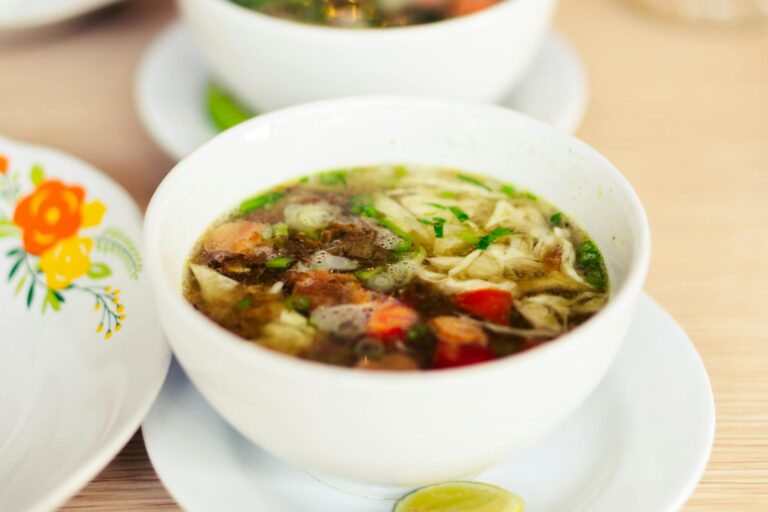
Semur won’t win beauty contests. It’s brown. Unfussy. Looks like something from an old family recipe card. Yet it’s everywhere—street stalls, home kitchens, late-night warungs—because it tastes like memory.
The Dutch brought the technique, but Indonesians made it theirs. That’s semur’s magic: a dish that absorbed foreign influence, then rewrote the rules. No wonder it’s lasted. Find it where the pot’s been simmering all morning, where locals eat it without thinking. That’s the real thing.