Tokyo
Tokyo Bangkok
 Seoul
Seoul Singapore
Hokkien Mee Singapore: The Ultimate Guide to This Iconic Noodle Dish
What Is Hokkien Mee? Singapore’s Most Addictive Noodle Dish
If there’s one dish that encapsulates Singapore’s hawker culture, it’s Hokkien mee — a gloriously messy, utterly addictive plate of thick yellow noodles coated in dark soy sauce, studded with succulent prawns, strips of pork belly, and finished with a dollop of fiery sambal. This isn’t fine dining; it’s street food at its most refined. Interestingly, surveys consistently rank Hokkien mee among the top three most beloved hawker dishes in Singapore, competing fiercely with chicken rice and laksa for supremacy.
But what exactly makes this dish so compelling? Hokkien mee is fundamentally a study in textural contrast and umami depth. The dish combines two types of noodles — springy yellow wheat noodles and chewy rice noodles — that are stir-fried together with a seasoning base built on prawn stock, dark soy sauce, and rendered pork fat. It’s comfort food engineering at its finest.
The History Behind Singapore’s Hokkien Mee
To understand Hokkien mee, you need to understand Singapore’s Chinese immigration patterns. The Hokkien (Fujian) Chinese, who arrived in Singapore from the 19th century onwards, brought their culinary traditions with them. However, Hokkien mee as we know it today isn’t a direct import from Fujian — it’s a distinctly Singaporean creation, born from the pragmatism and innovation of hawker stall owners.
In post-war Singapore, when ingredients were scarce and resourcefulness was currency, hawkers combined available ingredients with Chinese cooking techniques to create something entirely new. The use of prawn stock transformed simple noodles into something aromatic and deeply flavorful. The addition of pork belly and seafood reflected Singapore’s proximity to the sea and the influence of Teochew cooking, another major Chinese dialect group in the region.
This hybrid nature is what makes Hokkien mee authentically Singaporean — it’s a dish that tells the story of migration, adaptation, and culinary creativity.
Deconstructing the Perfect Bowl: Ingredients & Technique
Creating exceptional Hokkien mee requires understanding its core components. The foundation is prawn stock — made by simmering prawn shells, heads, and aromatics for hours — which gives the dish its characteristic sweet, briny depth. This isn’t optional; it’s what separates a decent bowl from an extraordinary one.
The noodle combination matters enormously. Those thick, slightly crispy yellow noodles provide textural anchor, while the rice noodles add chewiness and help absorb the dark, glossy sauce. The protein trio of large prawns, sliced pork belly, and sometimes squid creates a seafood-forward profile that balances the richness of rendered pork fat.
The technique is straightforward but demands speed and precision. A hot wok is essential — the noodles must hit at high heat to develop slight char and crispness. The soy sauce (typically dark soy for color and a touch of light soy for seasoning) creates a glossy coating, while garlic, shallots, and chili provide aromatics and heat. The sambal — whether store-bought or house-made — is the essential condiment, a spicy-sour counterpoint to the rich, salty noodles.
How to Eat Hokkien Mee Like a Local
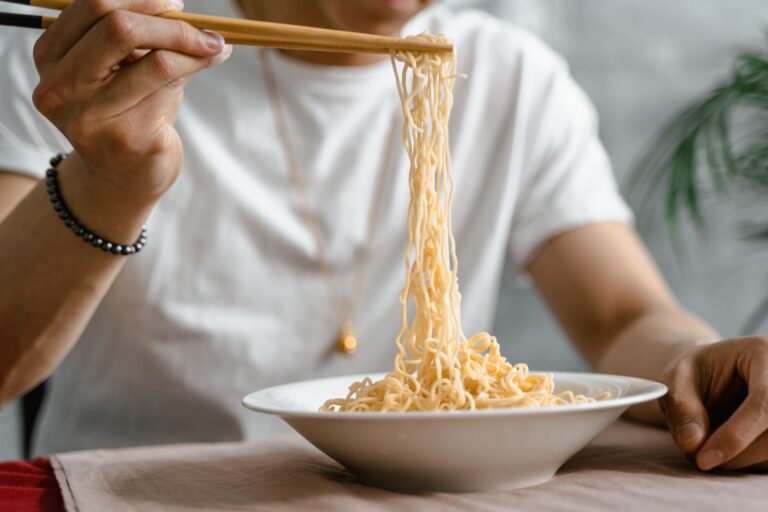
Proper consumption of Hokkien mee requires technique. The noodles should be eaten immediately, while they retain their textural integrity and the sauce is still clinging to each strand. Use chopsticks to lift and twirl, then bring the bundle to your mouth — this isn’t dainty eating, and that’s the point.
The sambal is your co-star, not a mere garnish. Mix a generous spoonful through the noodles to add heat and brightness that cuts through the richness. Squeeze of lime adds final acidity. If your hawker stall offers pickled green chili or preserved radish, deploy them liberally.
Hokkien mee pairs beautifully with iced Chinese tea or a cold beer — something to refresh your palate between bites.
Where to Experience Authentic Hokkien Mee
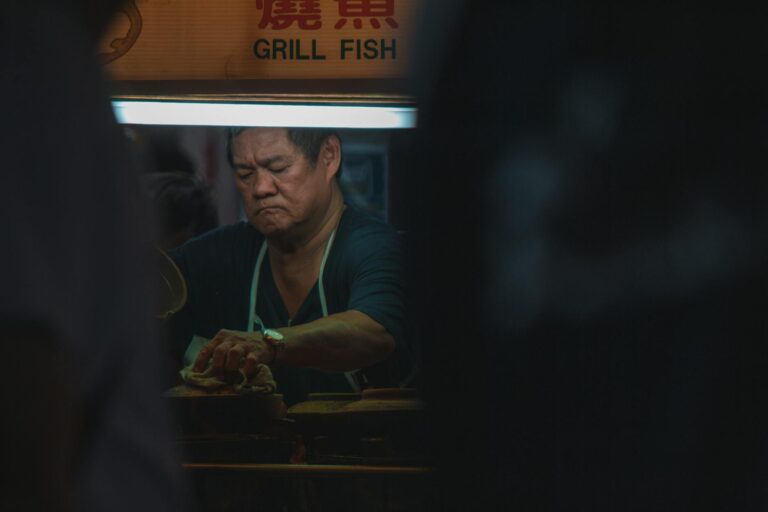
Seek out established hawker centers like Tian Tian (Maxwell Food Centre) or smaller neighborhood stalls where the vendor has been perfecting their craft for decades. The best Hokkien mee stalls are identifiable by their dedicated prawn stock pot, continuously simmering and improving with each batch.
For international readers seeking this experience, Singaporean restaurants in London, Sydney, and US cities are increasingly offering refined versions of this hawker classic, though something irreplaceable exists in eating it al fresco in a sticky-floored hawker center at 11pm.
The Verdict: Why Hokkien Mee Deserves Your Attention
Hokkien mee represents everything magical about hawker culture: maximum flavor from humble ingredients, technique refined through countless repetitions, and food that nourishes both body and soul. It’s not pretentious. It’s not complicated. It’s simply honest, delicious noodles that have earned their place among Singapore’s most iconic dishes.
Whether you’re planning a Singapore food pilgrimage or seeking out Hokkien mee in your own city, approach each bowl with respect for the tradition it represents. This is where Chinese cooking techniques, immigrant innovation, and Southeast Asian ingredients converge into something unforgettable.