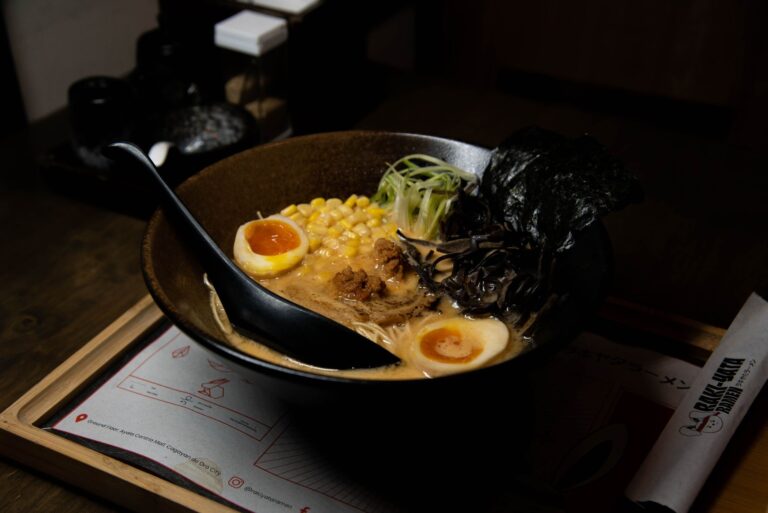
Tokyo
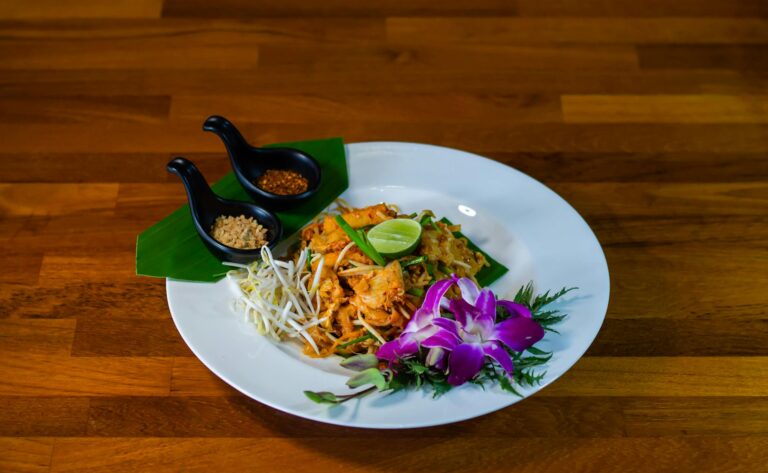
Tokyo Bangkok
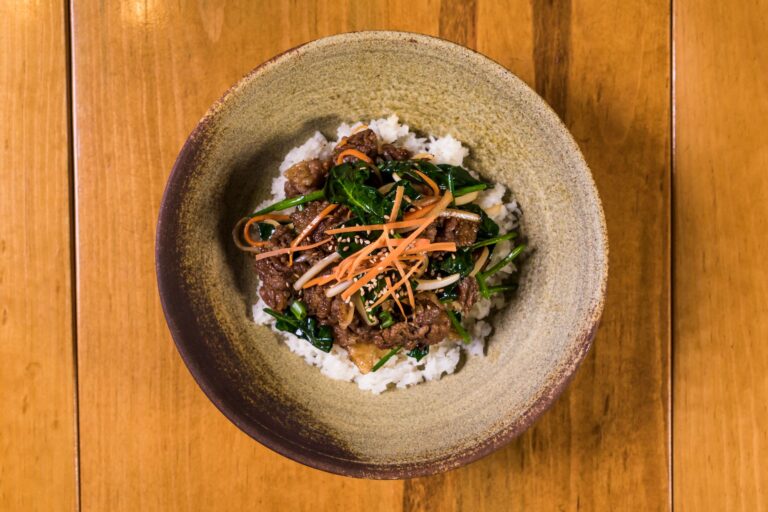
 Seoul
Seoul Singapore
Banh Cuon: Vietnam’s Steamed Roll Beyond Pho and Banh Mi

The scent hits first—steam rising from a Hanoi street cart, carrying pork and wood smoke. A vendor pours rice batter onto cloth stretched over boiling water, waits four seconds, then flips it onto a banana leaf. Minced pork, shrimp, mushrooms go inside. Thirty seconds later: banh cuon—Vietnam’s most elegant street food that most Westerners miss completely.
Why Western Diners Skip Over It
Vietnamese restaurants abroad serve pho and banh mi constantly. Banh cuon? Buried in appetizers. Not the dish’s fault—it’s too subtle. No dramatic broth, no crunchy bread. Just whisper-thin rice paper with quiet flavors. A side of nuoc cham for dipping, no heavy sauces. Most diners want bold flavors that shout. Their loss.
The Technique That Separates Good From Exceptional
Watch any Hanoi vendor long enough and you’ll see the magic is in the details. Near Hang Bac Street, Linh (30 years experience) keeps her cloth at perfect heat. Too hot cracks the batter. Too cool makes it gummy. She pours just enough batter, lets it spread naturally, pulls back in one motion. The result: tender, translucent wrappers. Filling stays simple—pork with mushrooms and shallots. Some add shrimp. Others prefer wood ear mushrooms. These aren’t random choices. They’re family recipes, regional traditions.
Where to Find Real Banh Cuon (And What to Expect)
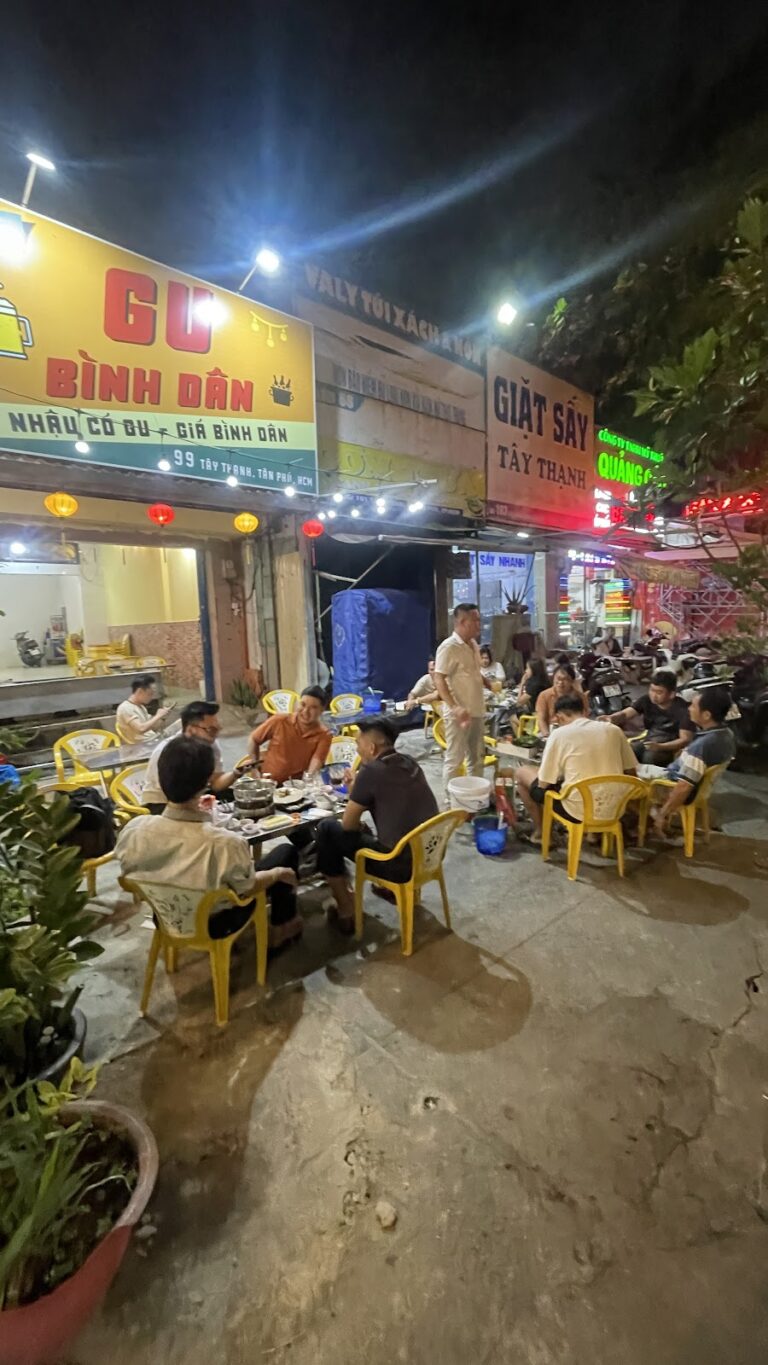
Skip restaurants. Banh cuon belongs on sidewalks, eaten with your fingers. Hanoi’s best spots near Hang Bac or Hang Dieu sell out by mid-morning—it’s breakfast food. Ho Chi Minh City? Try Ben Thanh Market stalls. Da Nang’s Han Market vendors nail it too. At 10,000 dong (under 50 cents) per roll, order several. The nuoc cham should balance lime and fish sauce with chili heat. Pros sometimes squeeze lime directly on the wrapper before rolling. Whole experience takes five minutes. Tastes linger for years.
Visiting Vietnam? Ditch the touristy pho joints. Find a banh cuon cart. Order without thinking. Eat standing at a wobbly plastic table. Watch the vendor work. This isn’t food for Instagram—it’s what locals eat before sunrise.