Tokyo
Tokyo Bangkok
 Seoul
Seoul Singapore
Com Tam: Vietnam’s Daily Staple Beyond Pho and Banh Mi

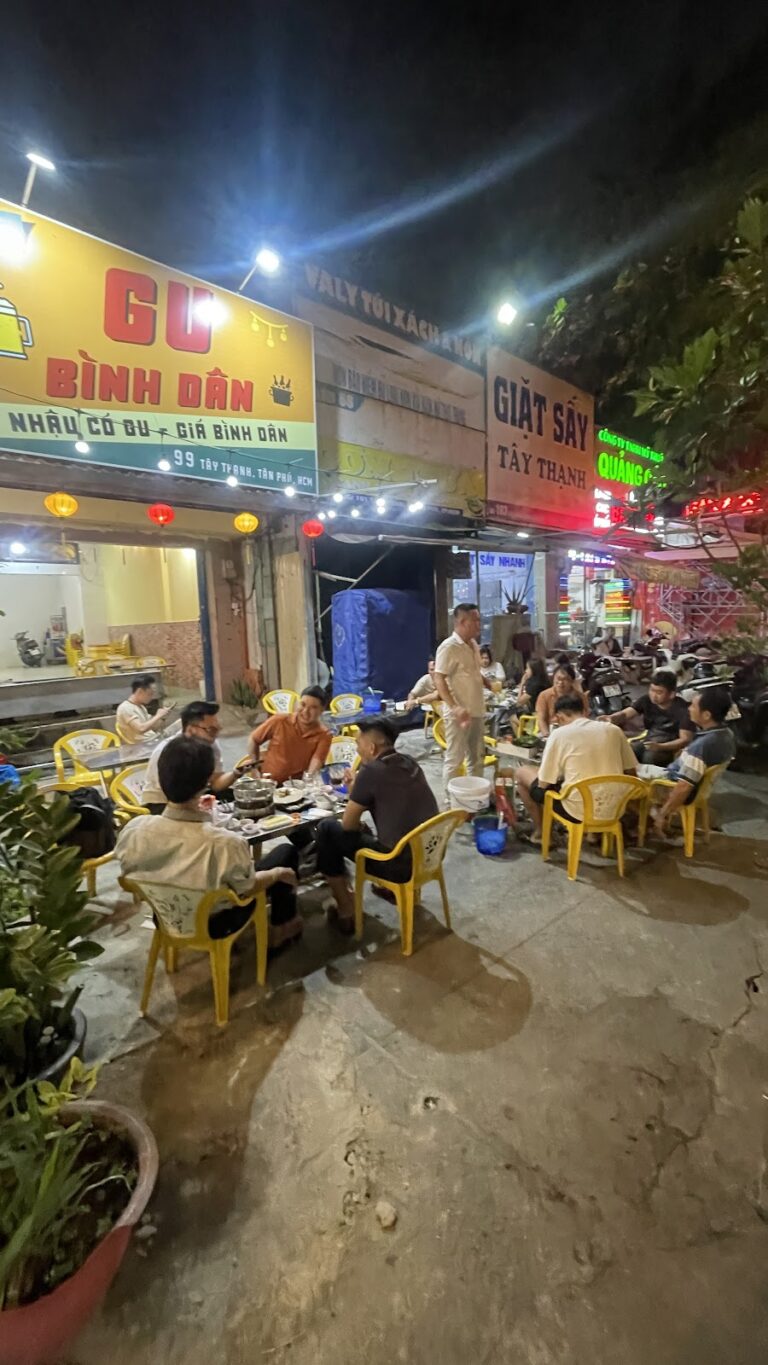
Step up to any com tam stall in Ho Chi Minh City at dawn, and you’ll find construction workers, office staff, and students grabbing styrofoam boxes of broken rice. This isn’t food for Instagram. It’s what real people eat when they need fuel fast. Com tam—literally “broken rice”—actually outsells pho in Vietnam, yet you’ll hardly find it mentioned in guidebooks. That mismatch between tourist menus and local reality? That’s why com tam matters.
The Broken Rice That Built a Cuisine
Com tam was born from necessity, not nostalgia. Rice mills produce broken grains as byproducts—pieces too small to sell as premium jasmine rice. Vietnamese cooks turned this into an advantage: the fragments cook up fluffier and soak up sauces better than whole grains. What began as thrift became tradition. The rice has a slightly grainy bite, like risotto but drier, that holds flavors differently. In Saigon’s District 1, com tam costs 25,000-35,000 VND (about $1-1.50 USD) per meal. These are real-world prices. Breakfast for a laborer. Lunch for a student. Dinner when money’s tight. The dish caught on because it works, not because it’s fashionable.
The Toppings That Make It Infinite
Com tam’s brilliance is in its customizability. Pick your protein, and the stall does the rest. Grilled pork chop (com tam suon nuong) remains the classic—caramelized meat glazed with fish sauce, laid over warm rice to let the juices sink in. Other options? Chicken (com tam ga), fried egg (com tam trang), crab (com tam cua)—all similarly priced. Most places throw in a small broth, some cucumber slices, and pickled veggies. Those pickles aren’t just garnish—they cut through richness and help digestion in the sweltering heat. At Thanh Huong on Nguyen Hue Boulevard, their pork chop version comes with fried shallots perfected over 20 years. Those shallots aren’t just topping—they’re texture. Some stalls even do a pate and sausage combo (com tam pate), blending French influence with Vietnamese practicality.
Why It Disappeared From Export Menus
Vietnamese restaurants abroad rarely serve com tam, and there are solid reasons. It doesn’t photograph well—broken rice looks messy compared to pho’s clean broth. No exotic backstory. Too cheap to mark up enough. Most importantly, it needs high volume—200+ orders daily—to turn a profit. Restaurant economics in New York or Melbourne can’t support that. You’d need to charge $12-15 for what costs $1 locally, and customers won’t bite. So com tam stayed home, which explains why few outsiders know it. The dish thrives in its natural habitat—fast, cheap, constantly fresh—and resists being transplanted. That’s not a weakness. That’s the real deal.
If you’re in Vietnam, bypass the touristy pho spots. Find a com tam stall with a queue, point at what the regulars are having, and eat perched on a plastic stool. You’ll learn more about Vietnamese food culture in that ten minutes than from any fancy dinner. Com tam isn’t fancy or rare. It’s everyday, efficient, and absolutely worth your time precisely because it doesn’t care if you’re impressed.