Tokyo
Tokyo Bangkok
 Seoul
Seoul Singapore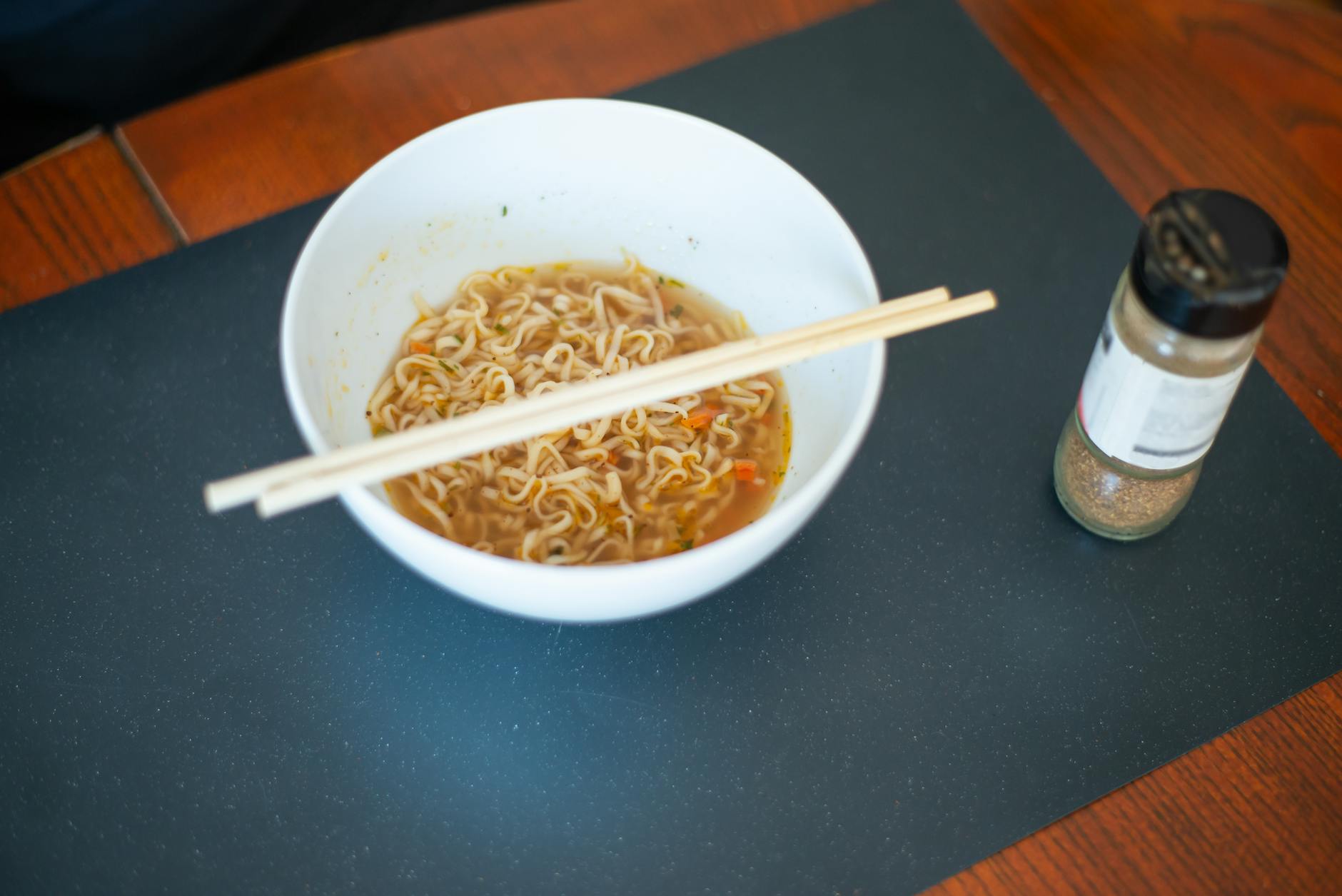
Mazemen: Japan’s Beloved Noodle Dish Explained
In Fukuoka, chefs toss steaming ramen noodles with sauce using just chopsticks and a wooden spoon – their hands moving so fast the noodles seem alive. That’s mazemen: not just noodles with sauce, but a whole technique that turns simple ingredients into something special. And it’s shockingly easy to make at home.
What Mazemen Actually Is (And Why It Matters)
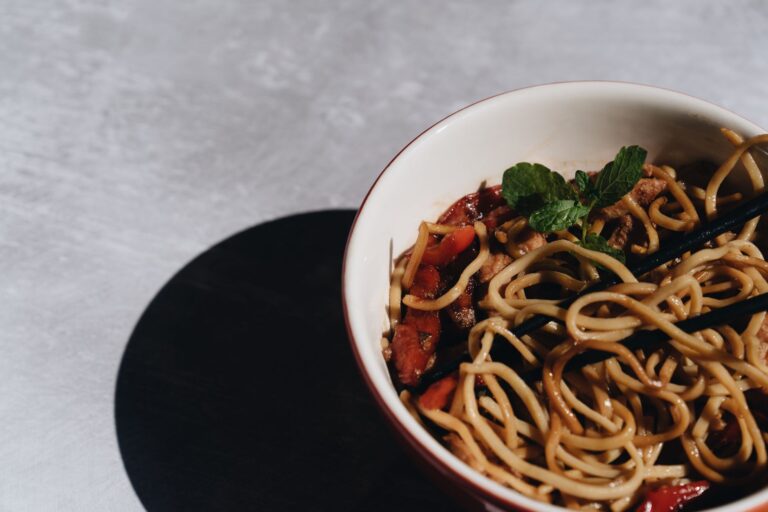
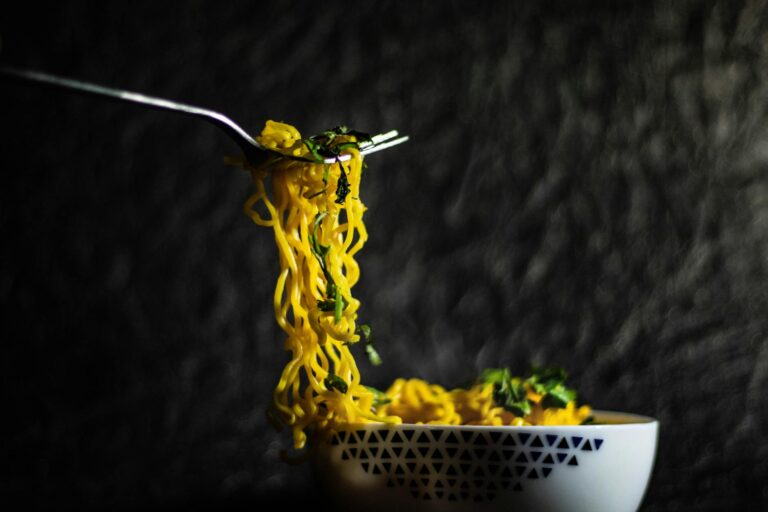
Mazemen means “mixed noodles,” but that’s selling it short. Unlike broth-based ramen, this is about coating hot noodles with concentrated sauce, toppings, and sometimes an egg. The real trick? Tossing everything together so the starches create a creamy, clingy texture naturally. No cream needed.
First attempts often go wrong. Many people just make ramen with less broth, which misses the point entirely. The sauce needs to be thick – usually a mix of tare seasoning, oil, maybe miso or soy. When hot noodles hit the sauce, magic happens. It’s like how pasta carbonara comes together. The result feels rich but isn’t heavy, perfect for when you want something quick or when it’s too hot for steaming broth.
Regional Styles Worth Knowing About
Fukuoka does mazemen right. Their version packs intense flavor – dark tare sauce with soy and miso, topped with ground pork, soft egg, and crispy garlic. Places in Hakata Ramen Yokocho (that cramped alley full of tiny shops) each put their own spin on it, but they all understand umami.
Tokyo takes a lighter approach. One small Shibuya spot serves theirs with delicate chicken-seafood tare and just a hint of sesame oil – thinner noodles, fewer toppings. Then there’s Nagoya’s version: heartier, earthier, built around miso. Different regions, different styles. What ties them together? Respect for the noodles. The sauce should complement, not drown them.
Finding Great Mazemen Beyond Japan
Good news – mazemen is catching on worldwide because it’s delicious and simpler than broth ramen. London’s Bone Daddies and Koya do solid versions. Sydney’s CBD has a few decent attempts. In New York, Ichiran sometimes offers it (ask if you don’t see it on the menu).
Most Western ramen shops stick to broth – it’s what customers expect. Good mazemen requires specific skills and sauce balance. When you find it done right, you’ll know immediately: noodles with character, perfectly coated, satisfying without being heavy. If your local spot doesn’t serve it? Ask anyway. Customer requests shape menus. And honestly? Once you get the technique down, making mazemen at home is dead simple. Good noodles, strong sauce, quality toppings – that’s all you need.
Go Fukuoka-style for bold flavors, Tokyo-style for something more refined. Either way, you’re eating something that’s become a Japanese staple for good reason – it’s fast, filling, and when done well, completely addictive.