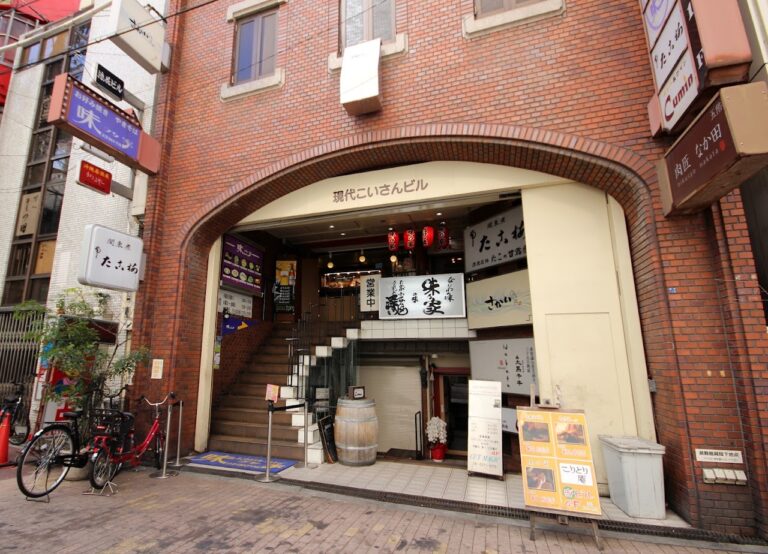
Tokyo
Tokyo Bangkok
 Seoul
Seoul Singapore
Oyakodon: Japan’s Everyday Comfort Bowl Explained
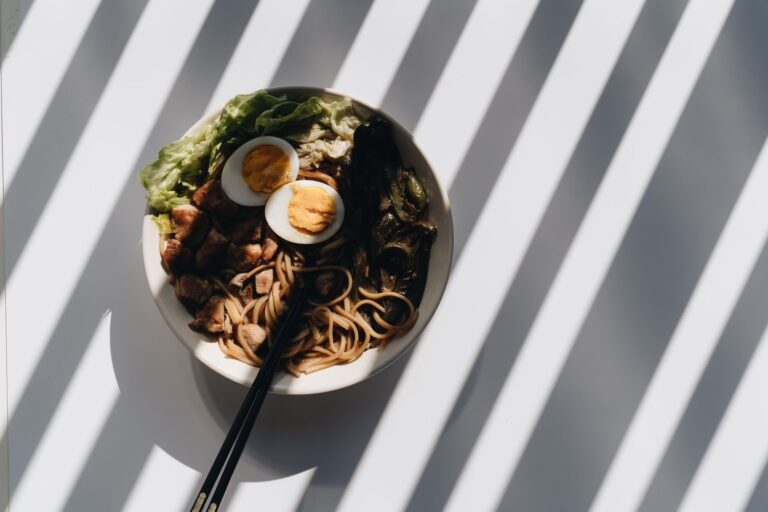
Step into any no-frills Japanese eatery at lunchtime and oyakodon dominates the tables—not for being fancy, but because it’s fast, filling, and under ¥1,200. This is what salarymen wolf down between meetings, students inhale before exams, and home cooks make when they’re too tired for effort. It’s not trying to impress. It just gets the job done.
Oyakodon is rice topped with chicken and onions simmered in egg-thickened sauce. The name? Literally “parent-and-child bowl”—chicken (parent) meets egg (child). No deep philosophy here.
Why Oyakodon Works for Everyday Life
Its brilliance lies in simplicity. Done right, it takes four minutes. Simmer dashi with onions and chicken, pour beaten eggs over the bubbling mix. The eggs should set just enough—creamy, not rubbery. That texture makes or breaks it.
Born in post-war Japan when cheap, hearty meals mattered, oyakodon became a staple at casual spots by the 1960s. Unlike ramen or tempura, it requires zero special skills or equipment. Anyone can make a decent version. That’s why it stuck around.
Locals obsess over details tourists miss. Eggs should ribbon through the broth, not scramble. Onions—thick enough for bite, thin enough to soften. Chicken thigh (juicy) versus breast (clean) starts arguments. Every family and region has their take.
Regional Twists Worth Noting
Kyoto’s versions lean lighter, sometimes with mitsuba leaves. Osaka goes for heartier dashi and sweeter sauce. Hiroshima plays with the name—their “oyakodon” swaps chicken for local oysters. Clever.
Tokyo keeps it classic: good dashi, fresh eggs, tender chicken, sweet onions. No surprises. Places near Tsukiji market have served the same version for generations—why mess with perfection?
Skip tourist traps. Follow office workers to lunch counters near train stations. Tamahide in Ningyocho (open since 1833) gets press, but the real gems are unmarked spots with lines of regulars by noon.
Finding Good Oyakodon Abroad
It travels well—the method’s forgiving, ingredients basic. London, Sydney, and NYC all have decent versions. The catch? Most places skimp on proper dashi, settling for instant powder or worse, just soy sauce. Tastes flat.
Seek out spots making real dashi from scratch. Egg quality matters too—fresh ones create that silky texture instead of grainy clumps. Most cities with a Japanese community have at least one place that nails it.
Try making it yourself. Grab quality dashi powder (Shimaya’s works), fresh eggs, decent chicken. Master the egg pour. You’ll see why millions eat this without thinking—it’s Tuesday night dinner at its best.