Tokyo
Tokyo Bangkok
 Seoul
Seoul Singapore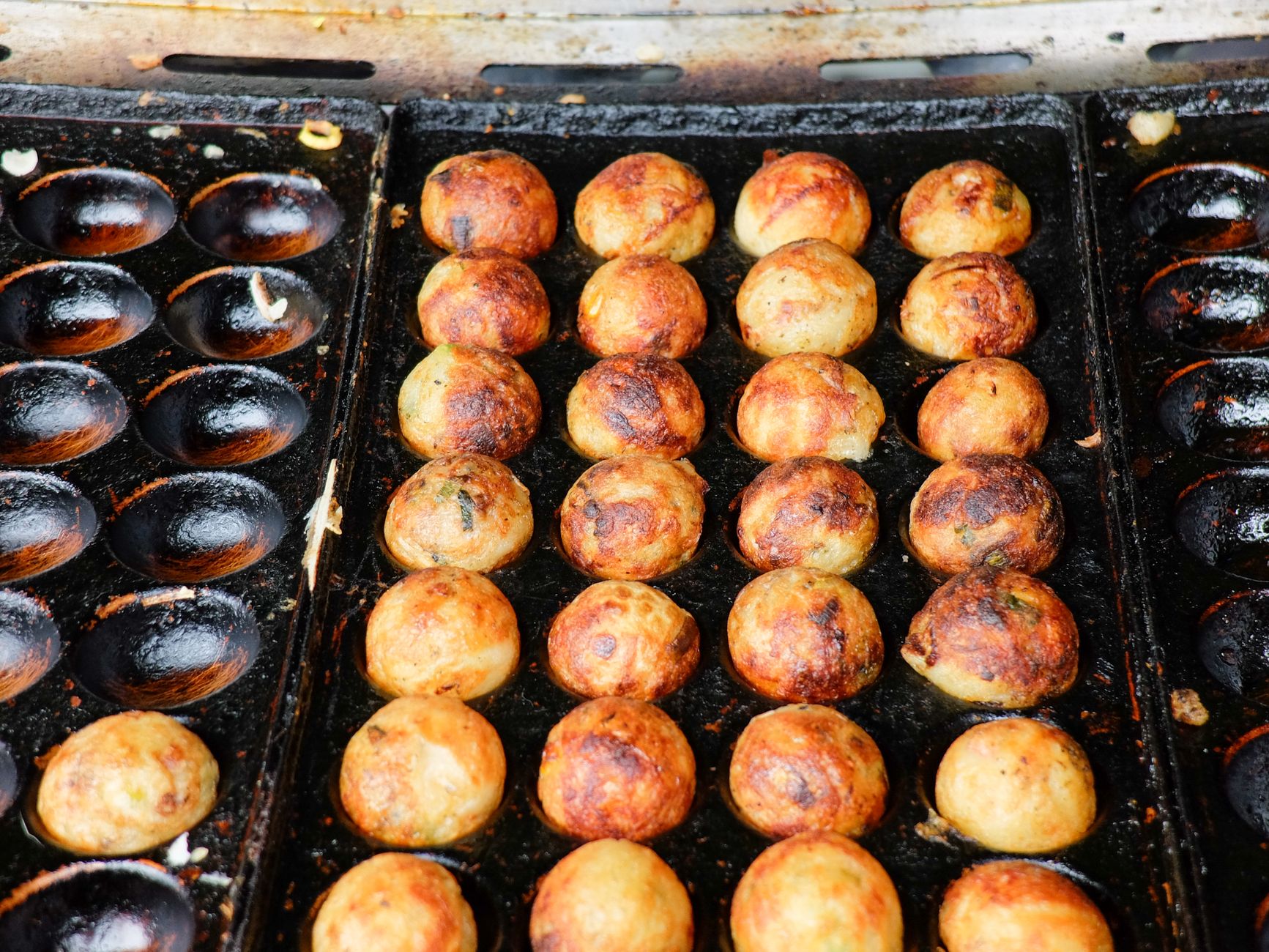
The Best Takoyaki in Osaka: Where to Find Japan’s Perfect Octopus Ball
Why Osaka Owns Takoyaki (And Why You Should Care)
Think you’ve had good takoyaki? Not until you’ve tried it in Osaka. The city didn’t invent it—that was Chōjirō Endo in 1935—but they’ve spent decades perfecting it. Dotonbori’s streets prove takoyaki isn’t just food here. It’s an art form. What separates average from amazing? Three things: octopus quality, batter skills, and how they flip those balls. Osaka masters all three.
5 Must-Try Takoyaki Spots
1. Takoyaki Mahō-dako (4.9★ | 1,090 reviews)
Kita Ward’s Doshin district hides this takoyaki legend. A thousand reviews don’t lie—Mahō-dako nails it every time. Big chunks of octopus you can actually taste. Crispy outside, creamy inside. No gimmicks, just locals lining up for the real deal.
2. Takoyaki Senju (4.9★ | 763 reviews)
Shinsekai’s underdog that punches above its weight. Naniwa Ward regulars swear by Senju’s perfect centers and old-school techniques. The area itself is takoyaki ground zero—this spot keeps that street food spirit alive.
3. TAKOYAKI LAB (4.8★ | 1,335 reviews)
Chuo Ward’s interactive takoyaki experience. Part restaurant, part hands-on workshop where you cook your own at shared tables. Over a thousand reviews prove it’s more than a novelty—people actually learn something while drinking sake.
4. OKO Takoyaki (4.8★ | 1,000 reviews)
Higashishinsaibashi’s game-changer. They’ve cracked vegan takoyaki without sacrificing texture—no easy feat. A thousand reviews from plant-based eaters and curious meat-lovers alike. Proof that technique matters more than ingredients.
5. Abeno Takoyaki Yamachan (4.4★ | 2,010 reviews)
Umeda’s reliable crowd-pleaser. Not the fanciest, but with 2,010 reviews, clearly doing something right. Fast, consistent, and right in LUCUA mall—perfect when you need a takoyaki fix between shopping.
What Sets Osaka’s Takoyaki Apart
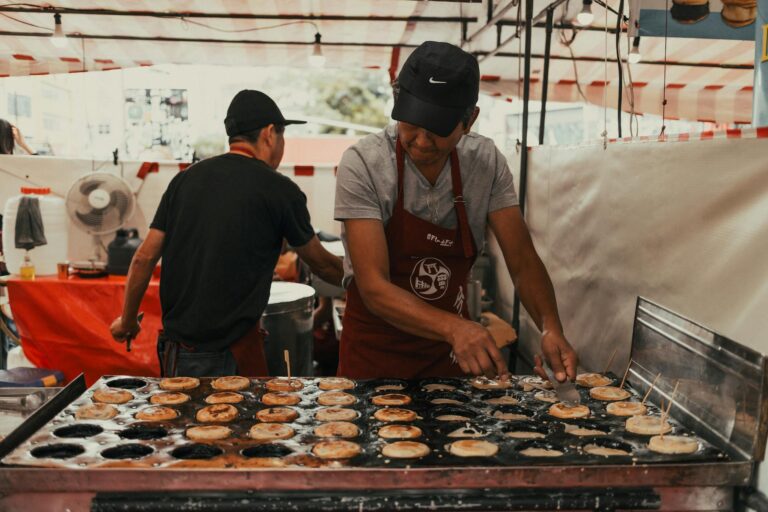
Every city has takoyaki. Osaka’s version plays by different rules. First, size matters—golf ball-sized means better texture. Second, they use fresher octopus (coastal access helps). Third, the flipping technique is almost theatrical. Watch a pro work the griddle and you’ll understand.
Competition keeps standards high. Dozens of shops constantly one-upping each other means you’ll find everything from classic recipes to wild experiments (cheese-filled? spicy mayo drizzle?). Purists and adventurers both eat well here.
Eating Takoyaki Like a Local
Timing: Lunch rush (11am-1pm) and dinner (5pm-9pm) get busy. For breathing room, try mid-afternoon—though some places close between meals. Evenings in Dotonbori? That’s when the magic happens.
Ordering: Start with plain to judge a place’s skills. Toppings come later—sauce, mayo, dancing bonito flakes, seaweed powder. All part of the show.
The drill: Eat it hot, usually standing up. 6-8 balls will run you ¥500-¥1,000 ($3.50-$7). Pair it with beer or chu-hi like any self-respecting Osakan.
Want to try making it? MOMO to SAKE (5★ | 52 reviews) and TAKOYAKI LAB let you get hands-on. You’ll mess up. Everyone does. That’s half the fun.
Final Word
Osaka’s takoyaki scene shows what happens when a city obsesses over one dish. What looks simple—batter and octopus—becomes something extraordinary here. Whether you’re at a street stall or trying not to burn your own balls at TAKOYAKI LAB, you’re tasting decades of refinement. In Osaka, takoyaki isn’t just food. It’s a way of life.