Tokyo
Tokyo Bangkok
 Seoul
Seoul Singapore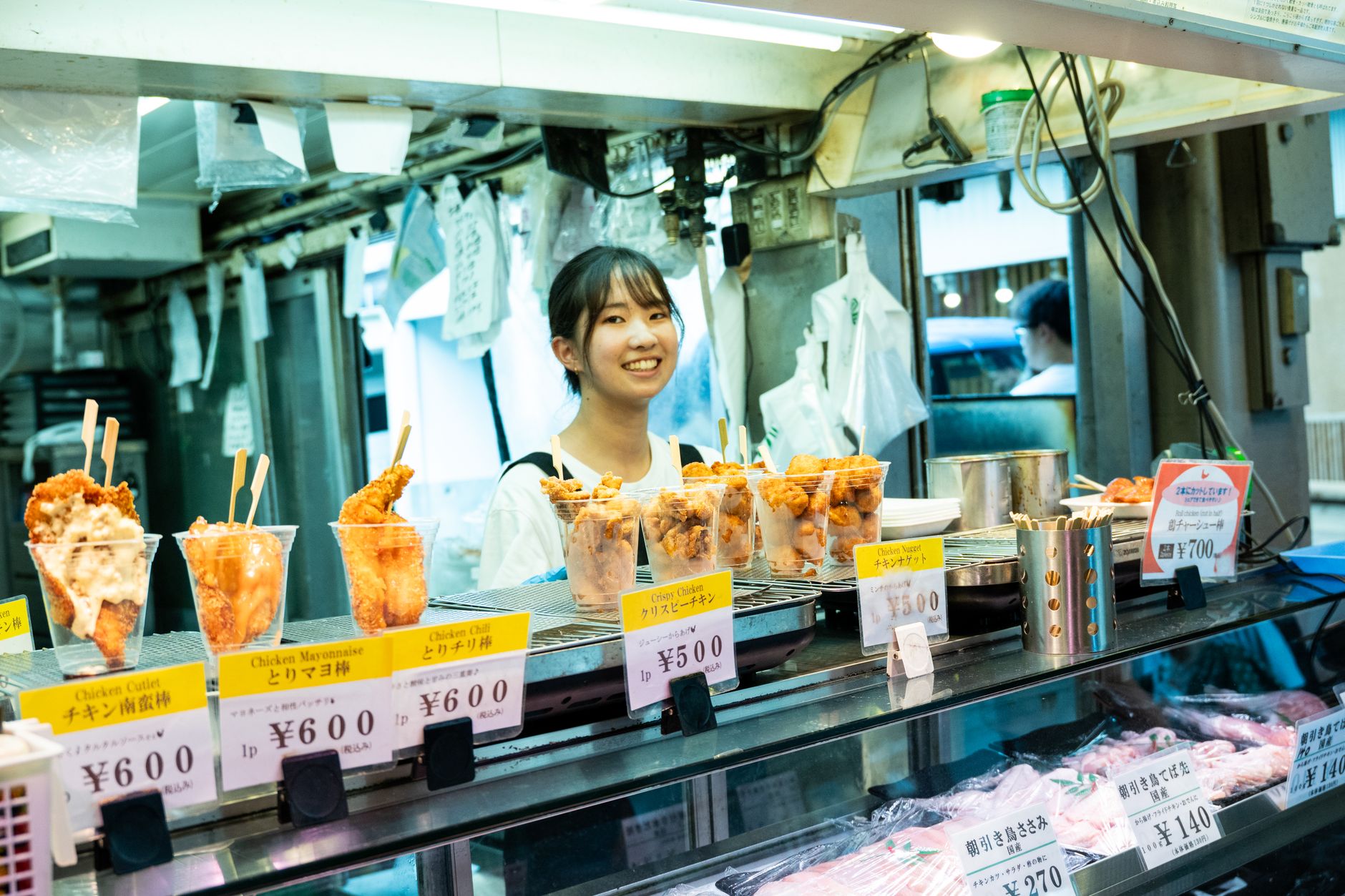
Osaka Food Guide: Dotonbori to Kuromon Market Eats
In Osaka, eating okonomiyaki for lunch on a Tuesday is just normal life. People line up at takoyaki stands before work—not for Instagram, but because they’re hungry. The city’s food scene isn’t flashy; it’s practical. From Dotonbori’s alleyways to Kuromon Market’s early hustle, food is woven into everyday routines here. Eating well isn’t a luxury; it’s a given.
Dotonbori: Where Locals Eat Amid the Chaos
Sure, Dotonbori is touristy, but locals still eat here daily. They know where to go. The side streets are where it’s at—covered shopping arcades where salarymen grab gyudon at exactly 11:45 AM. Places like Matsusakagyu Yakiniku M’s serve A5 wagyu by the gram, and you’ll see office workers devouring it at the counter, no fuss. Okonomiyaki shops here aren’t for show—they’re for construction workers and nurses on break. A proper Osaka okonomiyaki, layered with negiyaki and topped with bonito flakes that dance from the heat, costs around ¥800-1000. The best ones cook the takoyaki right into the batter.
Kuromon Market: Osaka’s Real Food Beat
Kuromon Market runs on its own clock. Arrive after 10 AM, and you’ve missed the action. Fishmongers and vendors have already done half their day’s business. Locals come here for specifics: fresh uni from Hokkaido, live prawns from that morning. Eating happens at market stalls—small counters serving kaisendon with seafood gutted just minutes ago. You’ll get a bowl of rice topped with whatever’s fresh: scallop, toro, sweet shrimp. Eat standing up while the vendor wraps your take-home order. Takoyaki here changes depending on the season—baby octopus makes all the difference.
Beyond the Hype: Neighborhood Eats
Osaka’s real food scene thrives in neighborhoods tourists rarely see. Shinchi and Fukushima have ramen shops that’ve been around for decades, serving tonkotsu to regulars every morning. Yakitori spots in these areas open at 5 PM, catering to after-work crowds. These aren’t Instagram spots—they’re where locals spend their money. Okonomiyaki places in Shinchi vary by chef—some lean Hiroshima-style with thinner batter, others stick to thick and doughy. Neighborhood takoyaki stands compete on octopus quality and oil temperature, not looks. Vendors tweak octopus size and cooking time with the seasons.
Exploring Osaka’s food means letting go of chasing one “authentic” experience. Eat when you’re hungry, where locals eat. Stand at a counter during lunch rush. Choose a takoyaki vendor who’s been at it for years, not one with a shiny shop. Hit Kuromon Market before 10 AM. Osaka’s food culture thrives because eating isn’t a special occasion—it’s everyday life.