Tokyo
Tokyo Bangkok
 Seoul
Seoul Singapore
Korean Anju: The Science of Drinking Food
Korean drinking culture runs on a rule most Western bars skip: drinking without food is seen as rude and wasteful. This isn’t just manners—it’s science. The carbs and protein in anju (안주, literally “side dish for alcohol”) slow down alcohol absorption, balance blood sugar, and deliver the salty, savory flavors that stretch drinking sessions for hours. No anju? You’ll be hammered in half an hour. With it, that soju or makgeolli keeps the conversation flowing instead of knocking you out.
Makgeolli Demands Different Snacks Than Soju—And Chemistry Explains Why
Makgeolli is a milky, slightly sweet rice wine (6-8% ABV) with tiny bubbles and a grainy texture from leftover rice bits. Soju is crystal clear, stronger (16-20% ABV), and burns going down. These aren’t minor differences—they dictate which snacks work best.
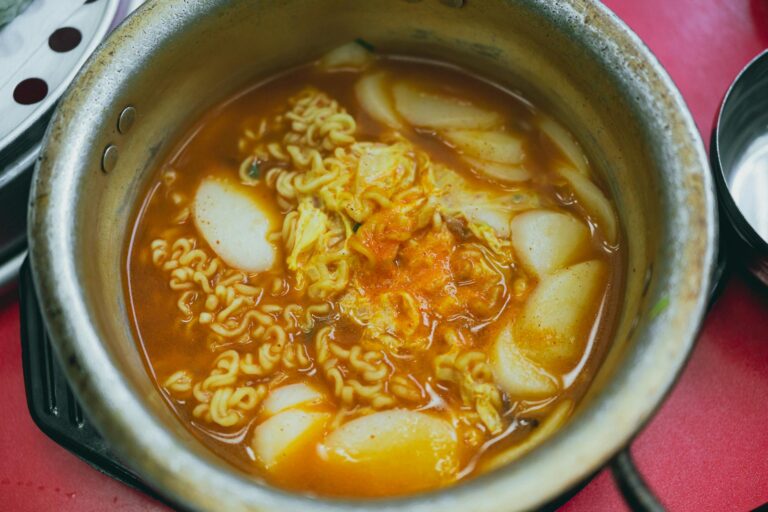
Makgeolli calls for pajeon (파전, scallion pancakes), bindaetteok (빈대떡, crispy mung bean fritters), or tteokbokki (떡볶이, chewy spicy rice cakes). What do these share? Starch, subtle sweetness, and interesting textures. The carbs balance makgeolli’s sugar, while salt cuts through its thickness. Pajeon’s crisp edges and soft middle keep each sip interesting.
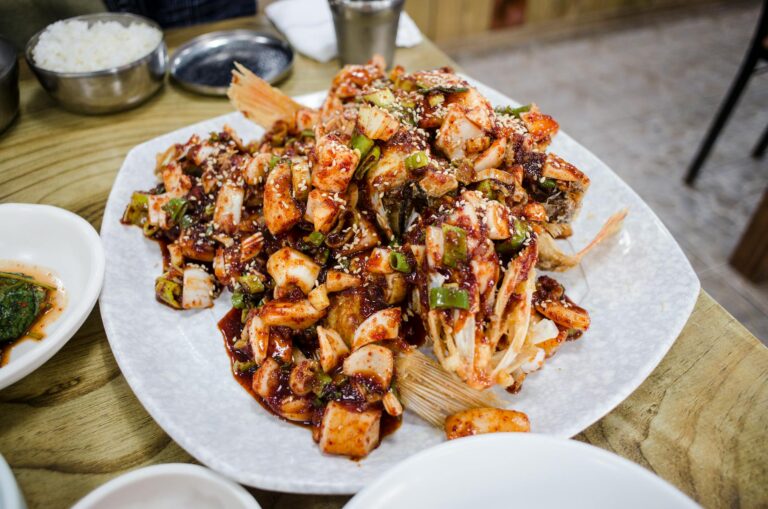
Soju needs richer partners: fried chicken (yes, chimaek works with soju too), gyeran mari (계란말이, fluffy rolled eggs), or nakji bokkeum (낙지볶음, spicy stir-fried octopus). These pack serious umami and fat, which soften soju’s harsh burn. The crunch helps too—you’ll need it after multiple shots.
This isn’t random tradition. Makgeolli’s starchy snacks slow alcohol absorption; soju’s protein-heavy sides help your liver cope. Koreans didn’t just guess—they perfected this over centuries.
Where to Experience Authentic Anju: Seoul’s Pojangmacha and Specialty Bars
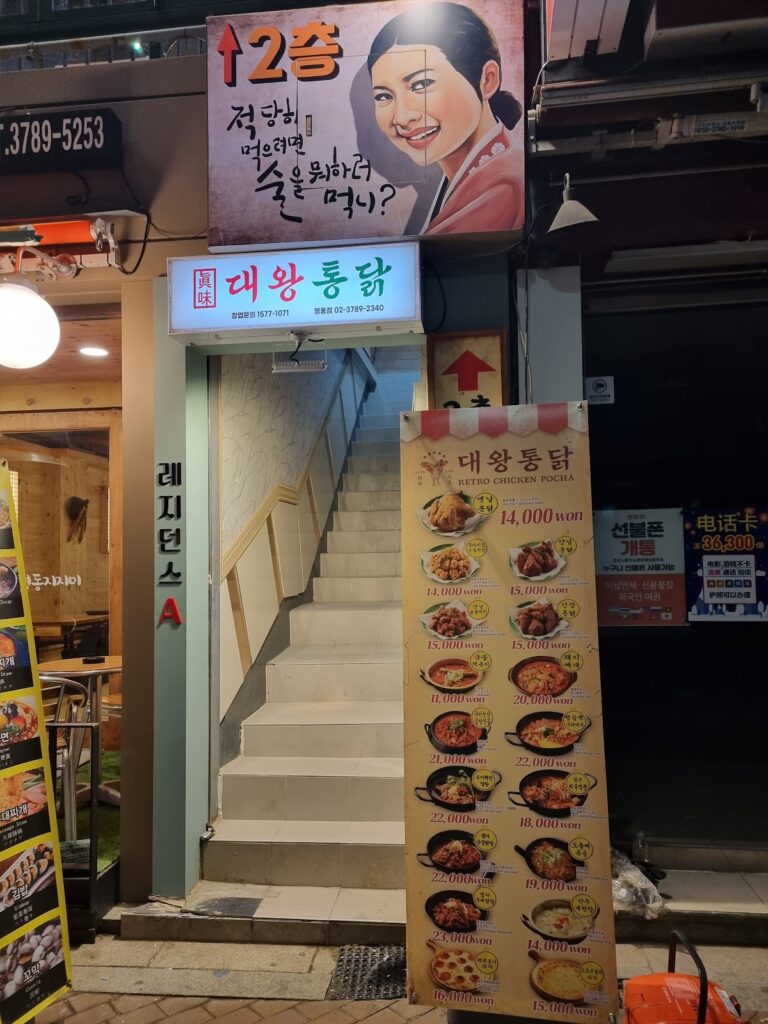
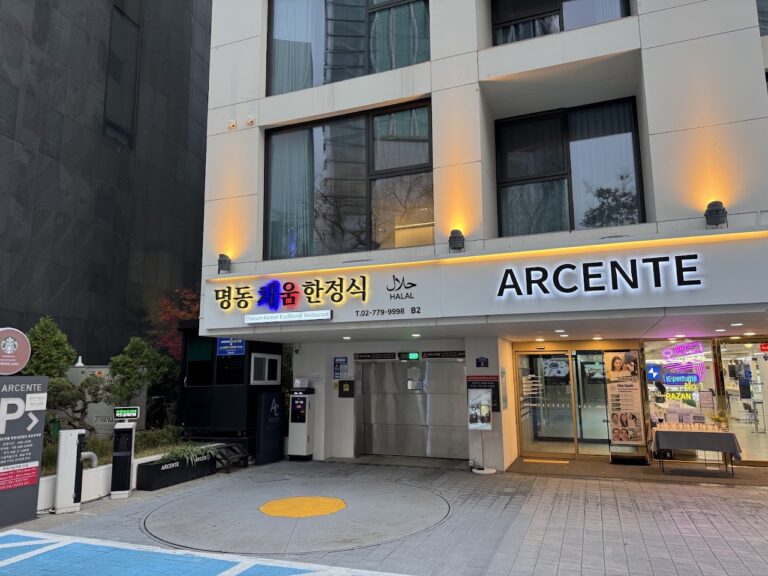
Seoul’s pojangmacha (포장마차, street tents) in Myeongdong, Gangnam, and near universities serve anju like clockwork. Order makgeolli near Hongik University and you’ll get pajeon or bindaetteok without asking—they know the drill. Makgeolli runs $3-5 a bottle; snacks cost $4-8.
For soju, hit a soju-bang (소주방) in Itaewon or Gangnam. Grab a bottle of Chum Churum or Jinro (the big brands—not fancy, just reliable), and the server brings gyeran mari, kimchi jjim (김치찜, stewed kimchi), maybe some octopus. Timing matters—the food arrives before you finish your first glass, keeping the pace.
Outside Korea, most places mess this up. US and UK Korean spots serve makgeolli with rice sides, not proper drinking snacks. Australia does better—check Goro in South Yarra or spots in Box Hill for closer-to-Seoul pairings.
The Honest Truth: Anju Portions Are Deliberately Insufficient
Korean bars serve tiny anju portions—like two pancake slices or a small bowl of rice cakes. Not cheapness. Strategy. Big portions would fill you up, killing the drinking vibe. Small bites keep you thirsty for another round. Bars profit from alcohol sales, not food—anju exists to keep you drinking longer.
Seasoned drinkers order more snacks, not more booze. A typical night means 1-2 bottles with 4-6 different anju dishes. This stretches the fun and avoids the messy drunk that comes from empty-stomach drinking.
Try it yourself: makgeolli with pajeon at a Seoul pojangmacha or your local Korean joint. Sip, nibble, repeat. You’ll quickly get why this system works.