Tokyo
Tokyo Bangkok
 Seoul
Seoul Singapore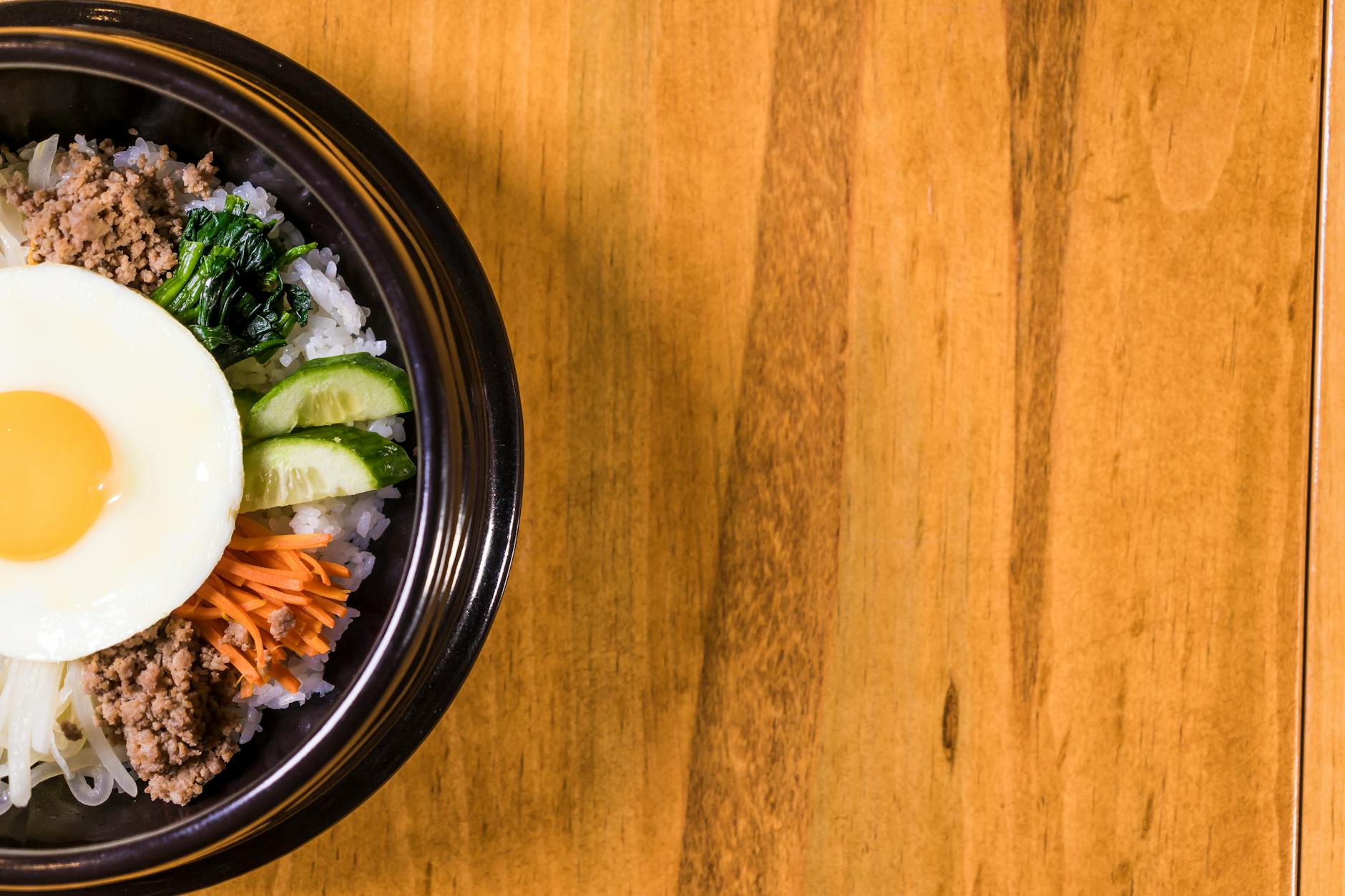
Bibimbap Guide: History, Regional Styles & How Koreans Eat It
The moment you step into Seoul’s Gwangjang Market, the air hits you—earthy sesame oil, spicy gochujang, and the clatter of metal against stone. Watch as a seasoned ajumma works her stall with practiced ease, cracking eggs into sizzling bibimbap bowls without missing a beat. This is the real deal. Not the polished versions from Gangnam restaurants, but the messy, vibrant heart of Korean street food.
From Royal Leftovers to Everyday Comfort: Bibimbap’s Humble Start
Bibimbap wasn’t always a quick lunch option. It began in the Joseon Dynasty as a clever way to use up palace kitchen scraps—leftover veggies and rice transformed into something special. The name literally means “mixed rice,” which sounds simple until you taste it. Throw in whatever’s fresh, add protein, drizzle with gochujang and sesame oil, and suddenly scraps become a meal with purpose.
Everything changed after the Korean War. The dish jumped from royal tables to street carts, becoming the go-to meal for workers and students. By the 1960s, it was everywhere. That history explains why there’s no single “right” way to make bibimbap. The regional twists? They’re not accidents—they’re the soul of the dish.
North vs South: How Geography Shapes Your Bowl
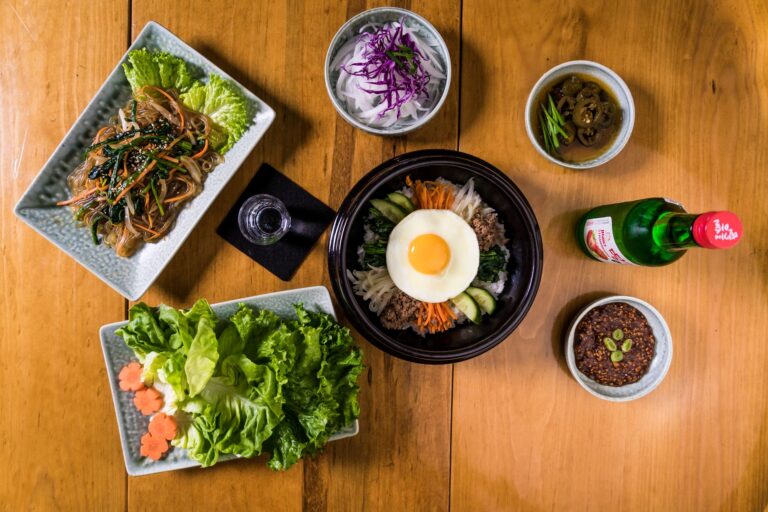
Jeonju’s version is the one most copied abroad, and it’s easy to see why. Tender bulgogi beef, raw egg yolk, and a precise mix of veggies like perilla leaves and bean sprouts come in a scorching-hot stone bowl. The magic happens when you scrape up the crispy rice from the bottom, mixing it all together.
Down in Tongyeong, they do things differently. Raw fish replaces beef, and gochujang mayo stands in for the straight-up spicy paste. The result? Lighter, brighter, almost unrecognizable as the same dish. Busan piles in kimchi and seafood. Gwangju keeps it strictly vegetarian. Anyone who claims there’s only one authentic version hasn’t traveled enough.
The Art of Eating Bibimbap: A Race Against Time
Here’s how to spot a local: they treat bibimbap like a timed event. When that stone bowl lands on your table, you’ve got about 120 seconds before the rice turns from perfectly crisp to burnt. Mix fast, scraping up every bit of crunchy goodness from the bottom. That texture contrast—soft rice, crispy bits, crunchy veggies—is everything.
Wait to add the gochujang until after mixing. Adjust the heat to your taste. And eat quick—this isn’t a dish for lingering. The temperature drop changes everything. (Yes, cold bibimbap exists, but it’s a whole different experience.)
Skip the fancy spots next time you’re in Korea. Find a hole-in-the-wall where the ajumma looks like she could make bibimbap in her sleep. Watch the regulars. Mix immediately. Scrape hard. Add sauce to taste. You’ll finally get why this dish has stuck around—it’s fast, adaptable, and absolutely delicious when you catch it at just the right moment.