Tokyo
Tokyo Bangkok
 Seoul
Seoul Singapore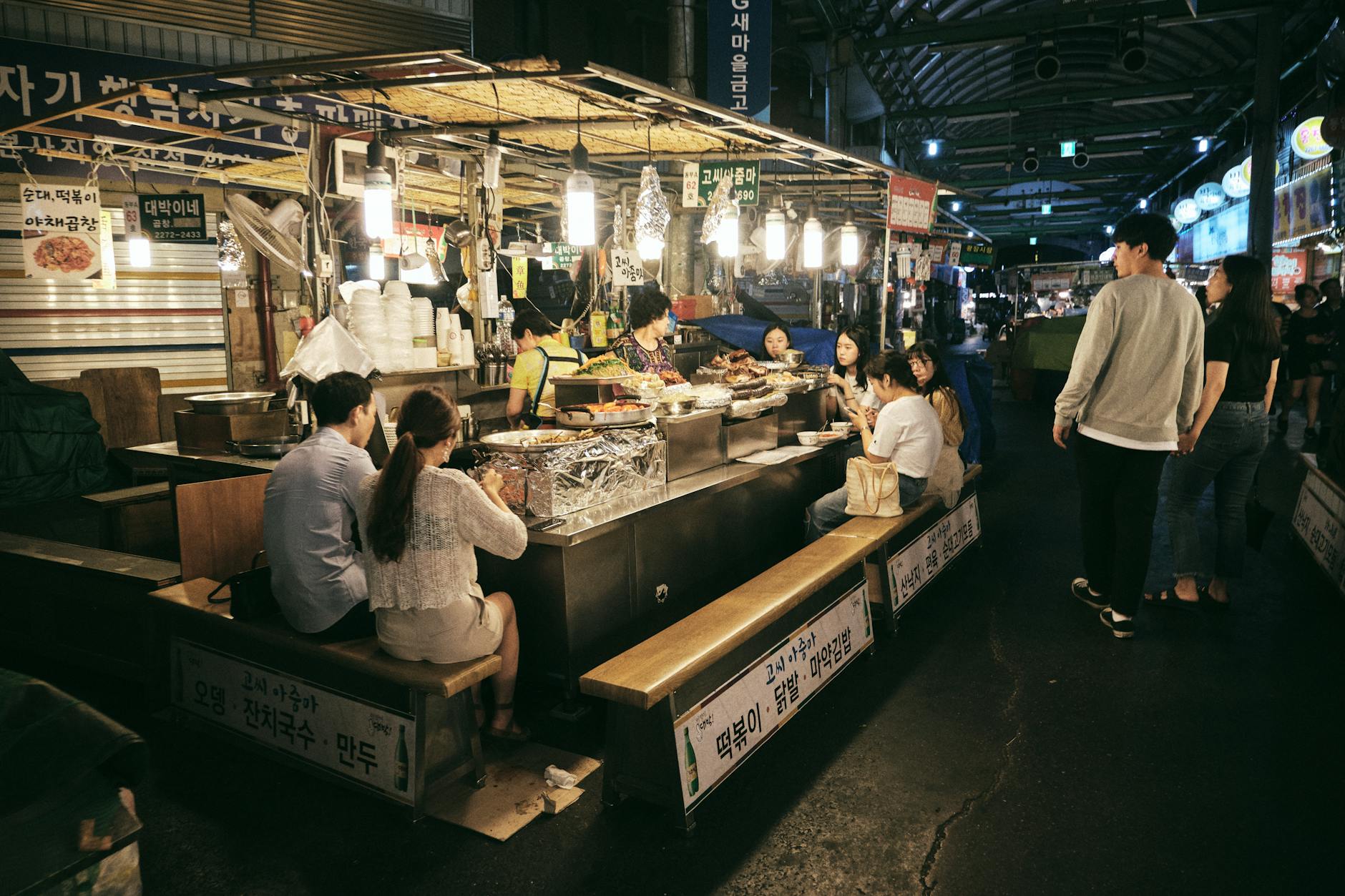
Skip These Seoul Food ‘Classics’ — Here’s Where to Actually Eat
You’re about to drop cash on Instagram-famous kimbap rolls made by teens who’ve never set foot in Korea. And you don’t even realize it.
Seoul’s Tourist Food Traps
Myeongdong Street Food Stalls (The English Menu Plague)
Here’s the truth: if a Myeongdong vendor hands you a laminated English menu with photos, you’ve already lost. These stalls—tteokbokki, hotteok, cheese corn—charge 8,000–12,000 won for what locals pay 4,000 won three streets over. The tteokbokki sauce has been lukewarm since noon. Those “famous” hodugwaja? Tastes like they were baked last week. You’re not eating Seoul food. You’re paying the tourist tax. Myeongdong’s side alleys can be decent, but the main strip? Hard pass.
Gangnam’s “Insta-Famous” Cafes Pretending to Be Restaurants
Those rose-gold BBQ spots with 50K Instagram tags? Half-portions at full price (35,000–50,000 won), with sides straight from a bulk store. The meat’s lower grade—you’re paying for mirrors, not marbling. Saw a group drop 180,000 won on a “Korean BBQ experience” that’d cost 80,000 won elsewhere. Pretty plates. Mediocre meat.
Bukchon Hanok Village Teahouses
This stings because Bukchon is beautiful. But 15,000 won for yuja-cha that tastes like lemon water? Pure theater. Award-winning tea houses charge 8,000 won and actually taste like something. You’re paying extra for wooden beams and Instagram backdrops.
Korean BBQ “All-You-Can-Eat” Chains (Hongdae, Itaewon)
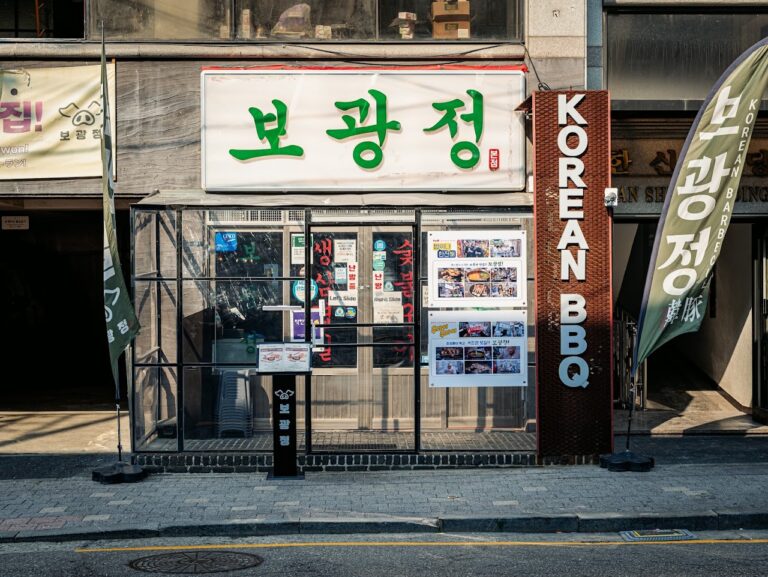
Meat quality plummets as English fluency rises. AYCE BBQ isn’t inherently bad—it’s just ruined by tourist pricing and rubbery cuts. Spot these places by their flashy signs and servers who know you can’t tell ribeye from chuck. Real BBQ happens where the staff sighs when you take too long to order.
Where Locals Actually Eat
This is the real deal. Gwangjang feeds 10,000 Seoulites daily. Bibimbap (6,000 won) from a 30-year-old stall. Mayak gimbap (3,000 won)—those addictive little rolls that shame Myeongdong’s versions. Sit at communal tables. Watch ahjummas inhale meals in four minutes. No secrets here. Just good food at fair prices. Weekday mornings are quieter.
Noryangjin Fish Market + Raw Fish Street (Dongjak-gu)
Pick a fish. Watch it get sliced. Eat it raw five minutes later. Sashimi spreads run 25,000–40,000 won—and it was swimming recently. Restaurants are barebones: plastic stools, zero English, zero pretension. Tourists rarely come. That’s why locals love it. Avoid the lunch rush—go before 2 PM or after 6.
Pojangmacha Tents in Residential Areas
Skip the famous pojangmacha villages. Find a random tent near your Airbnb in Hongdae or Sinchon. Tteokbokki, kimbap, soju—15,000 won feeds two. Squeeze in beside construction workers and office staff. This is Seoul’s real flavor. The ajumma won’t care about your Instagram. Her sauce recipe hasn’t changed in 15 years.
Jongno 3-ga District (Near Jongno 3-ga Station)
Old Seoul lives here. Galbijjim (15,000–20,000 won) at a wood-paneled spot from 1987. Samgyetang (12,000 won) at a stall older than your phone. No English menus. No problem. Google it. This is honest food at honest prices.
What Repeat Visitors Say
Reddit regulars agree: “Tourist spots serve equal parts food poisoning and regret.” They rave about Gwangjang. They mention random neighborhood joints. They admit wasting money in Myeongdong first time around. One put it best: “Korean food isn’t about looks—it’s about truth.” The meals that stick cost 60% less than the Instagram stuff.
Your Seoul Food Plan
1. Breakfast at a kimbap spot, not a cafe. 6,000 won, 6:30 AM. See the real Seoul wake up.
2. Pick a market and stick to it. Gwangjang or Noryangjin. Go back. Regulars get treated better.
3. Skip Myeongdong unless you need makeup. Not even for a snack. Hit your local neighborhood instead.
4. Ask your Airbnb host for the nearest pojangmacha. Not the famous one. The closest one. Dinner solved.
5. Splurge on one legit BBQ meal. Michelin spots exist. Tourist AYCE chains don’t compare.
One Hype That’s Real
If 50 people are queuing for jjajangmyeon at a decades-old shop, get in line. Viral fame sometimes means actual quality. These places don’t mess with success.
Stop eating the tourist version of Seoul. Start eating Seoul. Your taste buds—and budget—will notice.