Tokyo
Tokyo Bangkok
 Seoul
Seoul Singapore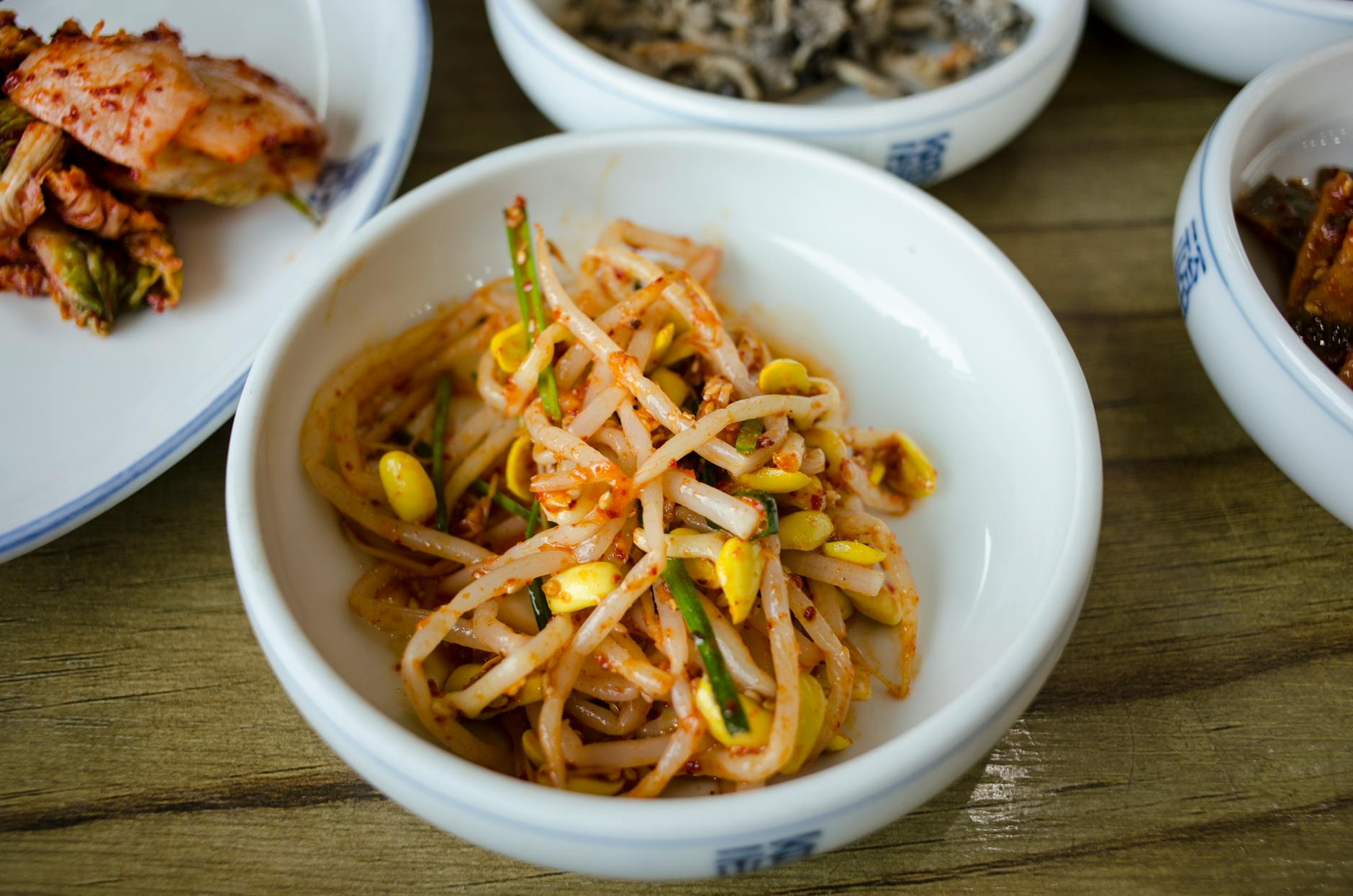
Bossam: Korean Food Guide Beyond the Tourist Version
On a Friday night in Seoul, bossam shows up on tables not because it’s fancy, but because it’s Friday. Boiled pork wrapped in lettuce, kimchi on the side, soju within reach—this is what regular Koreans eat when they want something good without the hassle. Bossam isn’t for showing off. It’s the kind of food that appears at family meals, after-work hangouts, and late-night drinking sessions because it works, it’s cheap, and everyone knows how to eat it.
Where Bossam Actually Comes From
Bossam started during the Joseon Dynasty as a way for wealthy families to use pork belly—a cut that would normally get thrown out. The name means “wrapped,” referring to how you eat it with lettuce. What began as fancy food slowly became everyday fare, especially after the Korean War when pork got more affordable. By the 1970s and 80s, bossam spots popped up in working-class areas nationwide, turning it into regular people’s food.
The dish really took off during Korea’s industrial boom. Workers needed fast, filling meals. Bossam fit—quick to eat, packed with protein, perfect with soju or beer. These days, history matters less than convenience. You’ll find it at street food tents, specialty restaurants, and home dinner tables. What counts is that it’s there when you need it.
Regional Styles That Actually Taste Different
Gyeonggi-style bossam—the Seoul standard—keeps it simple: pork belly boiled with ginger, garlic, and doenjang. The meat turns out tender, a bit fatty, meant for dipping in ssamjang before wrapping. This version gets all the attention because Seoul dominates food media, but it’s not the only way.
Jeolla Province does things differently. They throw in more flavors—scallions, dried shiitake, sometimes even jujubes—making the broth sweeter. Busan’s version often includes seafood touches; some places add dried anchovies for extra depth. Gangwon Province keeps it bare bones—sometimes just salt and water—letting the pork speak for itself.
The real differences show up in the sides. Seoul bossam comes with kimchi, raw garlic, and ssamjang. Busan adds raw oysters. Some regions include boiled eggs or radish kimchi. Locals know which versions they like and order accordingly. Most visitors miss these details entirely.
How to Eat Bossam Like Someone Who Grew Up Doing It
Technique matters more than you’d guess. Grab a lettuce or perilla leaf—not too small, not huge. Build your wrap: pork slice, kimchi piece, garlic sliver, tiny ssamjang dab. Fold it loosely. Eat in one or two bites. This isn’t delicate work. Nobody’s watching. Your fingers will get messy. That’s part of it.
Koreans drink soju or beer with bossam, never wine. The alcohol balances the pork’s richness. You eat a few wraps, drink, talk, eat more. There’s no rush. The meal stretches over an hour, not thirty minutes. At restaurants, staff keep refilling banchan and drinks without asking.
At home, most Koreans grab pre-cooked pork from markets or restaurants instead of making it themselves. Time’s tight. If you do cook it, pick well-marbled pork belly, simmer 45-60 minutes with minimal seasoning, slice while warm. The wrapping greens should be crisp and cold—that temperature contrast is key.
Bossam works because it’s no-nonsense and gets the job done. Eat it at a street tent with coworkers or whip it up at home on a random weeknight. The specific style matters less than who you’re sharing it with. That’s the Korean way.