Tokyo
Tokyo Bangkok
 Seoul
Seoul Singapore
Palm Sugar in Asian Cooking: Complete Guide for Travelers
That subtle sweetness in your Thai curry or Vietnamese caramel sauce? It’s not regular sugar—it’s palm sugar. Once you know what to look for, it changes how you experience Southeast Asian flavors.
Palm Sugar Is Not Caramel, Not Honey, Not Brown Sugar—Here’s the Difference
Palm sugar starts as sap from coconut or Palmyra palms, boiled until it thickens into a paste or hard cake. Color varies from light gold to deep brown, hinting at flavor. Darker usually means stronger.
This isn’t just sweetener. Unlike white sugar, palm sugar keeps minerals like potassium and iron, giving it a deeper taste—think molasses meets butterscotch with a nutty edge. Brown sugar? Just white sugar with molasses added. Palm sugar is the real deal.
Quality swings wildly. The good stuff from Thailand or Cambodia has a clean, almost floral note. Cheap versions taste flat and sugary. Test it: real palm sugar dissolves slowly in cold water. Fakes vanish instantly.
Where to Actually Taste Palm Sugar Done Right: Thailand, Cambodia, Vietnam
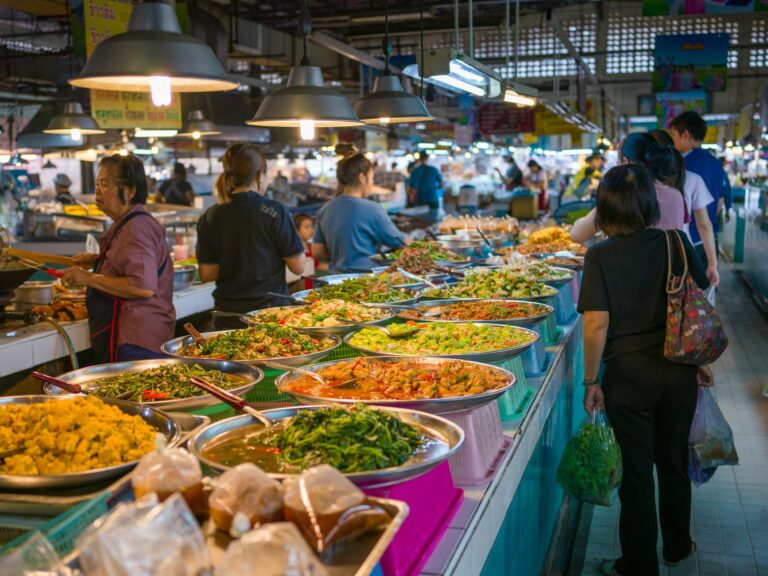
Bangkok’s Chatuchak Market pad thai is a masterclass in balance. The sweetness should feel round, not sharp—that’s palm sugar working with fish sauce and lime. Street cooks swear by it because it holds up under high heat.
Phnom Penh’s Riverside area does caramelized pork (thit kho) right. Palm sugar cooks down with pork fat into a glossy, savory-sweet sauce that white sugar can’t replicate. One bite and you’ll get it.
Hanoi’s Old Quarter serves caramel fish (ca kho to) with sauce so reduced it’s nearly black. The palm sugar-fish sauce combo should taste smoky, not just sweet. It’s the backbone of Vietnamese braises.
Buy palm sugar cakes at Southeast Asian markets or abroad. Look for origin labels (Thailand/Cambodia) and expect to pay $3-5 per cake. Anything cheaper probably cuts corners.
The Honest Truth: Palm Sugar Isn’t Better for You, But It Tastes Different in Ways That Matter
Ignore claims about palm sugar being healthier. Yes, it has minerals and a lower glycemic index—but you’re still eating sugar. The amounts used per dish make any health benefits negligible.
Here’s what matters: palm sugar was made for this cuisine. It dissolves differently, balances spices better, and adds depth white sugar can’t match. That’s why serious kitchens use it—not for trends, but results.
Funny thing: you’ll see less palm sugar in cities now. Younger chefs often default to white sugar—it’s cheaper and easier. High-end spots stick with tradition. Mid-range places? Not always.
What You Should Do
Next time you order Southeast Asian, taste before asking. Vendors might say they use palm sugar either way. The real deal gives layered sweetness, not a sugar rush. If it tastes flat, it’s probably not the good stuff. Once you know, you’ll spot who’s cooking with care—and who’s taking shortcuts.