Tokyo
Tokyo Bangkok
 Seoul
Seoul Singapore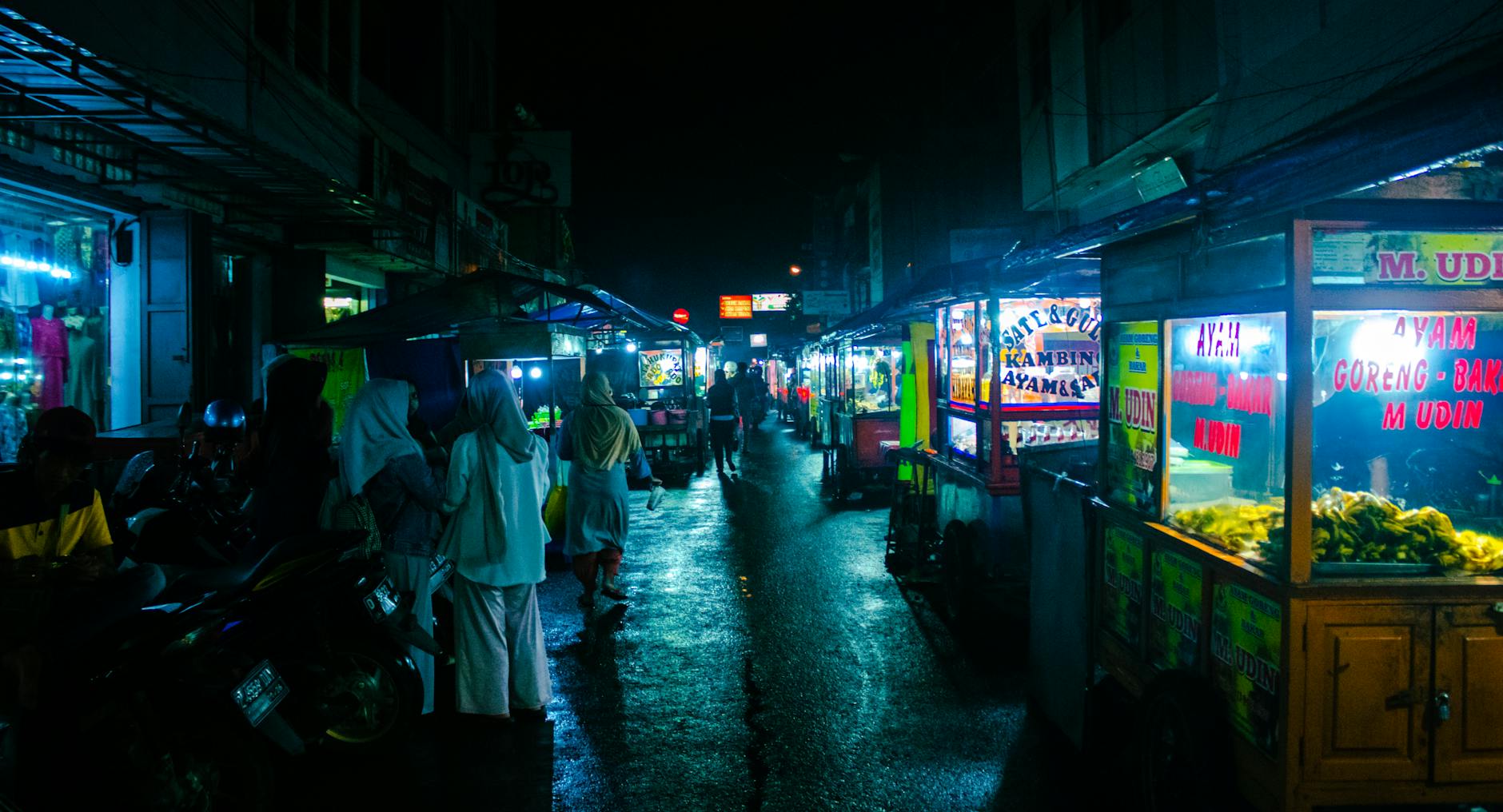
Pad Kee Mao: The Thai Stir-Fry That Defines Street Food
Hit any Bangkok side street at lunchtime, and the scene’s always the same: office workers and construction crews lining up for pad kee mao. Not because it’s Instagram-worthy—because it’s cheap, quick, and actually fills you up. This isn’t some tourist-bait dish. It’s what Thais eat when they want real food that tastes like food.
“Drunken stir-fry” is the rough translation, but nobody agrees why. Maybe it’s late-night drunk food. Maybe the spice hits like a hangover. Either way, the name nails Thai food culture: nothing fussy here. These dishes are meant to be part of life, not some staged performance.
How Pad Kee Mao Changes Across Thailand
You’ll find this dish everywhere, but it never tastes the same twice. Up in Isaan, they drown it in fish sauce and throw in extra chilies—that’s just how people like it there. Chiang Mai versions might lean heavier on soy sauce. Bangkok? Balanced heat, salt, sweet, and sour. No rules.
Nobody’s chasing “authenticity.” A street cart in Ubon Ratchathani isn’t copying some Bangkok recipe. That adaptability is pure Thailand. Food bends to local tastes, local ingredients, what’s cheap that week. Pad thai in Phuket doesn’t taste like pad thai in Nakhon Ratchasima. Same goes for pad kee mao.
Meat’s never the main event here. Chicken or pork just plays backup to the real stars: texture and how everything collides in the wok. Chilies punch back against basil’s licorice kick. Sauce coats noodles without drowning them. It’s chaos, but the good kind.
The Stuff That Makes It Work
Holy basil—not the sweet stuff—is mandatory. It’s got this peppery, almost medicinal bite. Thai vendors grab it fresh every morning. Toss it in last, just until it wilts. Cook it too long, and you might as well eat lawn clippings.
Then there’s the chilies. Usually bird’s eye, sometimes with garlic. The heat doesn’t slap you—it sneaks up, bite by bite. Some carts cheat with chili paste for extra smoke.
Noodles should be fresh, the kind still warm from the market. Dried ones do in a pinch, but the texture’s all wrong. Sauce is dead simple: fish sauce, soy, a pinch of sugar. The magic’s in the wok’s heat. Two minutes max. Noodles stay springy, sauce clings instead of puddling.
What This Dish Says About Thai Food
Pad kee mao is Thai food philosophy in a takeout box: fast, but not sloppy. A good vendor’s done this dance a thousand times. They know when to shake the wok, when to add the basil, how it should smell when it’s done.
No fluff. You order, you eat, you leave. No fancy plating. No origin story. The food does the talking. Even complex dishes like massaman curry keep it that way—all the work happens before it hits your plate.
It’s also weirdly balanced. Protein, veggies, carbs—not because some nutritionist said so, but because that’s how people cook when they’re feeding themselves. No virtue signaling, just decent food.
Next time you’re at a Thai spot, skip the usuals and get pad kee mao. Watch how fast it lands on your table. Crush a basil leaf between your fingers. Feel how the heat creeps. That’s the real story—not some folklore, just how a country eats when nobody’s watching.