Tokyo
Tokyo Bangkok
 Seoul
Seoul Singapore
Pad Kee Mao: The Thai Dish That Reveals How Thailand Actually Eats
Pad Kee Mao isn’t some polite dish you grab between errands. This is the one you eat at a Bangkok street cart at midnight, shirt sticking to your back, wondering how food this good costs less than a soda. Thai cuisine’s truth isn’t in fancy restaurants—it’s in what sells fast for pocket change.
Pad Kee Mao Is Drunk Noodles, and That’s Exactly the Point
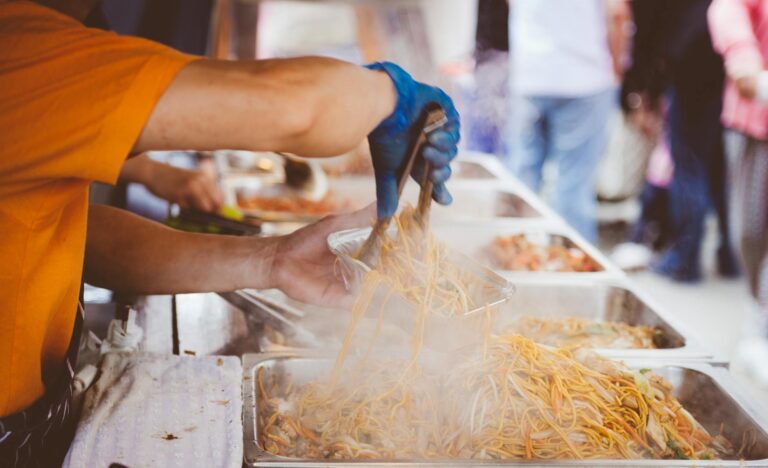
“Drunken noodles” doesn’t mean there’s booze in it. The story goes that it was made for people leaving bars, needing something bold enough to stand up to a night of drinking. True or not, the dish nails the brief: wide rice noodles with crispy edges, slicked with a sauce that hits sweet, salty, spicy, and sour all at once. Thai basil fries until nearly black. Chilies and garlic sizzle with chicken or shrimp in a wok so hot it smokes.
Great pad kee mao isn’t subtle. It fights back. Noodles should have burn marks. Sauce should cling, not pool. The basil should crackle when you bite it. Bad versions? Mushy, drowning in sauce, dead on the plate. Most places outside Thailand serve bad ones.
Where to Actually Eat Pad Kee Mao: Bangkok First, Then Everywhere Else
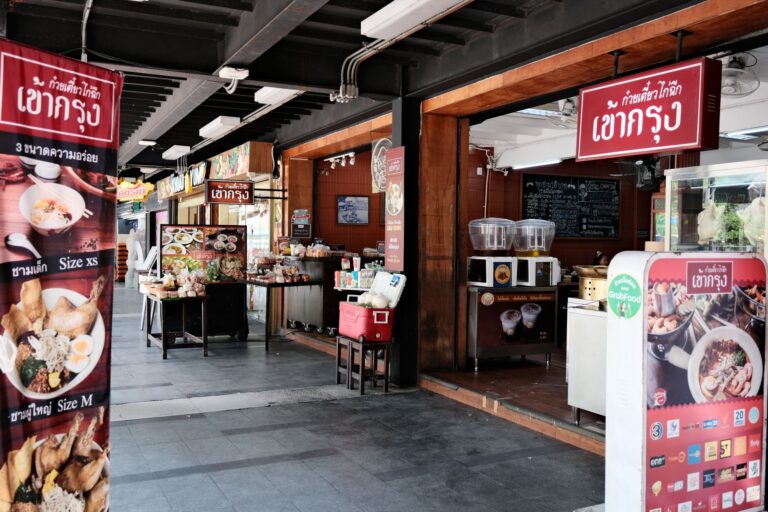
In Bangkok, skip the sit-down spots. Head to Chinatown—Yaowarat Road after dark. Look for the cart near Yaowarat and Charoen Krung. Same cook, same method, twenty years. You’ll queue up. Pay 60 baht (about $1.50). It’ll wreck any $18 version you’ve had abroad.
London? Chat Thai on Soho Road keeps it honest. Sydney’s Longrain does a duck version worth the trip. New Yorkers should hit Buvette or hunt down a Queens street cart—the no-frills ones, not the photo-op stalls.
Rule of thumb: the better the pad kee mao, the worse the decor.
Why Pad Kee Mao Matters More Than You Think
This dish exposes a Thai food truth Westerners miss. It’s not about fussy techniques. It’s about speed and balance. Pad kee mao has to work—fast. Hunger solved, flavors delivered, wok-to-mouth in three minutes flat. Nothing’s decorative. The basil adds punch and crunch. The char on the noodles does the work a fancy sauce can’t.
It’s also the ultimate cook’s test. Curries hide behind pastes. Pad kee mao demands heat mastery and timing. Like a blues riff: simple structure, easy to butcher.
And it’s for everyone. Construction crews, tourists, cabbies—all eat the same thing. No “premium” version. That’s intentional. Thai food doesn’t rank street eats below fine dining. The best meal fills you up without emptying your wallet.
What You Should Do Right Now
Next Thai meal? Skip the pad thai. Go pad kee mao. If it’s good, you’ll get why Thailand’s obsessed. If it’s bad, you’ll see why so much exported Thai food falls flat. Either way, you’ll taste the difference between food made to feed people and food made to impress them.