Tokyo
Tokyo Bangkok
 Seoul
Seoul Singapore
Khao Soi: Thailand’s Most Misunderstood Noodle Dish
Khao soi isn’t some curry poured over rice. This Chiang Mai noodle dish shatters expectations—nothing like the pad thai or green curry most foreigners picture when they think Thai food. That regional difference is everything.
Khao Soi Is Burmese, Not Central Thai, and That Changes Everything
Khao soi appeared in northern Thailand during the 1700s when Burmese traders moved to Chiang Mai. You can taste that history: turmeric-heavy broth, egg noodles instead of rice noodles, even the crispy topping mirrors Burmese shan noodles more than anything from Bangkok.
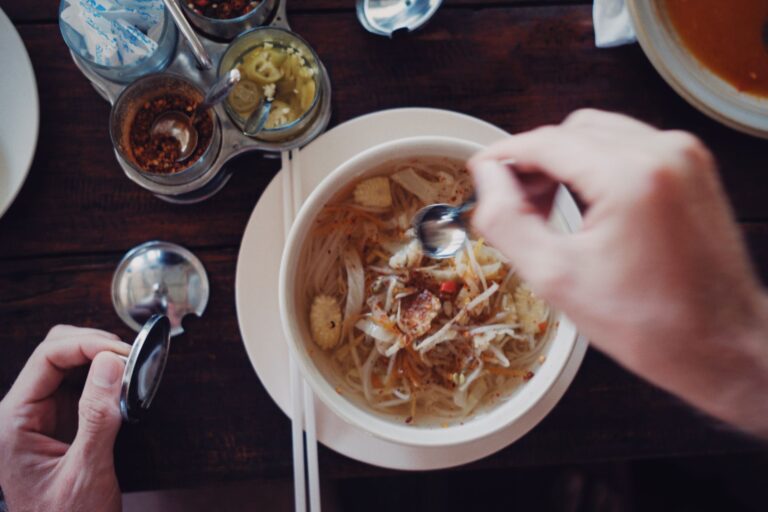
Real khao soi needs five things done right. First: broth simmered forever with curry paste, coconut milk, and stock. The paste? Dried chilies, shallots, garlic, galangal, turmeric, shrimp paste—pounded until smooth. Second: soft egg noodles waiting in the bowl. Third: those crispy fried noodles on top (golden, not soggy). Fourth: sharp pickled greens to cut the richness. Fifth: fresh lime and chilies on the side.
Bad versions cut corners—weak broth, lazy paste, soggy toppings. The good stuff? Made by folks who’ve been waking up at 4 AM to start simmering for decades.
Where to Eat Real Khao Soi: Chiang Mai’s Old City, Not Tourist Zones
Head to Warorot Market near the Old City moat. SP Chicken (yellow awning on Somphet Road, no English sign) has served khao soi since 1968. Their chicken falls apart before it hits your tongue. The broth tastes like generations of know-how.
Bangkok struggles with khao soi. Most places sweeten it up for local tastes. Huen Phen near Wat Saket does a decent northern version, but it’s not Chiang Mai-level. You’ll notice—Bangkok broths often skimp on turmeric and overdo coconut milk.
Outside Thailand? Good luck. UK and Aussie Thai spots rarely serve it. If they do, ask if the broth’s made fresh or just reheated. One sip tells the story.
Why Khao Soi Exposes the Truth About Thai Food Philosophy
Thai food isn’t one cuisine. It’s dozens. Khao soi proves this better than any dish—born from Burmese roots, adopted by Thai cooks, perfected over centuries. The dish shows how Thai food absorbs influences while staying distinctly Thai.
Westerners often treat Thai food as one-note: sweet, spicy, coconutty. Khao soi breaks that mold. Yes, it’s spicy (if you want). But the magic comes from texture play and acidic bites, not some perfect sweet-sour balance. Whole different approach.
Let’s be clear: khao soi is working-class food. Breakfast or lunch. $2-4 a bowl in Chiang Mai. Made by people who learned through repetition, not textbooks. The best come from street vendors who’ve been at it longer than most chefs have been alive. That’s not nostalgia—it’s how real expertise works.
Next time you’re up north, skip the tourist traps. Find a morning market vendor. Order extra crispy noodles. Taste what happens when no shortcuts are taken.