Tokyo
Tokyo Bangkok
 Seoul
Seoul Singapore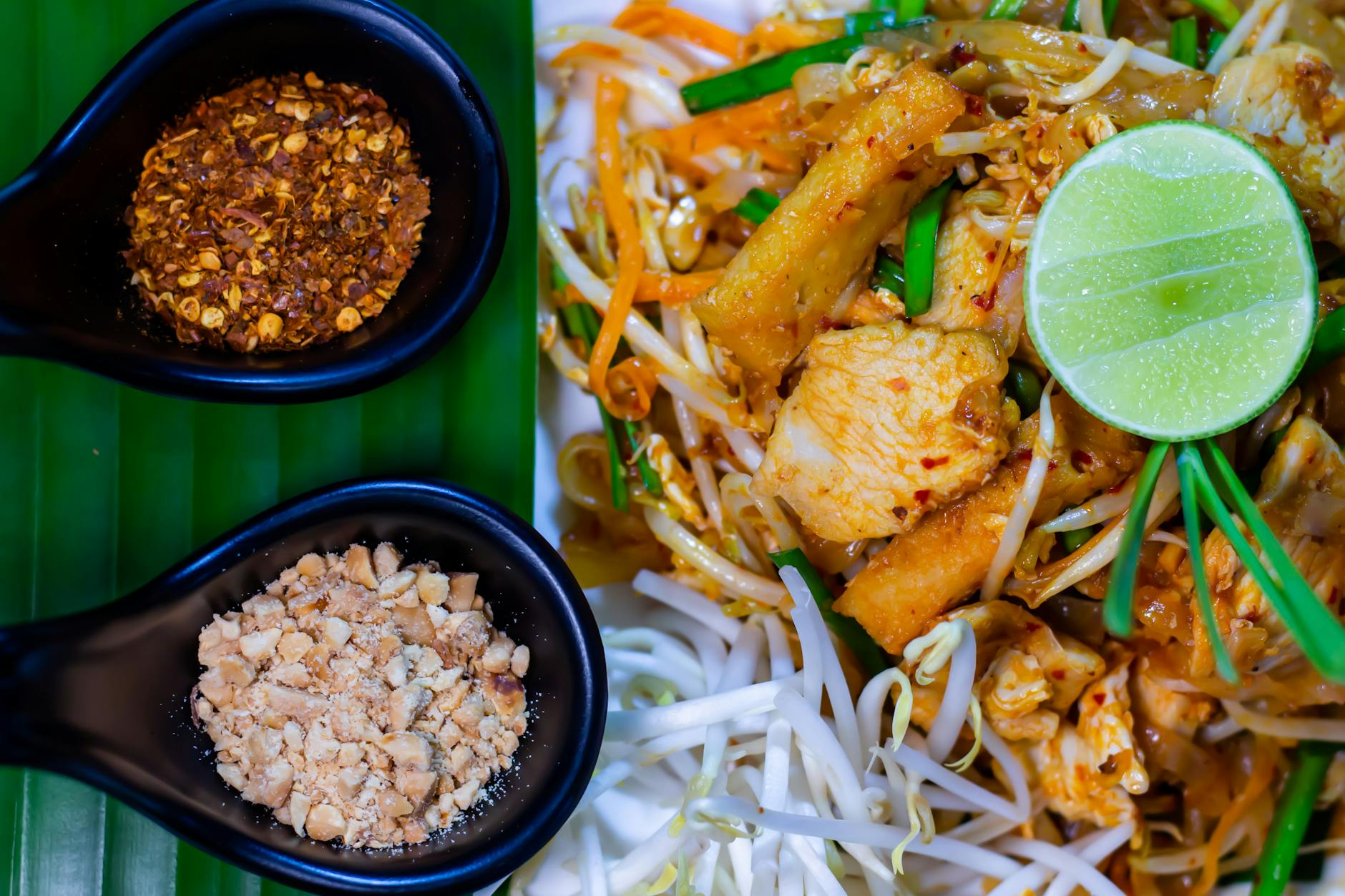
The Perfect Pad Thai Sauce Ratio: Tamarind, Fish Sauce, Palm Sugar
Most home cooks mess up pad thai sauce by treating all ingredients as equals. They shouldn’t be. Tamarind, fish sauce, and palm sugar each play distinct roles—one stars, one backs it up, one fine-tunes. Nail this dynamic and your noodles will transport you straight to a Bangkok sidewalk.
The Simple Trio Behind Real Pad Thai
Pad thai sauce only needs three things, yet somehow people still get it wrong. The magic formula: 3 tablespoons tamarind paste, 2 tablespoons fish sauce, and 1.5 tablespoons palm sugar. That 2:1.3:1 ratio? That’s what makes the flavors pop—sour first, then salty, with just a whisper of sweet.
Tamarind runs the show. Its sharp tang defines the dish. Skip on it and you’re left with bland noodles. Fish sauce? That’s your flavor booster—it keeps things interesting. Palm sugar plays peacemaker, smoothing out tamarind’s bite without turning your dinner into dessert. Too many recipes overdo the sugar, creating something that would baffle any Thai street vendor.
Quality trumps quantity here. Real tamarind paste contains nothing but tamarind—check labels. Fish sauce should come from Vietnam or Thailand, not the overly processed stuff. Authentic palm sugar from an Asian market beats grocery store versions hands down. These ingredients aren’t swap-friendly. Lime juice won’t cut it as tamarind. Soy sauce ain’t fish sauce. Brown sugar doesn’t mimic palm sugar. Every substitution takes you further from the real deal.
Why This Ratio Works (And How To Use It)
This formula comes straight from Bangkok’s Chinatown street stalls, where they’ve been making pad thai this way since the 1930s. When you taste the real thing in Thailand, you’re experiencing this exact balance of flavors.
Here’s how to make it: Mix 3 tablespoons tamarind paste with 2 tablespoons fish sauce and 1.5 tablespoons palm sugar. Stir until the sugar disappears. It’ll taste way too strong on its own—that’s normal. Once it hits hot noodles and ingredients, everything mellows into perfection.
For two servings, double everything: 6 tablespoons tamarind, 4 fish sauce, 3 palm sugar. Prep the sauce before firing up the wok. When things get hot, you’ll need it ready to go—no last-minute mixing. Cold sauce + blazing hot wok = even coating. Add it in stages and you’ll get uneven, disappointing results.
The Heat Factor Everyone Ignores
Here’s where most recipes fail: they treat the sauce like an afterthought. In reality, how you apply it matters just as much as what’s in it. That sauce needs to hit a wok that’s practically glowing—around 400°F. This intense heat caramelizes the tamarind slightly, adding depth and killing any raw acidity.
Add sauce to a lukewarm wok and you’ll get flat, one-dimensional sourness. Restaurants nail the flavor because their equipment gets hotter than home stoves. You can compensate by using carbon steel, cranking your burner to max, and moving fast—no pauses to tweak things mid-cook.
Pro tip: Grab real tamarind paste from an Asian market and stick to the 3:2:1.5 ratio religiously. Make it exactly like this three times before even thinking about adjustments. Taste authentic pad thai first—then decide if you want to change anything.