Tokyo
Tokyo Bangkok
 Seoul
Seoul Singapore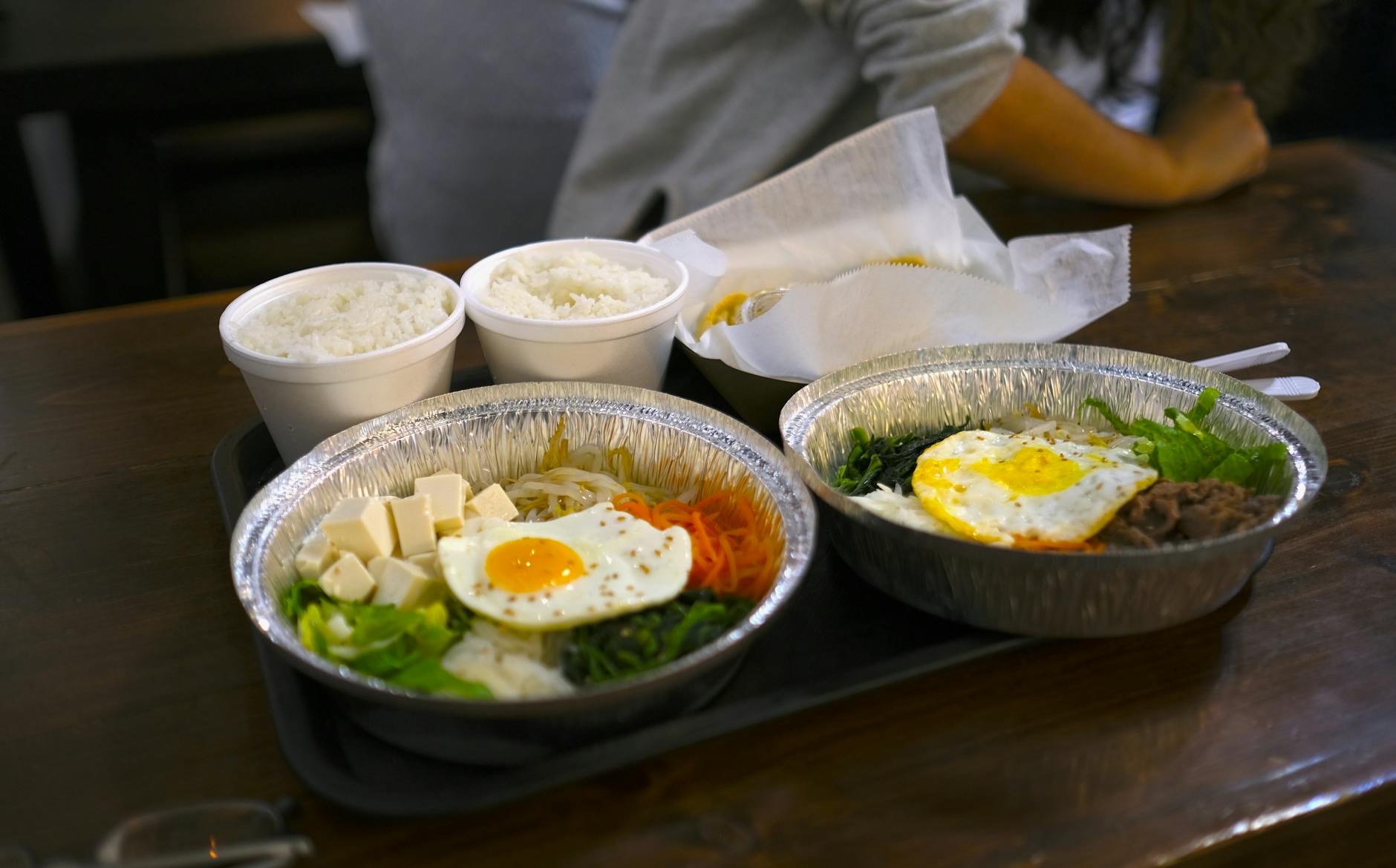
Perfect Bibimbap Bowl: Master the Korean Rice Assembly
Most people mess up bibimbap. They dump everything together like a salad, which ruins the whole experience. This bowl isn’t about chaos—it’s about controlled mixing. The fried egg yolk binds, the gochujang glues, and the namul gives crunch. Do it wrong, and you’ve got glorified rice. Do it right, and you unlock Korea’s genius in a bowl.
The Namul Layer: Why Seasoning Vegetables Matters More Than You Think
Namul—those seasoned veggie sides—are bibimbap’s secret weapon. Most home cooks blow it here. Spinach isn’t done when it’s drained; each vegetable needs its own treatment. At spots like Gogung in Jongno-gu, they prep namul a day ahead. Flavors deepen. Excess moisture evaporates.
The classic five: spinach (sigeumchi namul) with sesame oil, garlic, salt; shredded carrot (danmujin) same treatment; fernbrake (gosari) stewed in soy sauce; zucchini (hobak namul) lightly salted; mushrooms (beoseot namul) sautéed till caramelized. Cool them completely—warm namul turns soggy against hot rice. That sesame oil? Critical. It’s not decoration. It keeps vegetables crisp and layers distinct until mixing time.
Gochujang and the Fried Egg: The Dynamic Duo That Changes Everything
Don’t just plop gochujang on like it’s ketchup. Mix it first with sesame oil, garlic, sugar, and rice vinegar. The ratio? Two parts paste to one part oil. Vinegar cuts heaviness. Oil spreads flavor. Garlic punches it up. This sauce separates okay bibimbap from “holy crap” bibimbap.
The egg is make-or-break. Yolk must be runny—no exceptions. Fry it in enough oil to crisp the edges while keeping the center liquid. Those lacy whites add crunch; the yolk becomes silky sauce. Place it proudly on top, not buried. When you break it, magic happens.
The Assembly and the Mix: Technique Over Instinct
Assembly isn’t just stacking—it’s strategy. Start with fresh, hot rice (140-160g). Arrange cooled namul like spokes around the bowl. Off-center gochujang dollop. Crown with that perfect egg. Wait.
Now mix smart. Break the yolk into just one rice section first. Coat those grains thoroughly. Then slowly pull in nearby namul, mixing in stages. This isn’t stirring—it’s composing. Busan to Brisbane, pros do it this way. Rush it, and you lose every carefully built layer.
Try this method once. You’ll finally get why this dish has lasted centuries. Simple ingredients. Serious craft.