Tokyo
Tokyo Bangkok
 Seoul
Seoul Singapore
How to Make Authentic Tteokguk at Home
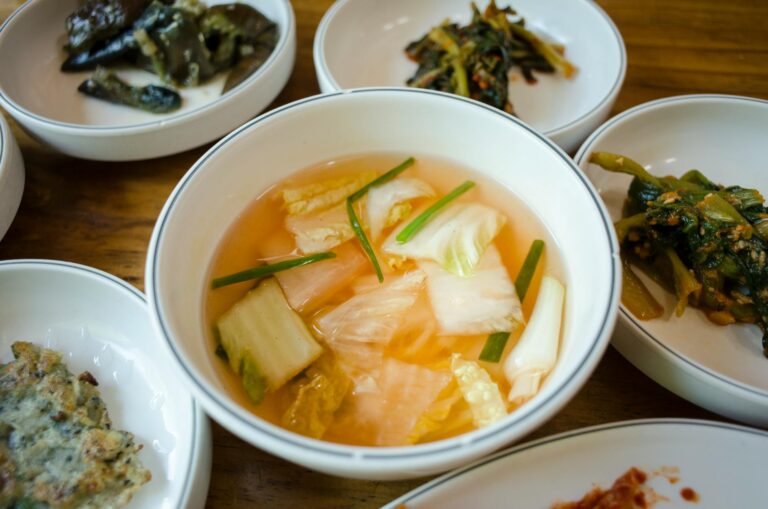
In Seoul, a Korean grandmother once taught me the secret to great tteokguk: patience. She simmered anchovy and kelp broth for hours, refusing to cut corners. That slow extraction of flavor makes all the difference in this iconic rice cake soup, a Lunar New Year staple. Simple ingredients, but they demand attention.
Why Tteokguk Matters Beyond the Bowl
This soup carries real meaning in Korea. Eating it on New Year’s Day adds a year to your age—Koreans literally count it as their birthday. From Seoul to Busan to Daegu, families serve it regardless of income. The white rice cakes mean purity; the broth connects generations. That’s why locals treat tteokguk with reverence—it’s not just food, but a marker of time and identity.
Building Your Broth: The Foundation Everything Depends On
Combine 8 cups water, 4-inch dried kelp, and a handful of cleaned dried anchovies. Boil, then simmer 90 minutes—no shortcuts. Strain, then add 2 tbsp soy sauce, 1 tbsp sesame oil, and salt. The broth should be gentle yet flavorful. While it cooks, prep toppings: slice 2 eggs into strips, cook 3 oz ground beef with soy sauce and sesame oil, chop scallions. Korean fish cake (eomuk), if available, adds nice texture.
Assembling and Serving Your Tteokguk
Bring broth back to a boil. Add 8 oz sliced rice cakes (fresh or frozen, no substitutes). Stir occasionally for 5 minutes until they float but still have bite. Ladle into bowls, then top with beef, egg, fish cake, and scallions. Finish with sesame seeds. The magic? Each element stays distinct. Serve hot with kimchi—maybe some fried shallots for crunch.
Homemade tteokguk changes everything. That long-simmered broth makes each spoonful worth it. Once you try it, you’ll get why this soup matters. Give it a shot—your New Year’s mornings will never be the same.