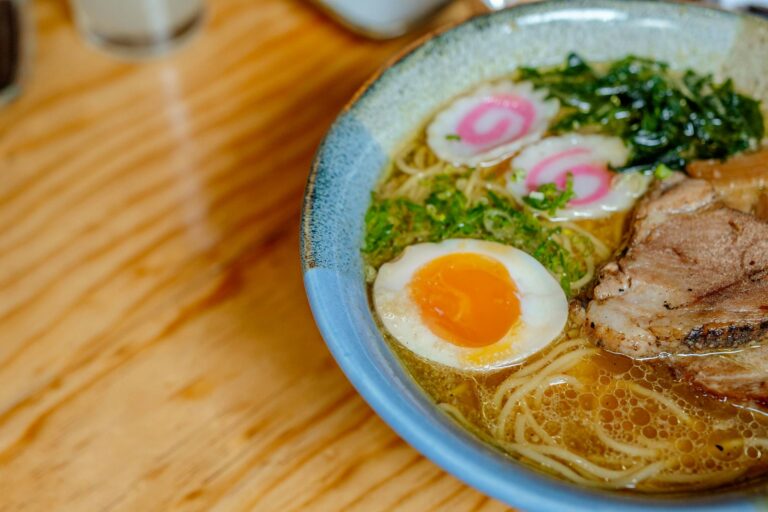
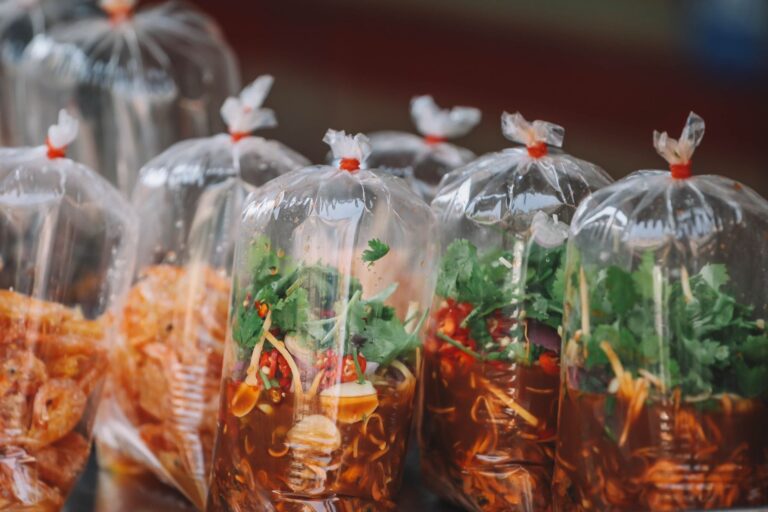
Tokyo
Tokyo Bangkok
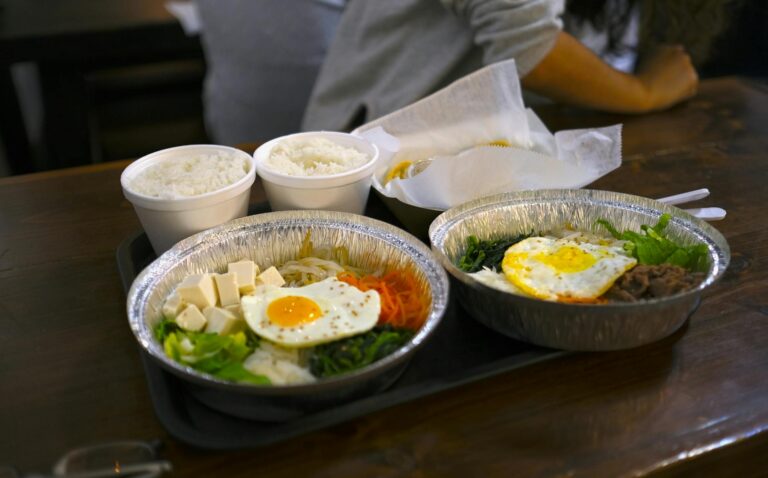
 Seoul
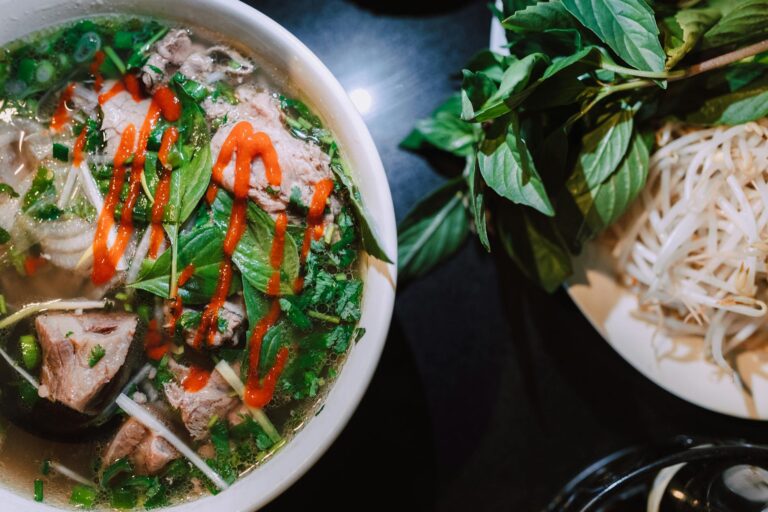
Seoul Singapore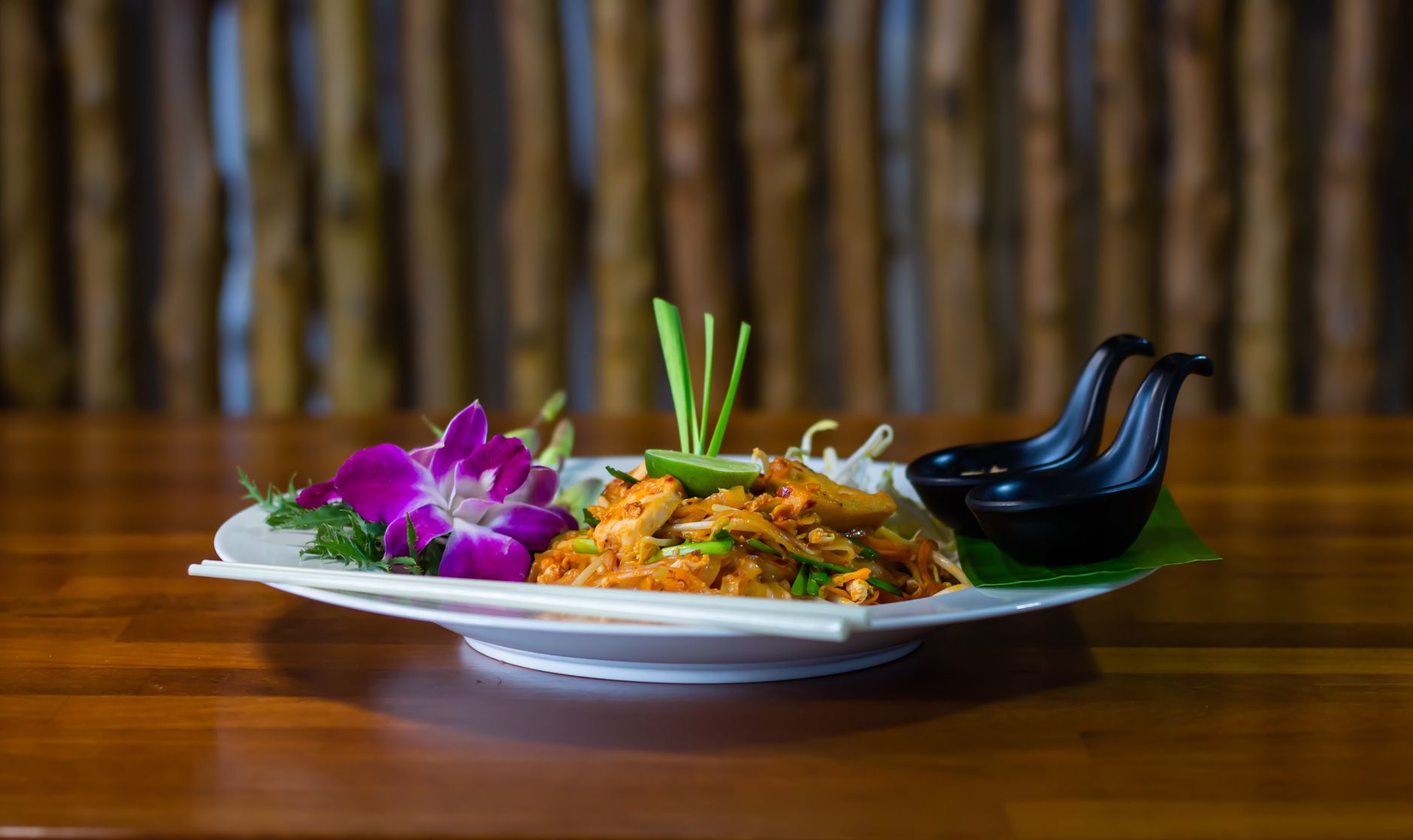
Perfect Pad Thai Sauce Ratio: Tamarind, Fish Sauce & Palm Sugar
Most home cooks mess up pad thai sauce, but it’s not their fault. Western recipes act like the three key ingredients are interchangeable—they’re not. A tablespoon too much or too little, and you’ll end up with something sickly sweet or aggressively fishy. Here’s the thing: pad thai sauce isn’t hard. It just demands precision.
Why This Ratio Works (And Why Others Don’t)
Real pad thai sauce hinges on a 1:1:1 ratio of tamarind paste, fish sauce, and palm sugar—about 3 tablespoons each for four servings. This isn’t random. Tamarind brings sharp acidity to balance rich eggs and peanuts. Fish sauce packs a salty, savory punch, so you won’t need extra seasoning. Palm sugar adds caramel depth that white sugar can’t match. Street vendors in Bangkok or Chiang Mai use this exact ratio, tweaking it slightly based on their tamarind’s tartness or fish sauce potency. Most recipes fail by treating fish sauce like a garnish—a teaspoon won’t cut it. Too little tamarind? Lime juice can’t replicate its sweet-tart complexity. The result tastes thin, unbalanced.
Sourcing Ingredients That Actually Matter
Tamarind paste isn’t all the same. Skip the dusty jarred stuff. Look for Thai blocks at Asian markets—fresher, brighter, with real tang. Soak a piece in warm water, strain it, and you’ve got actual tamarind flavor. For fish sauce, Red Boat or Three Crabs work in a pinch, though they’re milder than Thai brands. If it doesn’t smell a little funky, it’s too weak. Palm sugar should be the dark, unrefined kind sold in rounds. Brown sugar? Close, but not quite. The molasses notes build up in the dish.
Building the Sauce: Technique Over Temperature
How you mix the sauce changes everything. Dissolve palm sugar in fish sauce first—about two minutes of stirring. Then add tamarind. This keeps the tamarind from clumping around sugar crystals. The mix should pour like thin honey. Taste it straight: it should be harsh—sour, salty, sweet. That’s good. Heat mellows it when it hits the wok. Cold noodles? The balance collapses. The sauce needs that sizzle to cling and meld properly.
Make this once, tweak to taste, and you’re set. The ratio is flexible enough for preferences but strict enough to nail street-stall flavor every time.