Tokyo
Tokyo Bangkok
 Seoul
Seoul Singapore
Yen Ta Fo Recipe: Make Thai Street Vendor Version at Home
You’ve tried making pad thai at home three times. It never tastes like Bangkok. That pink yen ta fo soup from a Chatuchak pushcart? Haunts your dreams. Here’s the thing—your kitchen can get close. The secret isn’t fancy ingredients. It’s balancing sweet, sour, salty, and spicy so they work together instead of fighting.
Why Yen Ta Fo Fails at Home (And How to Fix It)
Yen ta fo lives or dies by its fermented tofu base. No shortcuts. A great bowl balances every flavor. A bad one tastes like dishwater with noodles. The difference? Technique.
Online recipes treat this soup like an afterthought. Street vendors treat it like chemistry. They fry the fermented tofu in oil first—this unlocks the flavor. They taste constantly. The pink color? Not just for show. Pale pink means weak flavor. Deep pink means they nailed it.
Here’s how the flavors should hit: fermented tofu brings salt and umami. Tamarind or lime adds sour. Just enough sugar to soften the edge. Chili heat should creep up on you. Mess up these ratios by even a little? The whole thing falls apart.
The Vendor Method: What Actually Works
Start with two tablespoons of fermented tofu (red is classic). Mash it into paste. Heat oil in a pot, add the paste, and stir for two minutes. Your kitchen will smell funky—good. This step can’t be rushed.
Add six cups of stock (chicken works fine). Simmer. Mix in tamarind paste or lime juice. Add a teaspoon of sugar. Taste. Should be tart first, then funky, then sweet. Too sour? More sugar. Bland? More tofu or salt.
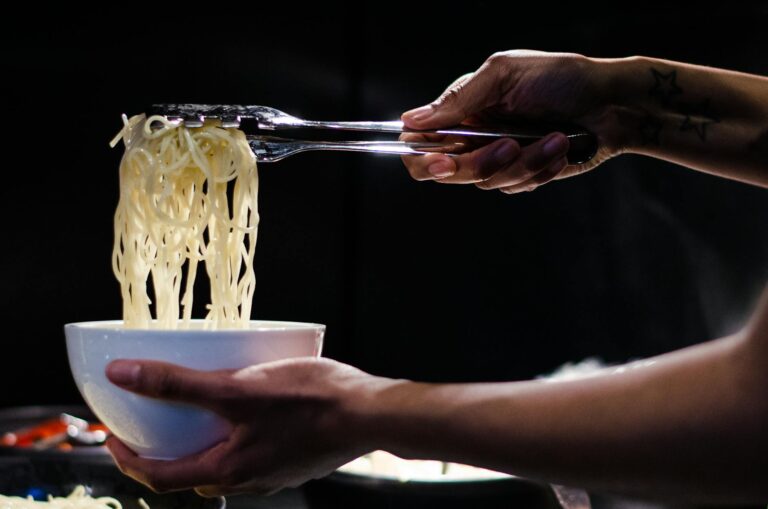
Cook thin rice noodles separately—think angel hair thickness. Drain. Bowl the noodles, pour broth over top. Finish with crispy shallots, cilantro, lime, and chili oil. Some add eggs or fish cakes. But the broth’s the star.
What Makes This Different From What You’ll Read Elsewhere
Most recipes treat fermented tofu like an optional ingredient. Vendors know better. Yen ta fo isn’t comfort food—it’s an acquired taste. Stop trying to make it friendly. Embrace the funk. That’s when it starts tasting like Bangkok.
One more thing: color affects taste. Pale broth tastes weak even if it’s not. Vendors tweak the pink intentionally. If yours looks washed out, a tiny pinch of red food coloring helps. Just a pinch.
Try this: Taste the fermented tofu straight first. Get familiar with its punch. Then make the soup. That moment of respect for the main ingredient? That’s what separates okay yen ta fo from the real deal.