Tokyo
Tokyo Bangkok
 Seoul
Seoul Singapore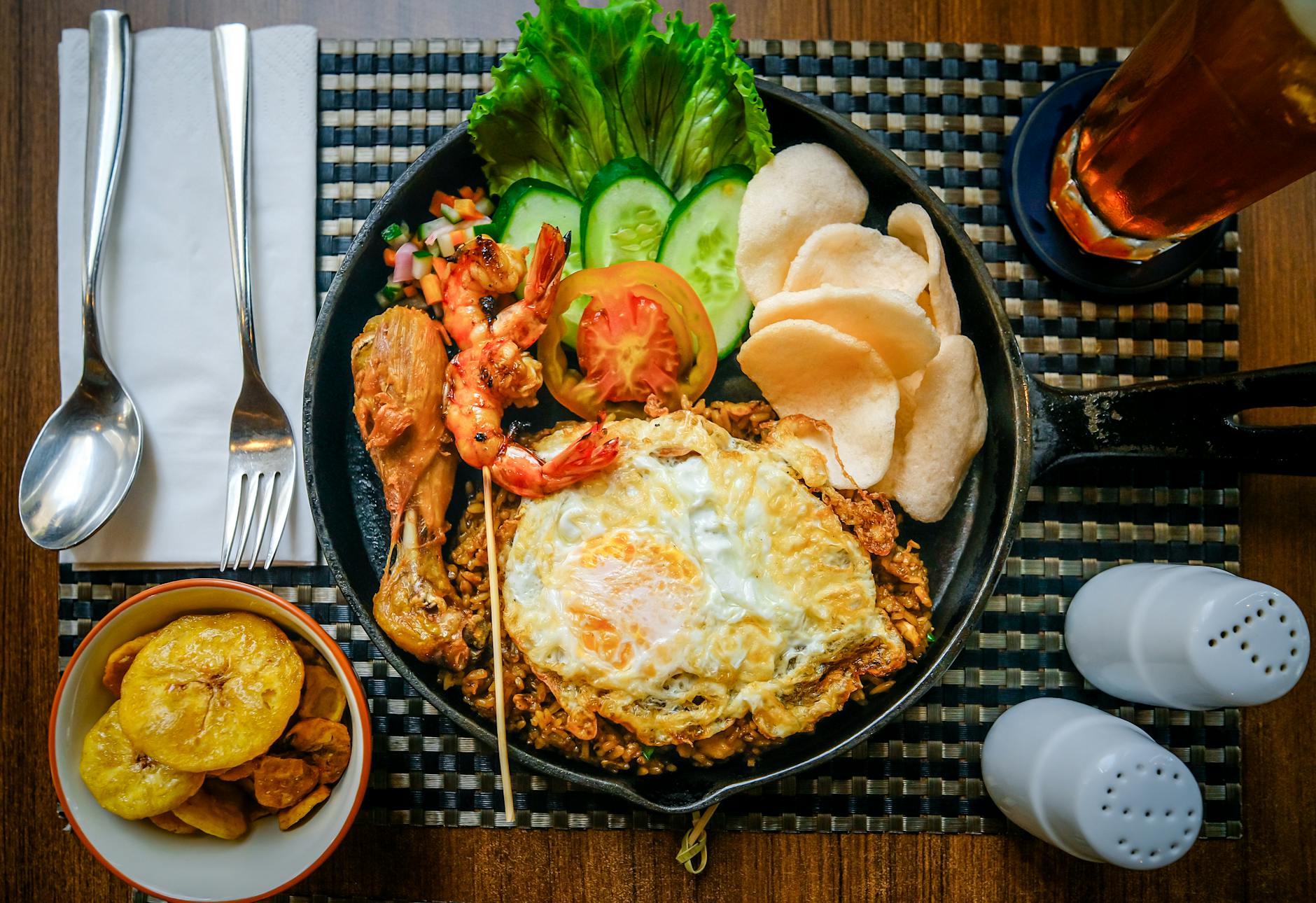
How to Make Nasi Goreng Paste: The Indonesian Base
Forget bland fried rice—the secret to a plate you’ll actually crave is all in the paste. Nasi goreng paste isn’t just an ingredient; it’s the flavor engine that makes every bite work. Get it right, and your cooking shifts from random to reliable.
Why the Paste Makes or Breaks Your Dish
This isn’t some optional drizzle. The paste coats every grain, delivering salty, sweet, and funky notes in perfect balance. Weak paste? Boring rice. Good paste? The flavors practically cook themselves.
Three ingredients do the heavy lifting: kecap manis (that thick, syrupy Indonesian soy sauce), funky shrimp paste, and shallots. Together they’re magic. Kecap manis brings sweetness and body. Shrimp paste adds deep umami—that savory punch you can’t fake. Shallots keep things fresh with a sharp edge.
Measurements matter: 3 tbsp kecap manis, 1-1.5 tsp shrimp paste, 3-4 shallots. Go heavy on the shrimp paste and it’s like eating seawater. Too much kecap manis? Now it’s dessert.
How to Build the Paste (No Cheating)
Use a mortar and pestle. Blenders turn shallots to soup and leave shrimp paste chunky. The old-school method gives you control.
Start with sliced shallots. Pound them to a rough paste—about 2 minutes. You want texture, not baby food. Add the shrimp paste next. Yeah, it smells intense. That’s the point. Work it into the shallots until the color evens out (another minute or two).
Stir in kecap manis last—no pounding here. The paste should be thick but spreadable. Too thick? Add water. Too thin? You went too early with the kecap.
Shrimp Paste: The Funk You Need
Western cooks often chicken out on shrimp paste. Big mistake. That fermented funk is what makes nasi goreng taste real. Different countries call it different things—terasi, belacan, bagoong—but the stink means it’s working.
Skip the supermarket stuff. Hit an Asian grocery for Indonesian or Malaysian brands. Store it sealed tight—your kitchen won’t smell if the jar’s closed properly.
Without real shrimp paste, your nasi goreng is just sweet rice. With it? You get layers of flavor that keep you coming back for more.
Cooking With Your Paste
Now the easy part. Hot wok, little oil. Fry the paste for 30-45 seconds until it smells amazing. Add day-old rice (cold clumps less) and break it up while tossing. 3-4 minutes max. Top with whatever—egg, veggies, protein.
Make fresh paste every time. Five minutes for way better results. This is what separates okay nasi goreng from the kind people remember.