Tokyo
Tokyo Bangkok
 Seoul
Seoul Singapore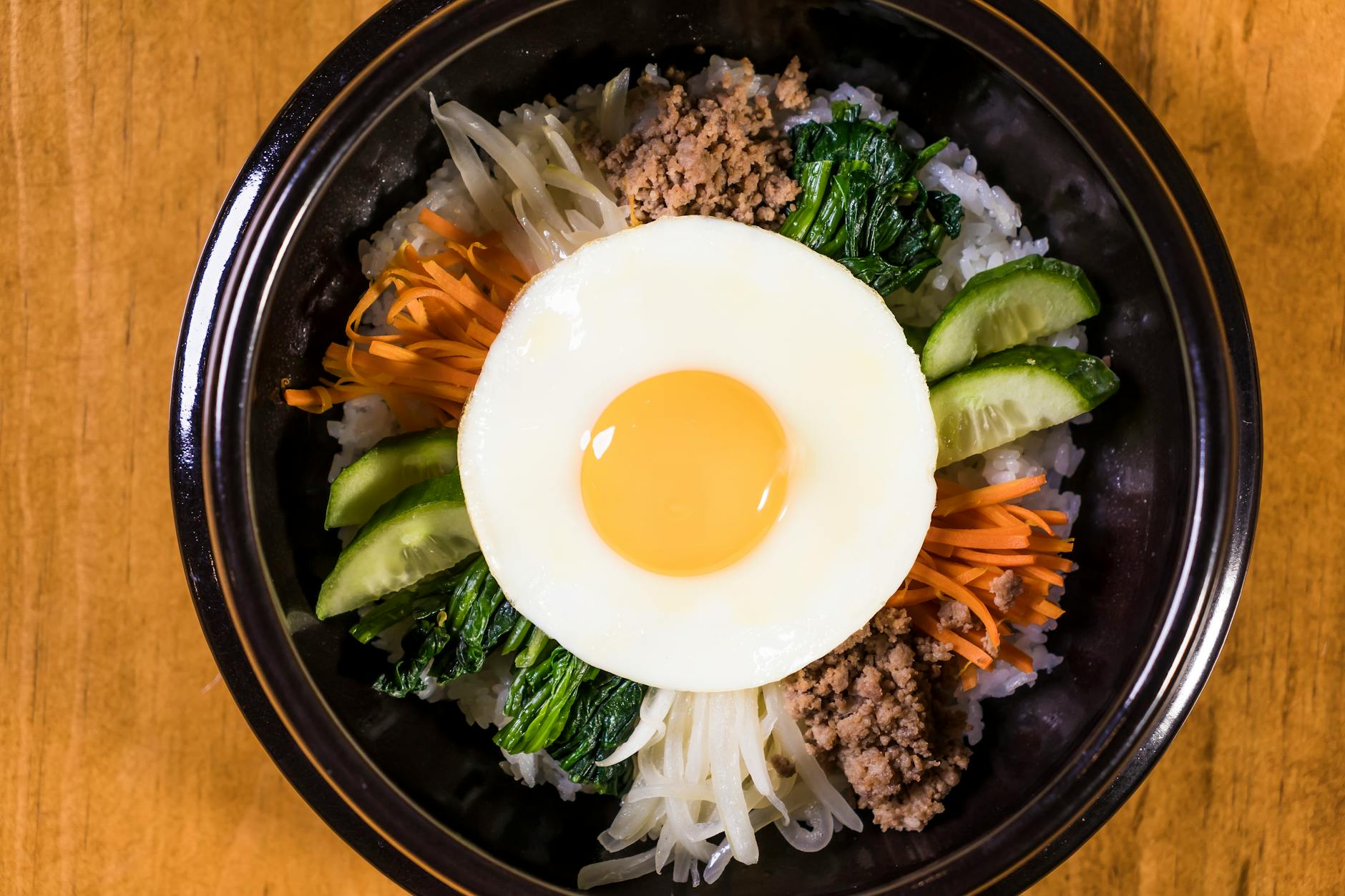
Build the Perfect Bibimbap Bowl: Korean Assembly Secrets
Bibimbap isn’t fancy dining in Seoul—it’s everyday fuel. Office workers scarf it down between meetings. Moms throw it together on busy nights. Drunk crowds devour it at pojangmacha tents past midnight. The dish makes sense: leftover veggies, some rice, maybe 10 minutes to spare. A great bowl doesn’t need secret ingredients. It’s about how the parts—namul, gochujang, that perfect fried egg—play together, and the order you layer them.
The Namul Foundation: Why Seasoning Each Vegetable Matters
Tourists treat namul like garnish. Toss some spinach here, mushrooms there, done. Wrong move. In Korean kitchens from Busan to Incheon, each vegetable gets individual attention—its own prep, seasoning, moment to shine. That’s where the real building happens, long before assembly.
Spinach gets dunked in boiling water just long enough, then hit with sesame oil, garlic, salt. Bean sprouts simmer until they lose their crunch but keep some bite. Radish? Same deal. Every vegetable absorbs its flavors completely. Because when you mix everything later, you’re not seasoning on the fly—you’re combining parts that already taste right. At Gwangjang Market, vendors prep namul in huge batches, each veggie in its own tub. They get it: these aren’t decorations. They’re the backbone.
Gochujang and Egg: The Assembly That Actually Matters
Classic rookie mistake: mixing gochujang straight into the rice. Here’s how it’s done. The fried egg crowns the assembled veggies and rice—never buried. That yolk isn’t just pretty. It’s functional. Break it, and the runny gold mixes with the gochujang dollop you left on the side, creating sauce as you eat.
Straight gochujang is too intense. Cut it with sesame oil, a pinch of sugar, garlic, and water until it’s yogurt-consistency. Some add a splash of vinegar. Locals tweak ratios based on spice tolerance, rice quantity, whatever veggies they’ve got. The egg? Whites set, yolk liquid. When you stir, that yolk emulsifies with the paste, coating every grain. That’s the magic moment.
The Actual Technique: Why Order and Heat Matter
Hot rice first. Layer namul—spinach low, mushrooms high, whatever. Make a well, drop in your gochujang mix, top with the egg. Sesame seeds? Sure. Extra oil? Go for it. Here’s the pro move: stir while everything’s still steaming. Heat wakes up the gochujang, helps it cling to rice, transforms separate parts into one cohesive dish.
Home cooks, keep it simple. Blanch spinach. Sauté mushrooms with garlic. Season both. Fry an egg. Thin your gochujang. Assemble. Stir hot. No hacks—just respect each element. Good bibimbap happens when every piece stands strong before they unite.