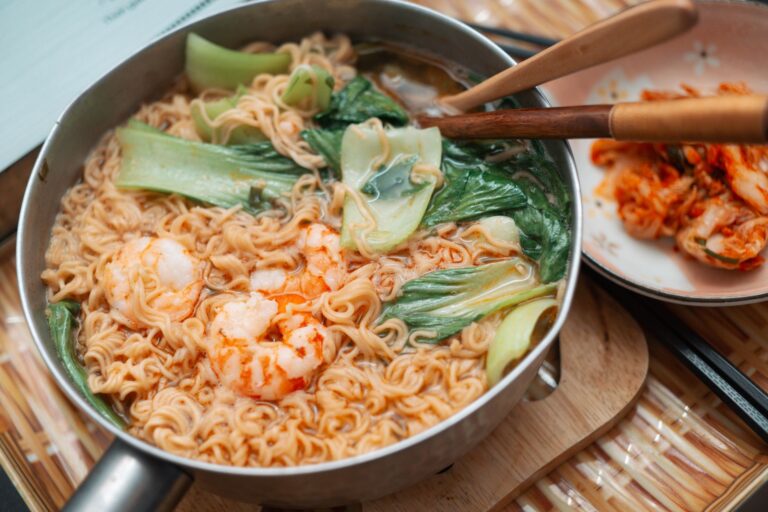
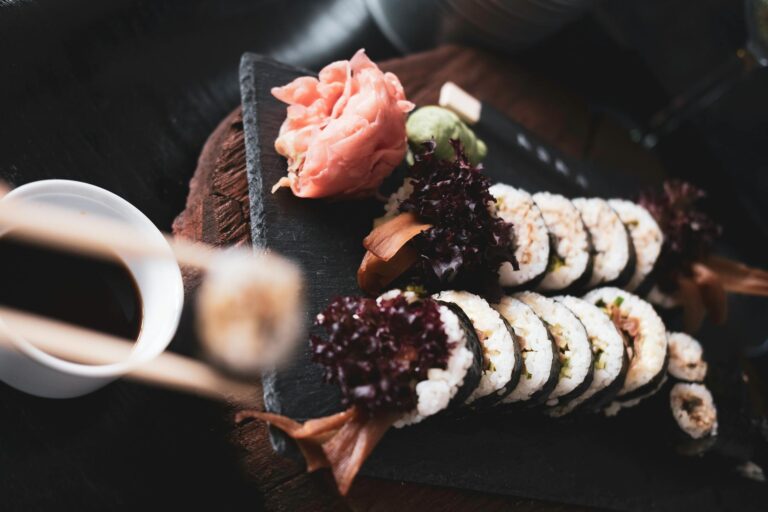
Tokyo
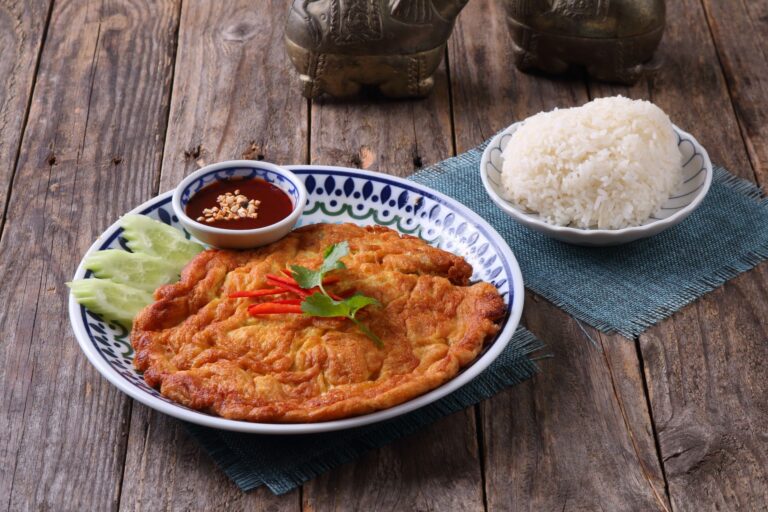
Tokyo Bangkok
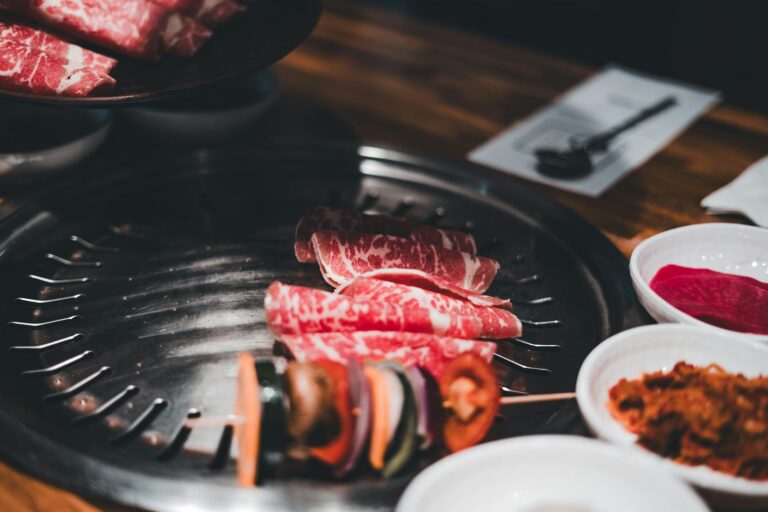
 Seoul
Seoul Singapore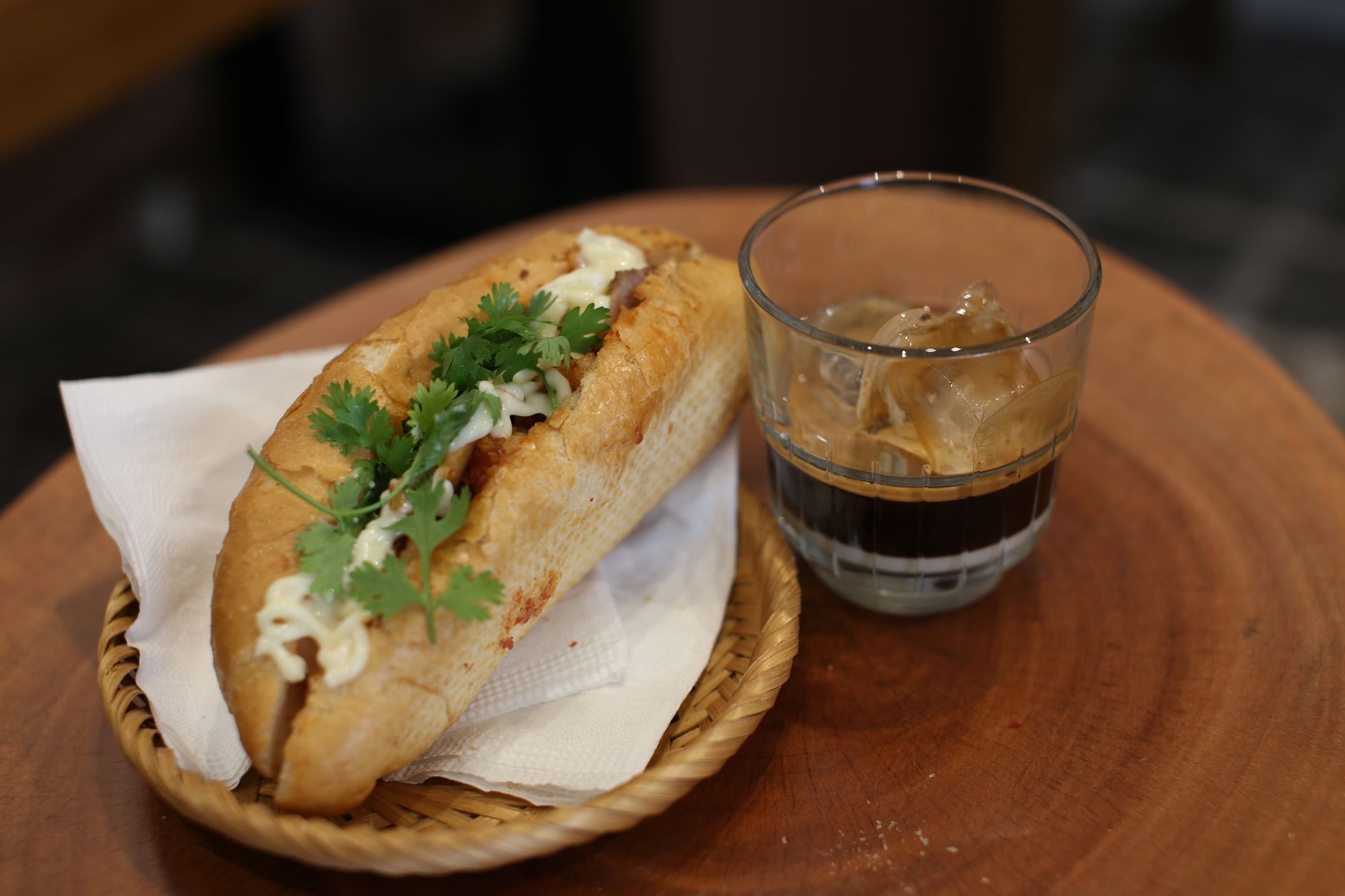
How to Make Banh Mi Bread at Home: The Vietnamese Baguette Recipe
Most home bakers mess up banh mi bread by treating it like French baguette. Big mistake. The Vietnamese version is lighter, crispier, and full of air pockets—but nailing the technique takes just one afternoon.
Why Banh Mi Bread Isn’t French Baguette (And Why You Should Care)
A good banh mi baguette has one job: hold pickled veggies, pâté, and cold cuts without crumbling, yet stay light enough to eat at lunch without feeling stuffed. French baguettes? Denser. Heavier. Vietnamese bakers use more water in the dough, ferment it cold, and shape it differently—that’s how you get those signature irregular holes.
The crust should shatter, not just crack. Inside, you want big air pockets but a delicate crumb. Bad banh mi bread is gummy, dense, or has a crust like cardboard. You’ll taste the difference immediately.
Key differences: Vietnamese dough has more water (65-70% hydration vs. 60-65% for French), ferments cold for 12-18 hours instead of at room temp, and often includes a bit of sugar and fat (lard or oil). That’s what makes the crumb soft and the crust thin.
How Vietnamese Bakeries Do It (And You Can Too)
Start simple: 500g bread flour, 325ml water, 10g salt, 5g instant yeast, 10g sugar, and 10g lard or oil. Mix flour, water, and yeast until shaggy. Rest 30 minutes. Add salt, sugar, and lard. Knead 8-10 minutes until smooth. Sticky dough? Good.
Let it rise 2-3 hours at room temp, folding every 30 minutes for the first 90. It should grow about 50%, not double. Shape into two baguettes: pre-shape, rest 15 minutes, then roll and seal. Pop them in floured bannetons or a pan, cover, and refrigerate 12-18 hours. Cold fermentation is non-negotiable—it builds flavor and makes shaping easier.
Score the tops with three diagonal slashes, ¼ inch deep. Bake at 450°F with steam (throw a pan of boiling water on the lower rack) for 25-30 minutes until golden. The crust should be so crisp it might nick your mouth—that’s how you know it’s right.
Cool completely before slicing. Seriously. Cutting too soon collapses all those air pockets you worked for.
Why Your First Try Will Fail (And How to Fix It)
You’ll probably ferment it wrong. Don’t rely on time—check the dough’s feel. After cold fermentation, it should be puffy but not collapsing. Poke it: if it springs back slowly, it’s ready. If it bounces right back, wait longer. No spring at all? Overdone.
Steam is crucial. Skip it, and the crust turns thick instead of shattering. No fancy setup? Use a Dutch oven for the first 15 minutes, then remove.
And don’t use all-purpose flour. Bread flour’s higher protein (12-14%) gives the structure those big holes need. This isn’t optional.
What to Make With It
Build a real banh mi: slice the baguette, smear pâté on one side and mayo on the other, pile on cha lua, pickled daikon and carrot, cilantro, and jalapeño. The bread should hold everything together without stealing the show—it’s just the delivery system.
Bake this once, and you’ll get why Vietnamese bakeries keep their recipes close. Make it twice, and you’ll never buy it again. Homemade blows store-bought out of the water.