Tokyo
Tokyo Bangkok
 Seoul
Seoul Singapore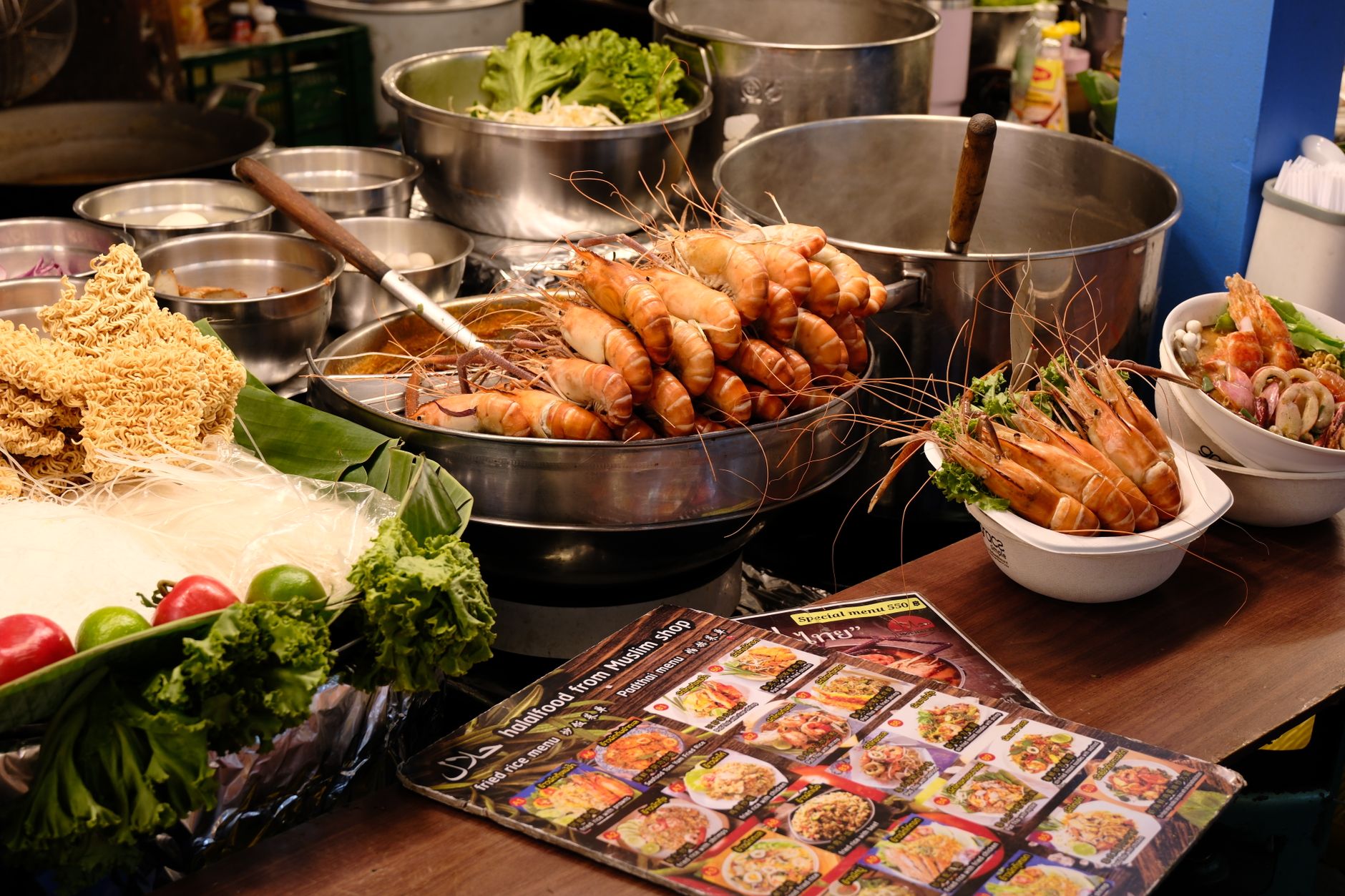
Thai Khao Tom Recipe: Street Vendor Balance at Home
A khao tom vendor at Bangkok’s Talad Rot Fai morning market worked her magic for twenty minutes before I ordered. She’d taste, tweak with lime, then fish sauce, then just a pinch of sugar—never robotic, always adapting to what the broth needed that day. That’s the secret: khao tom isn’t about strict measurements. It’s about feeling how salty, sour, sweet and spicy play off each other.
Why the Four-Taste Balance Makes Khao Tom Work
Thai food thrives on balance, and khao tom shows this best. Unlike dishes where one flavor dominates, here all four need to harmonize. Fish sauce and stock bring saltiness, but it shouldn’t overwhelm—just make you crave another spoonful. Lime juice lifts everything without turning sharp. A whisper of palm sugar softens the edges. Chilies and white pepper? They should warm, not burn.
A Chiang Mai vendor near Warorot Market put it simply: if your khao tom falls flat, you’re missing one element. Watching customers’ reactions when she nailed the balance proved her point. The broth becomes something alive—light yet satisfying, making you keep eating without realizing why.
Building Layers: Stock, Rice, and Timing
Good stock changes everything. Simmer chicken or pork bones for at least two hours—that collagen transforms the texture. For every cup of cooked jasmine rice, use about four cups of stock (though street vendors tweak this constantly).
Here’s how the pros do it: gently simmer the stock, add rice, and cook three to five minutes. No obsessive stirring like risotto. Let the rice soften naturally—you want tender grains, not mush. Add protein (chicken, pork or nothing) halfway through. A few slices of preserved radish, some garlic and ginger build depth quietly.
The Finishing Touch: Tasting and Adjusting Like a Vendor
Most home cooks rush this part. Street vendors treat it like a conversation. Quarter teaspoon of fish sauce—taste. Half teaspoon lime juice—taste again. Tiny pinch of sugar. Then pepper. Each tweak is measured and tasted before the next.
The goal? Nothing should shout. Fish sauce shouldn’t scream “I’m here!”—it should blend. Lime brightens without turning the broth sour. Sugar barely registers. When it’s right, the flavors support each other invisibly. Too salty? Add lime. Too flat? Tiny sugar boost. That Bangkok vendor wasn’t just cooking—she was conducting.
Make khao tom this way once, and you’ll get why people queue at dawn. Why they keep coming back to the same stall. It’s not just soup—it’s a quiet masterpiece.