Tokyo
Tokyo Bangkok
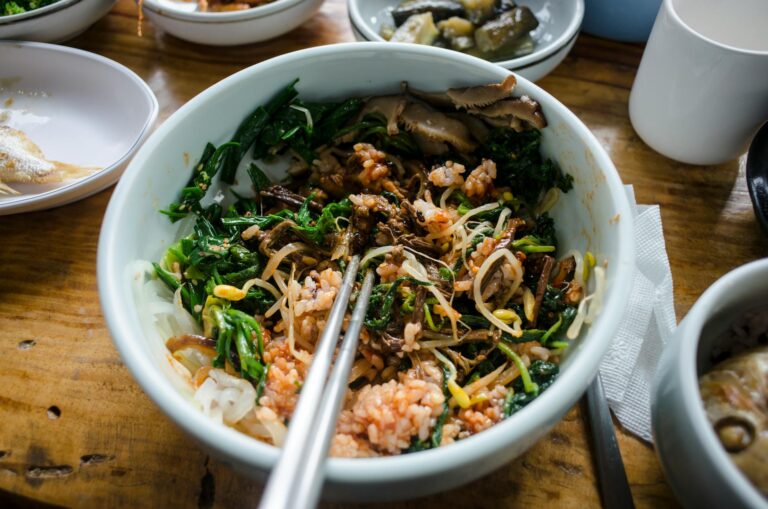
 Seoul
Seoul Singapore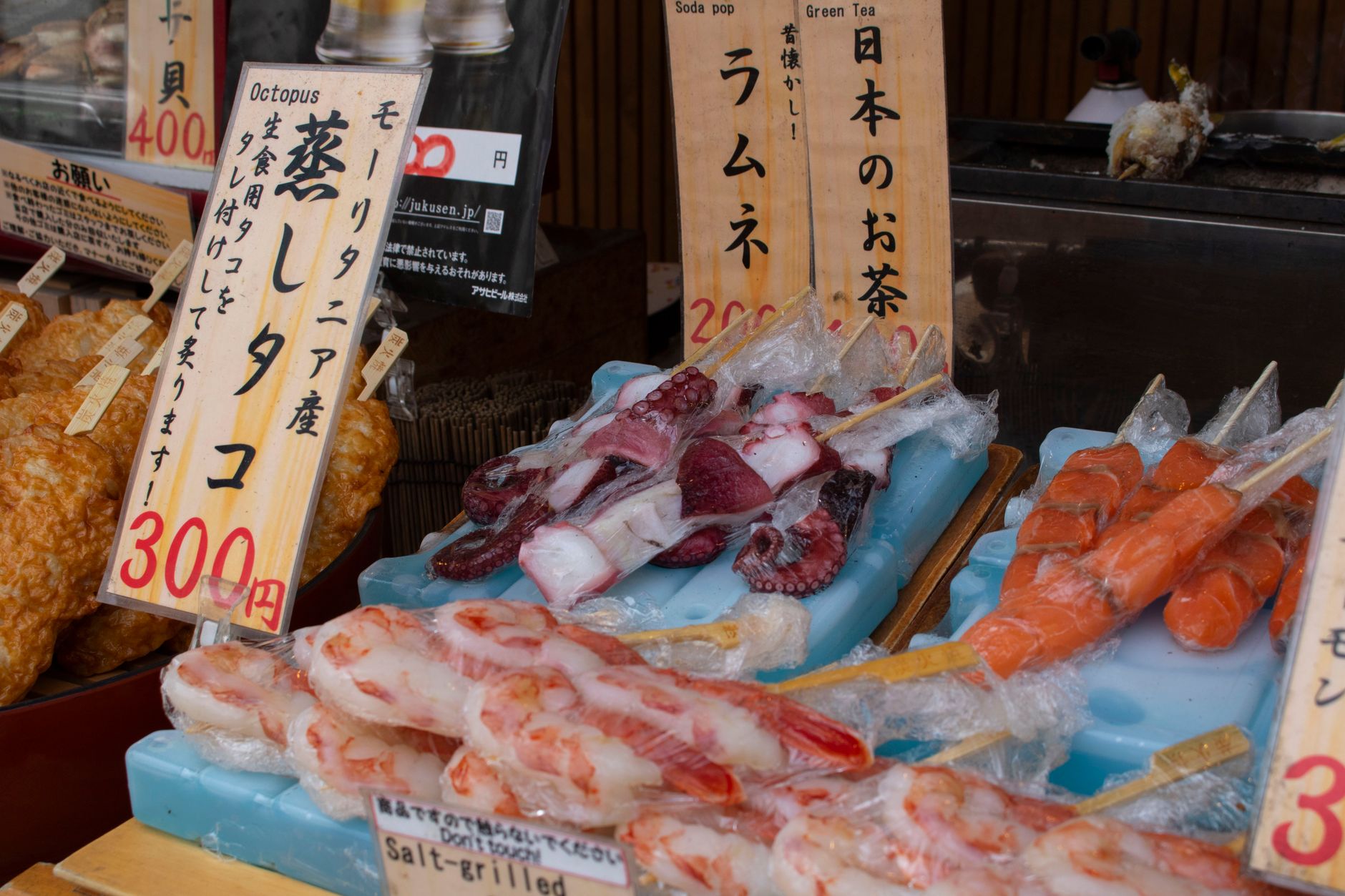
Perfect Onsen Tamago Recipe: Authentic Japanese Method
Japan’s onsen tamago isn’t some fancy dish you only find at high-end ryokans. It’s the egg you grab from a konbini at 7 AM, the one your mom boils when she’s too wiped to cook, the humble companion to your bento rice. This is real-deal everyday food—no frills, just patience and a decent thermometer.
What makes it special? That texture. The white just barely holds together, soft enough to slice with chopsticks. The yolk stays warm and custardy, oozing slightly when you break it. It’s not rocket science, but there’s one rule: you’re not boiling eggs, you’re coaxing them into setting at the exact right temp. Nail this, and you’ll see why generations of Japanese home cooks swear by the method.
The 2-Degree Difference Between Perfect and Meh
Mess up the water by even a couple degrees, and you’ll know. The sweet spot? 63-65°C (145-149°F). No wiggle room. Japanese households use cheapo 100-yen store thermometers—nothing fancy, just accurate. Here’s why it works: egg whites firm up at 63°C, but yolks won’t solidify until 70°C. Basic chemistry, perfected through routine.
Use a small pot or, better yet, a thermos—Japanese families love these for steady heat. Water at 65°C, room-temp eggs in gently, then wait 12-15 minutes (go longer for jumbo eggs). The second time’s up? Straight into cold water. No skipping this—it stops the cooking dead in its tracks.
Egg Quality Isn’t Just Hype
The recipe reads “eggs + water,” but not all eggs are equal. In Japan, cartons labeled for raw/soft eating are common—they’re fresher and safer. Brands like Kobe eggs pop up in home kitchens not for prestige, but because fresh eggs behave predictably. Cold eggs? Don’t bother. Let them sit out first for even cooking. A pinch of salt in the water won’t hurt, but the real trick is repetition: same tools, same steps, every time. That’s how Japanese cooks get it right without thinking.
How to Eat It Like a Local
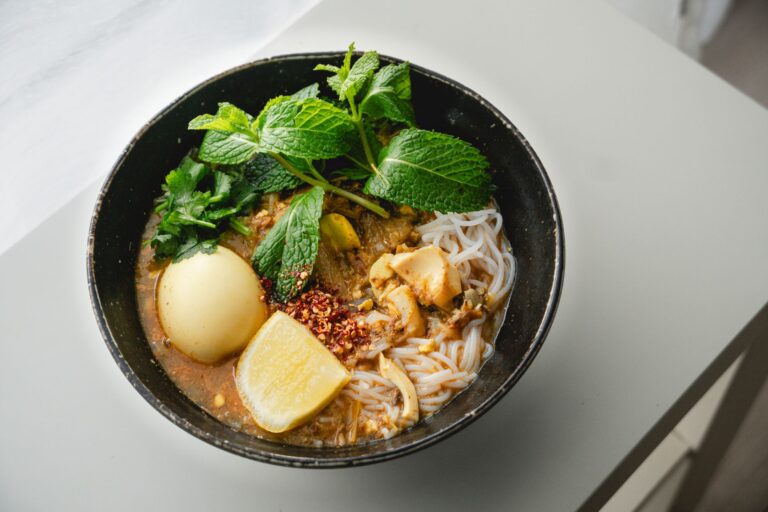
Peel them under cool water, starting at the fat end where the shell lifts easier. Serve warm (not scalding) in a small bowl with soy sauce and mirin—maybe some bonito flakes if you’re feeling fancy. Most Japanese homes keep it simple: just those two condiments. No ceremony, no fuss.
This isn’t restaurant food. It’s what you eat standing at the counter before work, or packed between rice balls in your lunch. Make it once with a decent thermometer, and you’ll get why the method hasn’t changed in decades. Simple? Yes. Rewarding? Absolutely.